What You Will Learn Today:
Learn practical ways to help your relative child explore their racial and cultural identity, build strong connections, and feel proud of every part of who they are.
Raising a relative child can bring layers to your life that you never expected, from changing family relationships and school concerns to helping a child cope with loss, change, and questions about where they belong. Supporting a child’s cultural identity can be another important part of that journey, especially when this child is of a different race, ethnicity, or cultural background than you are. Understanding racial and cultural identity in kinship care can help you create the connections, conversations, and sense of belonging your child needs as they grow into their own understanding of who they are.
Identity Is Something Your Kinship Child Develops
The good news is you don’t need to become an expert overnight. However, your kinship child needs to know that this part of who they are matters to you.
A child’s racial and cultural identity is not something adults can give them. It develops over time through family stories, relationships, community, experiences, and the child’s own growing understanding of themselves.
Your relative child’s questions may also change as they grow. An upper elementary student may begin noticing differences between their family and their classmates’ families. A teenager may question where they belong or feel pressure to choose one part of their identity. A young adult may explore their culture more deeply after entering college, work, or a new community.
Try not to decide what their identity should look like. Instead, create the safety, opportunities, and support they need to explore it.
Practice saying things that will tell them you are a safe, open-hearted space:
- “You never have to choose one part of yourself over another.”
- “It’s okay if you are still figuring out what this means to you.”
- “I may not have every answer, but I want to learn with you.”
- “You can always talk with me about race, culture, or belonging.”
Another free resource for supporting kids of another race or culture in your home!
5 Tips to Move Beyond Food, Festivals, and Books
Cultural celebrations, traditional foods, books, music, movies, and holidays can be meaningful elements of a child’s racial or cultural identity. They are “soft on-ramps” to introduce a child to the important people, stories, and traditions of their family origins. However, culture should not feel like something your family visits only during a special month or event.
1. Let their interests lead.
Look for ways your child can experience their culture in everyday life. This might include attending a culturally connected church or community group, learning how to care for their hair or skin, visiting cultural organizations, following artists and leaders from their racial group, or spending time in places where people look like them.
Pay attention to what sparks your relative child’s interest. One child may want to learn a family recipe. Another may be interested in language, music, history, clothing, faith, or current events. A teenager may want to connect with peers who share their background. Follow their lead without placing the full responsibility on them.
2. Build relationships with racial and cultural mirrors.
Children benefit from having “racial mirrors,” that is, people who share their racial or cultural identity and can reflect a positive, full picture of who they can become.
Look honestly at the people in your child’s daily life:
- Are there safe adults (teachers, coaches, doctors, counselors, faith leaders, neighbors, etc.) who share the child’s identity?
- Who are their closest friends in school?
- Are you in relationships with other families who share your relative child’s culture or ethnicity?
- Is your child often the only person of their race in a classroom, activity, or community setting?
Seek genuine relationships rather than brief contact with someone you expect to teach your child everything about their culture. A trusted mentor can be valuable, but they should not carry the whole responsibility for your child’s identity development. Your job is to keep learning, stay involved, and build a broader community where your child feels known and included.
3. Preserve safe family and cultural connections for this child.
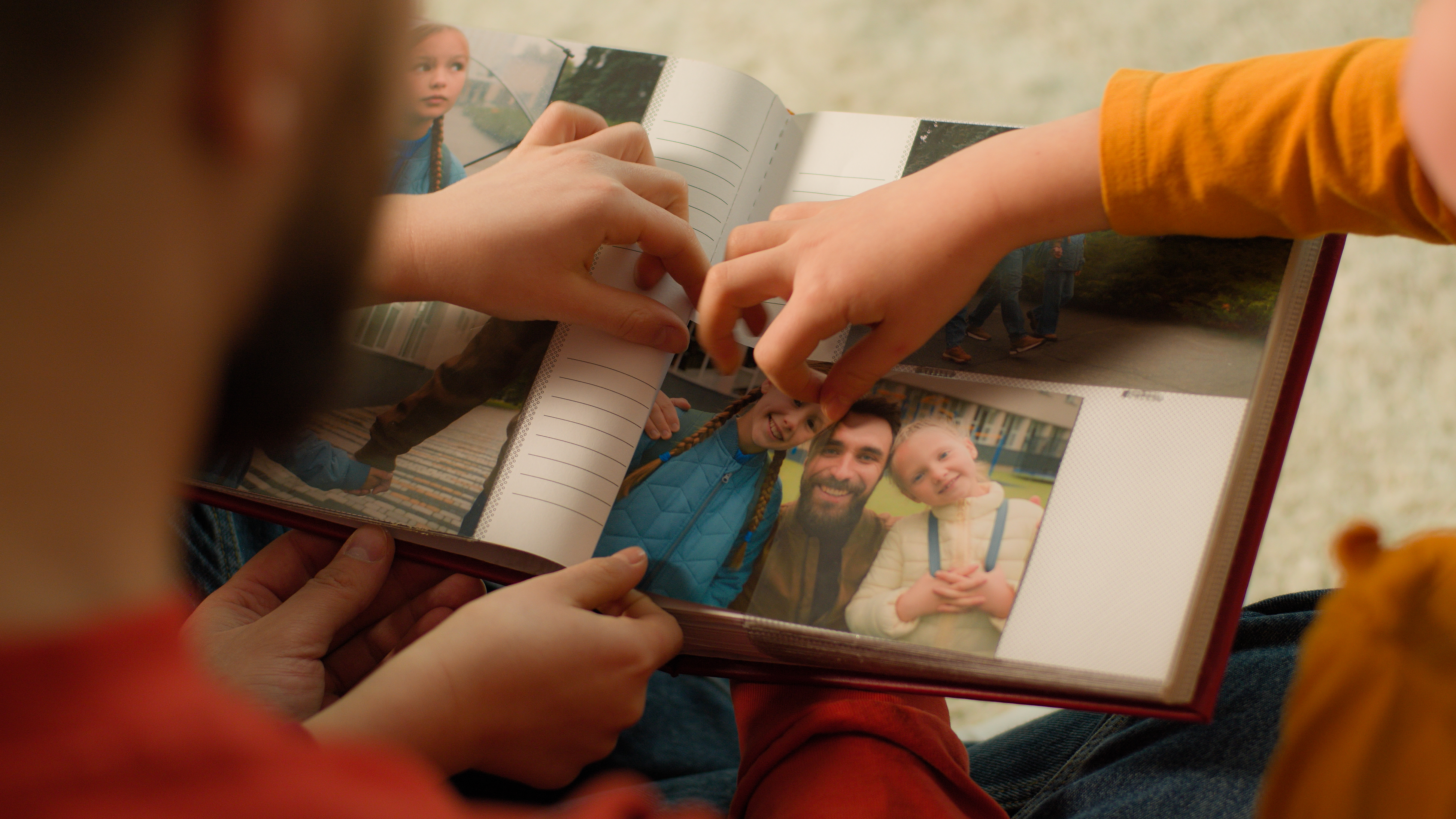
Kinship caregivers often hold important pieces of a child’s history. You may know family stories, names, recipes, traditions, places, and people that help the child understand where they come from.
At the same time, family relationships may be complicated. Contact with a parent or relative may need boundaries because of unsafe behavior, substance use, mental health concerns, or ongoing conflict. Supporting a child’s identity does not mean ignoring safety concerns.
When direct contact is not safe, look for other ways to preserve the child’s story:
- Save photographs and the child’s parents’ mementos.
- Write down family memories.
- Create a visual family tree.
- Record relatives telling stories.
- Stay connected with safe members of the child’s other family or cultural community.
Be careful about how you speak about the child’s parents and relatives. A child may hear criticism of their parent as criticism of themselves, especially when they share that parent’s race, appearance, culture, or personality. You can tell the truth about harmful choices without shaming the person or the child’s connection to them.
4. Make room for the inevitable hard conversations.
A color-blind approach, or saying, “I don’t see race,” can leave any child of color or of a different race feeling that an important part of them is unseen. Children also need words for understanding racism, stereotypes, bias, and unfair treatment.
When your relative child tells you about a racial comment or experience, begin by listening. Do not rush to explain it away or decide that the other person “probably didn’t mean it that way.”
Communicate that you hear and see them by saying:
- “I believe you.”
- “That should not have happened.”
- “How did it make you feel?”
- “What would help you feel supported?”
- “Would you like me to step in, or do you want us to decide together what to do?”
Your response may involve talking with a teacher, coach, employer, or college staff member. As children grow, include them in deciding how you will advocate. They need to know you have their back while also giving them a voice in what happens next.

5. Be willing to learn and to make mistakes.
You may worry that you will say the wrong thing. That fear can make relative caregivers avoid talking about race or culture altogether. Silence, however, can teach a child that these topics are too uncomfortable to bring to you.
You will not handle every moment perfectly. That’s okay! What matters is showing this child that you are open to correction and willing to keep learning. Read and listen to people who share your child’s identity. Learn about your own racial and cultural background, including the beliefs or biases you may have absorbed. Ask trusted adults for guidance, but don’t expect your child to be your teacher.
When you make a mistake, repair it: “I realize I did not listen well earlier. I’m sorry. I want to understand what you were trying to tell me.”
Stay Curious as Your Kinship Child Grows
Identity development is not a task this child completes by a certain age. A young person may feel strongly connected to one part of their identity now and explore another part later. They may use different words to describe themselves as they learn more or internalize parts of their story.
Your role is not to direct their journey. It is to provide a safe base from which they can explore.
Keep asking gentle questions, widening your family’s community, and showing your kinship child that every part of their story belongs. Your willingness to learn, listen, and stand beside them can help them grow into a secure sense of who they are—and confidence that they do not have to figure it out alone.
Image Credits: SabrinaBracher - https://app.envato.com/photos/91113d01-9d87-4546-827f-1a022b083a9d; jm_video - https://app.envato.com/photos/1ed614f6-e87f-4cb6-bae0-73110663e22a; YuriArcursPeopleimages - https://app.envato.com/photos/945e3208-421f-421f-87b1-60310f32f362
Add Your Comment