
If You Only Have a Minute:
Sibling conflict is often about more than toys or taking turns—especially for children who have experienced trauma, loss, or major life changes. Stay calm, focus on safety first, coach emotional skills after everyone has calmed down, and make time to connect individually with each child. Remember: conflict is normal, but fear, intimidation, or repeated aggression needs adult intervention and additional support.
If your children seem to argue from the moment they wake up until they fall asleep, you’re not alone. Sibling conflict is common in every family, but it can look very different in adoptive, foster, and kinship families. Children who have experienced trauma, loss, grief, or disrupted relationships may bring survival behaviors into their sibling relationships that can make healthy relationships feel much more challenging than you expected. Understanding why siblings fight and learning practical ways to help siblings get along can make your home feel calmer and help your children build healthier, more trusting relationships.
Conflict Is Normal. Constant Conflict Is a Signal.
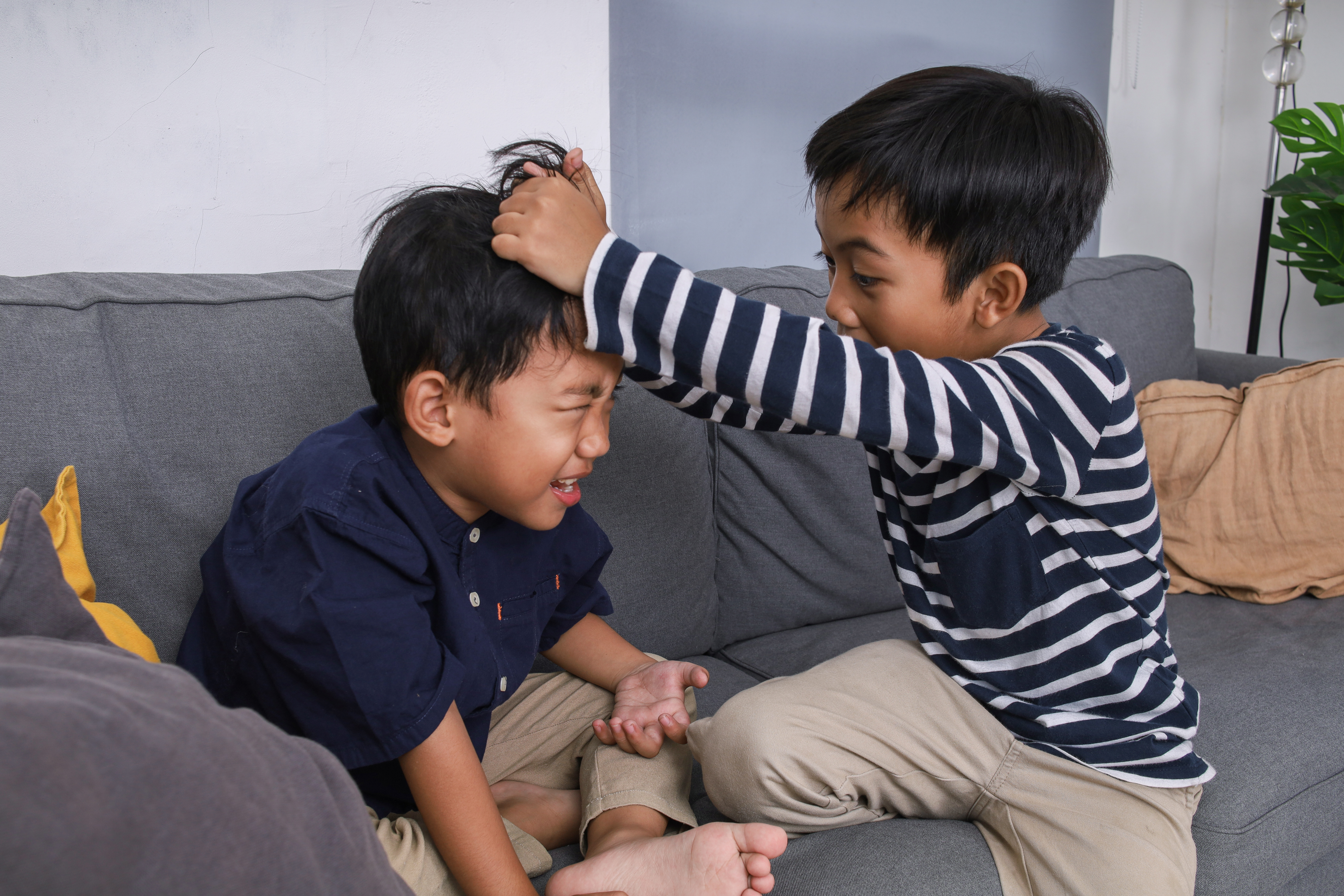
Most siblings argue over toys, space, fairness, or attention. Those disagreements can teach valuable skills like compromise, empathy, and problem-solving.
But for children who have experienced adversity, conflict often has deeper roots. A child who once had to compete for food, attention, or safety may see everyday situations as threats. Another child may become controlling because they spent years caring for younger siblings. One child may withdraw while another lashes out.
What looks like “bad behavior” is often a child communicating, “I don’t feel safe,” or “I’m afraid there’s not enough love, attention, or security for me.”
That doesn’t mean aggressive or hurtful behavior should be ignored. It means we respond with both empathy and clear boundaries.
Subscribe to our FREE monthly newsletter and choose your FREE downloadable guide!
Why Sibling Conflict Can Be More Intense
Each adopted, foster, or kinship child enters our families with their own history, temperament, and experiences. Even siblings who lived through the same events often experienced them differently.
Some common reasons conflict becomes more intense include:
- Competition for your attention or reassurance.
- Grief over changes in family relationships.
- Different trauma responses, such as fight, flight, freeze, or control.
- Parentification, which occurs when an older sibling has spent years caring for younger children.
- Jealousy occurs when one child appears to receive more support or accommodations than another.
- Stress from adjusting to a new home, school, or family routine.
When we understand what’s driving the behavior, we’re better able to coach rather than react.
How Can We Help Improve the Sibling Conflict in Our Homes?
1. See each child as an individual.
It can be tempting to think of siblings, especially those placed together, as a package. But each child has unique strengths, needs, worries, and memories.
Try to avoid comparing the siblings or assigning labels like “the responsible one,” “the difficult one,” or “the helper.” Those roles can become surprisingly hard for our children to leave behind.
Instead, look for opportunities to build an individual relationship with each child. One-on-one time, even 10 or 15 minutes, sends a powerful message: “I see you. You matter to me.“
Children who already lived in your home before a sibling joined the family need this reassurance, too. They may love their new sibling deeply while also feeling confused, overwhelmed, or like they’ve lost time with you. Those feelings deserve compassion, not guilt.
2. Coach the skills they need.
Children aren’t born knowing how to manage disappointment, frustration, or conflict. Those skills are learned through repeated practice with a calm adult nearby.
When conflict happens, consider these steps:
- Stay calm. Your regulation helps your children regulate.
- Separate children if emotions become too big for productive problem-solving.
- Focus on safety first, teaching second.
- Help children identify what they were feeling underneath the behavior.
- Encourage them to practice listening, taking turns speaking, and repairing relationships after conflict.
Don’t expect your children to solve problems together while they’re dysregulated and overwhelmed. Wait until everyone is calm enough to learn.
3. Reduce competition before it starts.
Many sibling arguments begin long before anyone raises their voice. You can pre-emptively lower the temperature by creating a sense of predictability throughout the day to help build the relationships you hope to see more often.
- Keep routines as consistent as possible.
- Give each child regular individual attention.
- Celebrate each child’s unique strengths instead of comparing them.
- Avoid asking children to compete for rewards, praise, or your attention.
- Notice and comment when siblings cooperate or show kindness.
When Conflict Becomes Sibling Harm
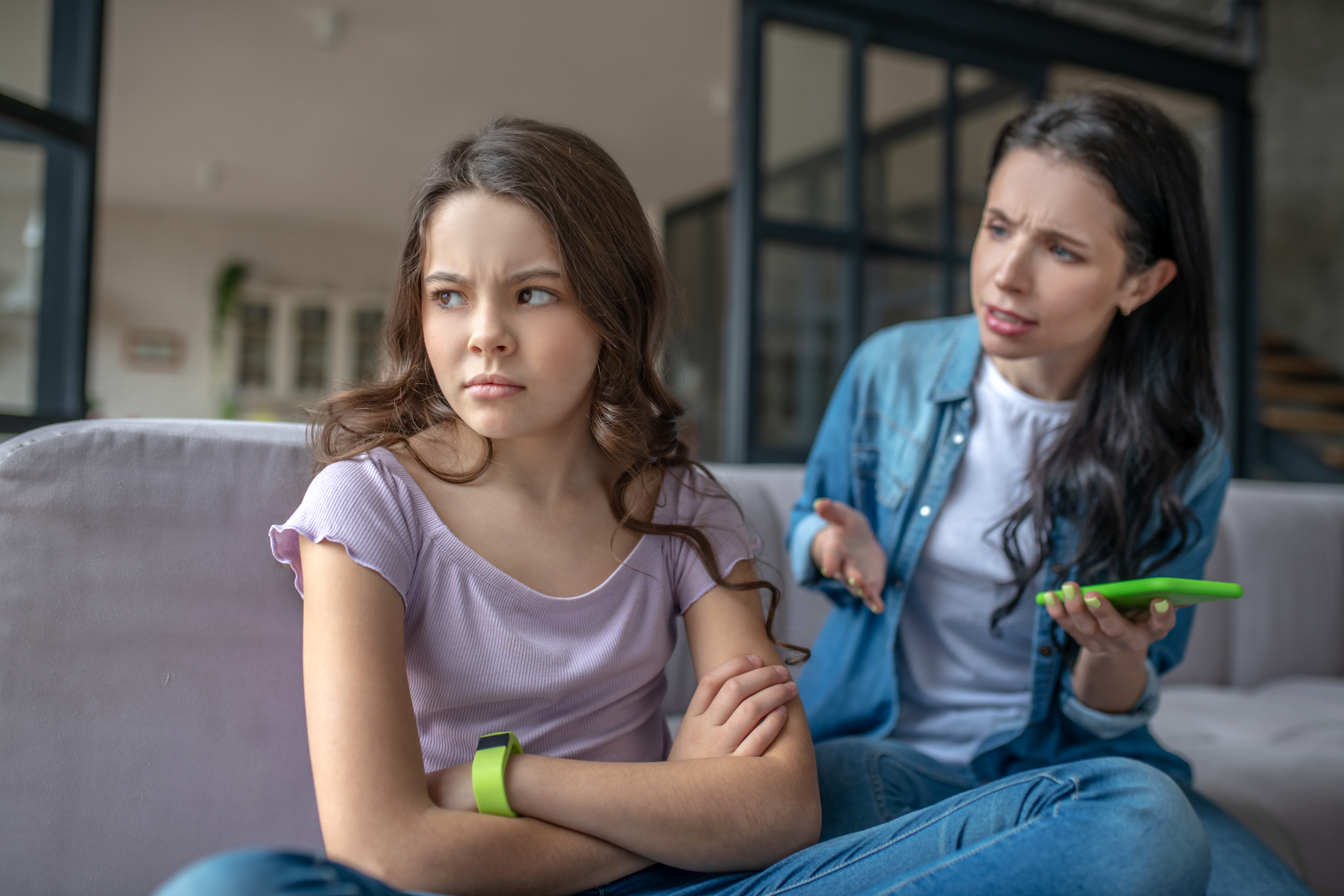
Not every disagreement is typical sibling conflict. For example, if one child consistently intimidates, controls, threatens, humiliates, or physically hurts another, the situation needs immediate adult intervention. Children should never be expected to “work it out themselves” when someone feels unsafe.
If you’re seeing repeated aggression, coercion, or fear between siblings, you should consider the following actions:
- Supervise interactions more closely.
- Separate children when needed to keep everyone safe.
- Develop a safety plan if recommended by your child’s therapist.
- Seek support from a trauma-informed mental health professional.
Protecting everyone in your home isn’t choosing sides. It’s one of the most important ways we build trust with all of our children.
Take Care of Yourself, Too
Living with ongoing sibling conflict is exhausting. Many caregivers begin wondering whether they’re doing something wrong. But we hope it helps to know that you’re probably not.
Helping children heal from trauma while learning new ways to relate to one another is slow work. There will be good days and hard days. Find ways to care well for yourself so you are fueled and nourished to navigate this work.
Lean on your support system. Accept help when it’s offered. Stay connected with other adoptive, foster, and kinship caregivers who understand what you’re experiencing.
Most importantly, remember that your goal isn’t to eliminate every disagreement. It’s to help your children feel safe enough to learn healthier ways of solving problems together. With patience, consistency, and support, sibling relationships can become one of the greatest sources of connection and healing in a child’s life.
Image Credits: cksstockphoto - https://app.envato.com/photos/87ecdcc1-4c20-4763-914b-5e3ed7de09c8; Garakta-Studio - https://app.envato.com/photos/aadd2270-540f-40d6-82e7-e2aa0121a9e1; Zinkevych_D - https://app.envato.com/photos/1cfd0f02-253c-42a7-944e-e49522f4efd8
Add Your Comment