
Raising a child who’s not your own, whether it’s a grandchild, niece or nephew, or younger sibling, may be one of the most courageous things a person can do. You probably didn’t plan for this chapter. And maybe it came after loss, addiction, or crisis. But here you are, stepping up with love, grit, and a deep desire to give this child a better shot.
Still, let’s be real: it’s hard.
One of the best things you can do for this child, and yourself, is to surround them with other caring, trusted adults. Finding a mentor for your relative child won’t replace your role. Instead, they are here to walk alongside you, offering a steady, supportive presence, fresh perspectives, and real-life examples of healthy, thriving adulthood.
Why Mentors Matter
When a child has experienced instability, it often shows up in subtle—and not so subtle—ways. They may carry grief, act out in school, shut down emotionally, or cling tightly to routines and relationships. If they came to you because their parents struggled with substance use, mental illness, or other challenges, they may not have had many stable, trustworthy adults in their early years.
That’s where mentors come in.
They’re like “bonus adults”—people who care, who listen, and who model what a good, healthy life looks like. They don’t have to be perfect. They just must be consistent and kind.
Here are some of the most significant ways mentors can help your grandparent-led or relative caregiving family.
Kids Need More Than One Anchor
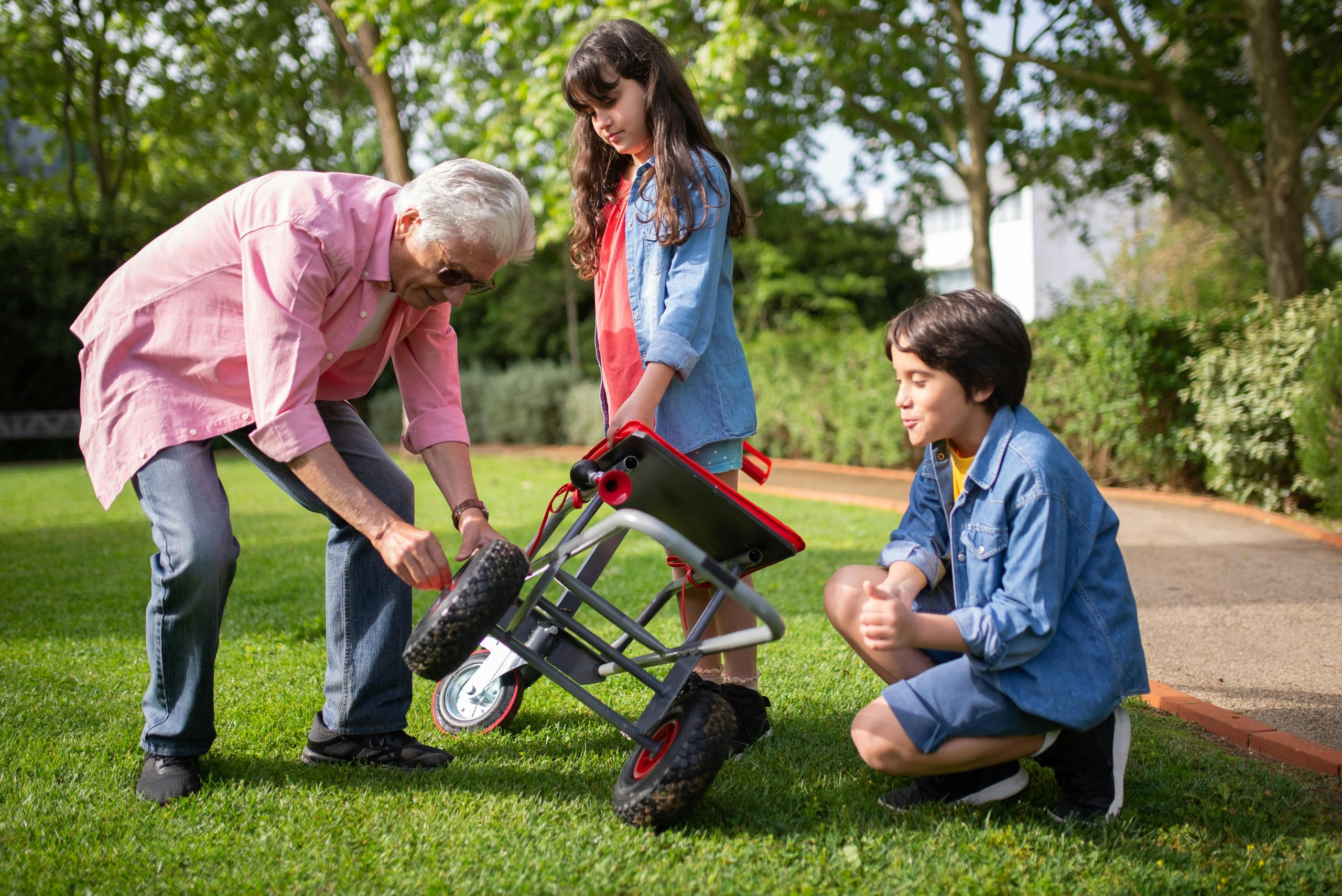
As the primary caregiver, you’re already doing a great deal. You’re their rock. But even rocks can crack under pressure. Whether you need someone to help with homework, be a sounding board for your child, or offer a fresh perspective, adding another safe adult to your circles means someone else has your back.
For example, an older sister raising her little brother asks a retired neighbor to help him with reading after school. What starts as tutoring turns into a trusted relationship. Now, this boy won’t just gain crucial reading support. He also has a safe place to talk openly and has one more adult cheering him on.
Mentors Expand Kids’ Vision for the Future
Let’s be honest. It’s challenging for kids to dream big when they haven’t seen examples of what they might become. If they’ve only known chaos or disappointment, it can be hard to imagine anything else. Mentors help open their eyes to other options for their futures.
Whether it’s a mechanic who loves his job, an aunt who runs her own baking business, or a college student who overcame tough odds, giving your grandkids a chance to see real people succeed will make their goals feel reachable.
Try this practical tip: Ask a local business owner, tradesperson, or community leader if your relative child could shadow them for a day or have a monthly “career talk.” It’s easier than you think, and many people enjoy sharing their time and expertise!
Mentors Can Say the Same Thing You Say—but They Get Heard
It’s frustrating, but it’s true. Sometimes (often?) kids tune out the people closest to them. But a trusted mentor might say the same thing you’ve said, and suddenly it clicks.
One of our online community members shared an account of how this happened in their own house. They’ve been raising their teenage nephew for several years. “He ignored everything my husband and I said about college. Then his basketball coach brought it up, and now he’s researching scholarships.”
Yes, it’s frustrating. But it’s also the magic of mentors!
Creating and Cultivating Attachment for Kinship Families
They Offer a Safe Space and a Positive Influence
Many of the kids we are raising have been around adults who were unpredictable, emotionally unavailable, or unsafe. Mentors can offer a different experience to counter the challenges your grandchild or nephew has experienced thus far. They can build a relationship with an adult who is calm, consistent, and caring without strings attached.
These safe spaces help our kids relax, ask big questions, and slowly rebuild trust in adults. Over time, that consistent presence teaches them that not all grown-ups let you down.
Think about connecting this child with a community sports team, arts program, or youth group where positive adults are actively involved. Or invite a trusted adult over for regular meals, walks, or game nights.
Mentors Give YOU Breathing Room
You’re human. You get tired. You may be juggling health concerns, job stress, or other family responsibilities. Having mentors in the mix gives you a break without sacrificing this child’s care. Even something as simple as a monthly “mentor night” where this child goes to dinner or a movie with their mentor can be a game-changer. It’s okay to need help. It’s smart.
Where to Find Mentors
The good news is that safe, reliable mentors aren’t unicorns! They are much more accessible than that. And you can find them in many places. The key is to look for people who are kind, trustworthy, and consistently available to support this child. They don’t have to be superheroes, just real people with good hearts.
Here are some great places to start:
- Extended family – a responsible cousin, aunt, or adult sibling could be an excellent influence.
- Neighbors – someone who’s lived in your community for years may be thrilled to help.
- Churches, temples, mosques, or other spiritual communities – many have youth programs or supportive volunteers.
- Schools – teachers, coaches, or school staff often notice strengths in your child and may be open to a mentoring role.
- After-school programs or nonprofits – from local youth organizations, such as Boys & Girls Clubs, Big Brother/Big Sister programs, or community scouting groups.
- Your circles – Is there someone you admire and trust? Ask if they’d be open to getting to know your child in a mentoring capacity.
Navigating Challenging Behaviors: Practical Strategies for Families
How to Help Mentoring Relationships Thrive
Getting a mentor involved with your kinship child is just the start. Here’s how to keep it going in a way that helps everyone:
1. Be Clear About Expectations.
Let potential mentors know what you’re hoping for—whether it’s academic support, emotional guidance, cultural connection, or just a regular hangout buddy. They’ll appreciate the clarity.
2. Stay in the Loop.
Check in occasionally to see how things are going. Ask your child how they feel about the time spent with their mentor. Keep it low-pressure but maintain space for honest conversations.
3. Let the Child Take the Lead
Don’t force a connection. Some kids warm up right away, others take time. Offer gentle encouragement and stay open to adjusting the match if it’s not working.
4. Show Gratitude.
Say thank you—often. Let mentors know how much you and your child appreciate their presence. Teach your child to express thanks, too, even if it starts a little awkward or scripted.

Mentoring Supports and Benefits You All!
You weren’t meant to do this alone. Whether you’re a grandparent, older sibling, or aunt or uncle raising a relative child, you are already doing significant and consuming work. But we all need support. And so do our kids.
Mentors can help our kids heal. They help them grow. And they give you the backup you need to keep going strong. Start small by asking someone you’re comfortable with and who feels safe for your family. Build an extending circle of support around you all. Then watch this child bloom in ways you couldn’t have imagined on your own.
They may call you “Grandma,” “Uncle,” or “Big Sis,” but the connections you forge and the love you give still have the power to change their whole story. You’re doing something sacred. And you shouldn’t do it alone.
Image Credits: Kaboompics.com; Kampus Production; Ron Lach
This article beautifully highlights the transformative power of mentors in kinship care families. The relatable examples and practical tips make it easy to see how adding a trusted bonus adult can provide crucial support and open new horizons for children facing adversity. Highly insightful and empowering!
Thank you for your kind words and encouragement.