
Key Takeaways in This Article:
• Children thrive when caring, dependable men are actively involved in their lives.
• Men strengthen foster, adoptive, and kinship families as caregivers, mentors, and advocates.
• Welcoming and supporting male caregivers benefits children, families, and communities.
Children thrive when they have adults in their lives who offer emotional safety, encouragement, and consistency. In adoption, foster care, and kinship caregiving, men can play an important role in providing that support. Fathers, grandfathers, uncles, brothers, foster dads, mentors, coaches, and family friends all have the power to shape a child’s life positively.
Children Need Caring Adults Who Show Up
Many caregiving spaces still unintentionally send the message that nurturing children is mainly women’s work. When men are overlooked, children and families miss out on valuable relationships and support systems.
We can all play a role in intentionally welcoming, celebrating, and supporting the ways men care for children.
Free Guide to Parenting a Child Exposed to Trauma
Men bring important strengths to caregiving.
Recent conversations in the child welfare field have highlighted the importance of engaging fathers, grandfathers, uncles, and other male caregivers more intentionally. Experts emphasize that children benefit when they experience safe, dependable relationships with caring men who are emotionally present and involved.
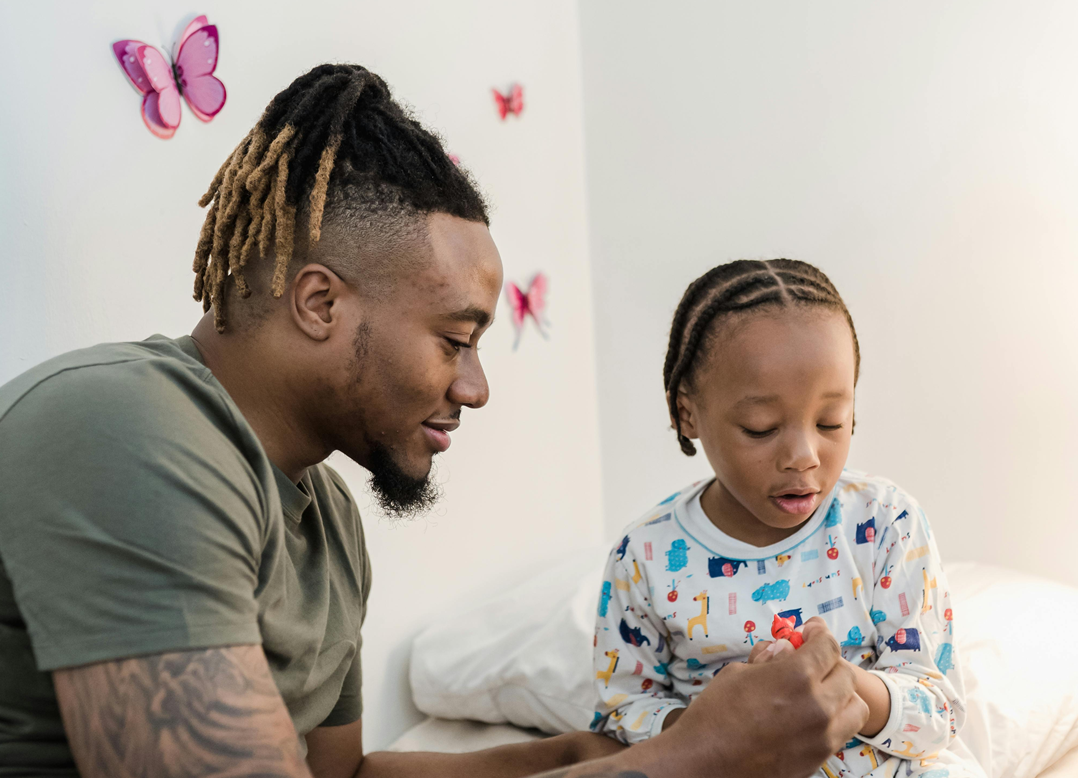
Men bring many different strengths to caregiving. Some offer calm problem-solving during stressful moments. Others create opportunities for connection through play, humor, routine, or shared activities. Many will model perseverance, emotional growth, and healthy relationships.
Children benefit not from perfection, but from consistency, trust, and care from the safe adult men around them.
Positive male relationships help children heal.
Safe, nurturing care from the men around them is especially important for children who have experienced trauma, loss, separation, or instability. Foster and kinship care often involve major disruptions in relationships and routines. Positive adult connections can help children build resilience and feel more secure.
Research consistently shows that stable, caring relationships are one of the strongest protective factors for children who have experienced adversity.
For some children, a relationship with a positive male role model may also help reshape their understanding of what safe masculinity looks like. Many youth in care have experienced inconsistent or harmful adult relationships. Having a trustworthy man who listens, keeps promises, and shows respect can help expand a child’s sense of safety and possibility.
Male Role Models Matter in Many Different Families
Male caregivers are also important for children who may not currently have an actively involved father in their lives. Of course, we know this does not mean women cannot successfully parent alone. Many single mothers, grandmothers, aunts, and female caregivers provide extraordinary homes for children. But surrounding our kids with supportive male relationships can add layers of connection and community. When those relationships are healthy and dependable, they learn that both men and women can be safe, reliable, and nurturing.
Importantly, men do not need to fit a single image of a caregiver to be valuable caregivers. There is no single “right” way to nurture a child. Some men are naturally playful and energetic. Others are quiet listeners. Some lead with structure and routine, while others focus on emotional connection.
Our children benefit from seeing many different examples of caring, emotionally healthy men:
- Coaches, Scout leaders, club directors
- Teachers, principals, counselors
- Family friends and relatives
- Faith or community leaders
- Community service workers (caseworkers, police, fire department, EMS, etc.)
- And so many more!
Men Need to Feel Welcomed and Included
Despite the value men bring, many of them report feeling uncertain about entering caregiving spaces. Some worry that support groups, schools, medical settings, or child welfare systems will not welcome them or their input. Others may feel isolated, unsure where they fit, or uncertain of their own value in these relationships.
Professionals working with foster and kinship families have found that men are more likely to stay engaged when they feel intentionally included and respected. Peer support from other male caregivers can also make a meaningful difference.
Communities and organizations can help by using more inclusive language and imagery, inviting men directly into conversations, and recognizing caregiving as a shared responsibility.
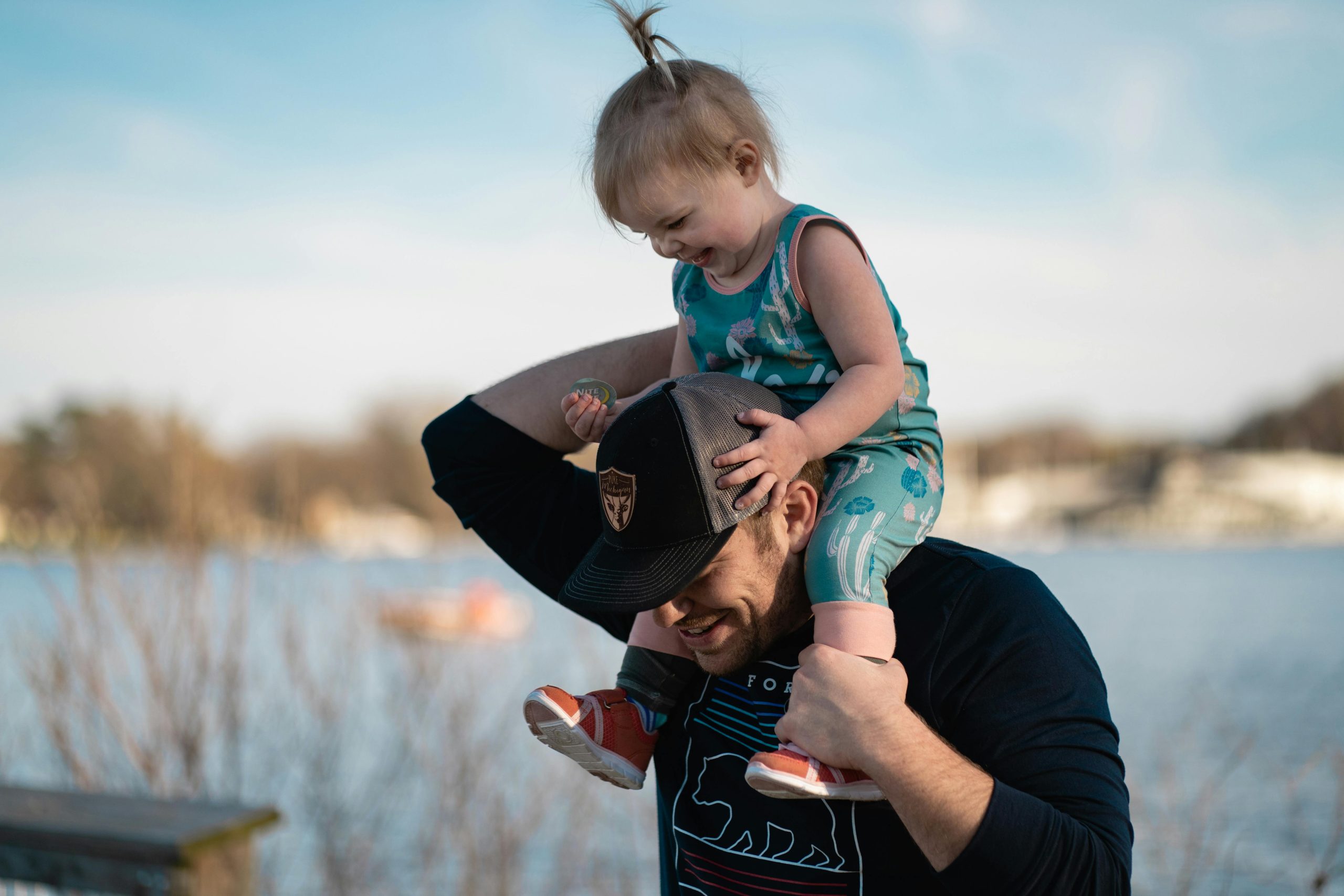
Small changes can create more inclusive spaces for men.
Simple changes matter:
- Parenting classes can include examples that reflect fathers and male caregivers.
- Support groups can actively welcome men’s participation.
- Professionals can make eye contact with fathers and male relatives and include them in decision-making conversations.
- Female parents and caregivers can intentionally seek the safe, reliable men in their children’s lives to join their caregiving.
Normalizing men as caregivers benefits everyone. Children gain more support. Families become more resilient. And communities become stronger when caregiving is viewed as valuable work for all genders.
Research and advocacy groups have increasingly emphasized that caregiving should not be limited by outdated stereotypes about masculinity, nurturing, or parental roles.
Showing Up Matters Most
Children do not need superheroes. They need caring adults who are present, patient, and willing to keep showing up. When we make space for men to fully participate as caregivers, mentors, advocates, and nurturers, we strengthen not only families but also the larger community around them.
So HAPPY FATHER’S DAY to the men who show up, dig in, and bring their strengths and the willingness to grow to their roles of raising kids in the adoption, foster, and kinship caregiving spaces! We honor you this week.
Image Credits: Kampus Production - https://www.pexels.com/photo/a-boy-wearing-a-denim-top-playing-chess-7799572/; Mizuno K - https://www.pexels.com/photo/father-and-daughter-in-bedroom-12788213/; Josh Willink - https://www.pexels.com/photo/smiling-man-carrying-baby-on-his-neck-2274162/
Add Your Comment