ADHD, Autism, and Learning Differences
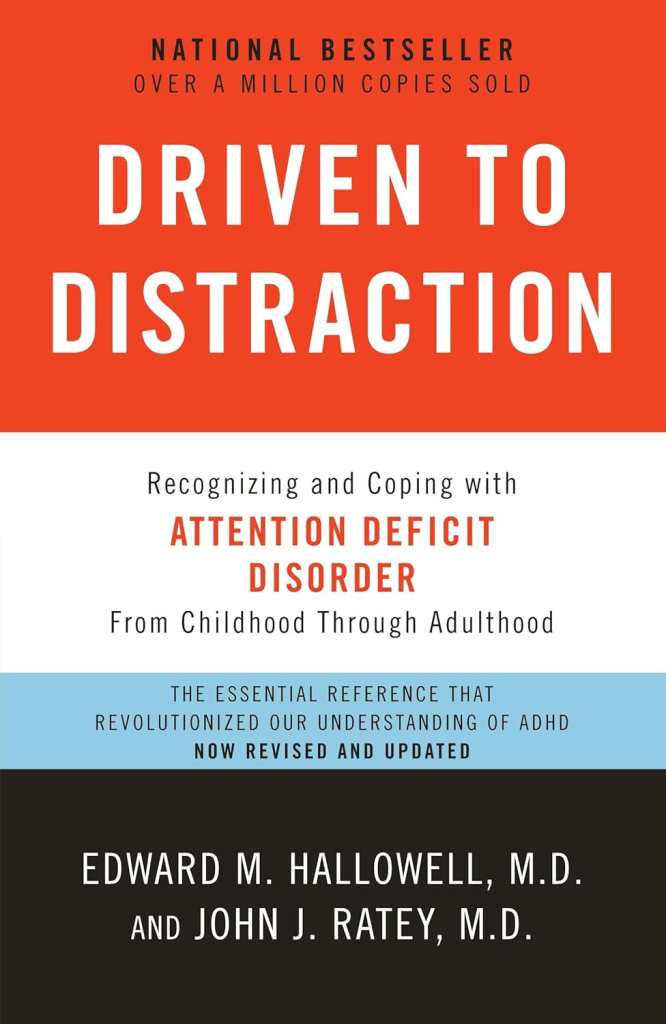
Driven to Distraction: Recognizing and Coping with Attention Deficit Disorder from Childhood Through Adulthood
Driven to Distraction is a landmark book on ADHD that helps parents understand its many forms—from hyperactivity to daydreaming—while debunking common myths. It offers practical tools for coping, explains treatment options, and emphasizes that ADHD is not a life sentence. Instead, it highlights the positives often linked to ADHD, including creativity, intuition, energy, and enthusiasm. A must-read for parents, this book provides both hope and concrete strategies for supporting children with ADHD at home and at school.
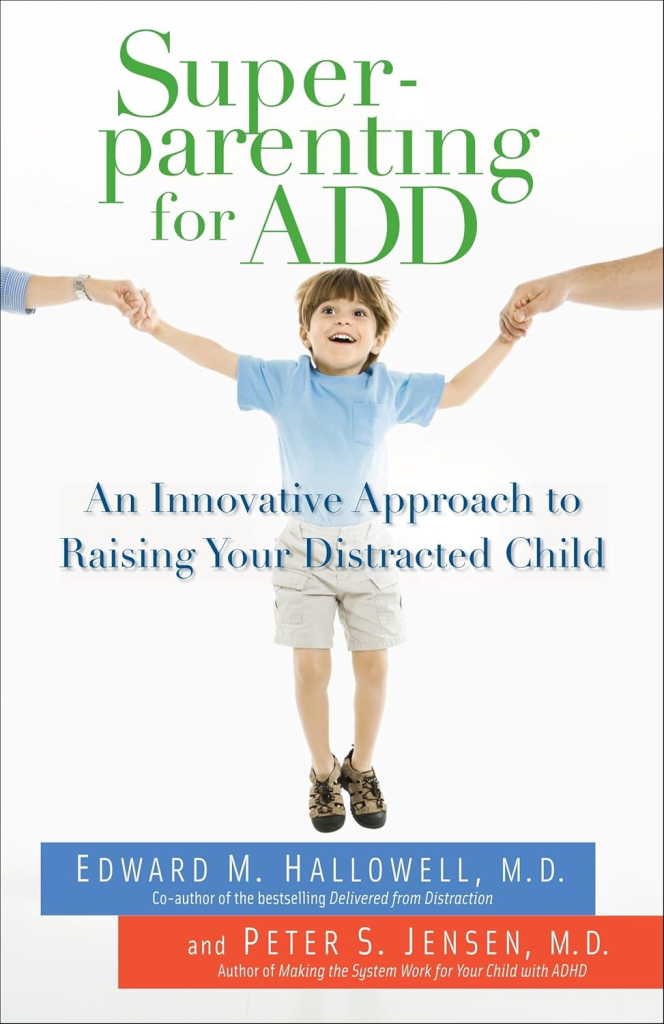
Superparenting for ADD: An Innovating Approach to Raising Your Distracted Child
Superparenting for ADD by Dr. Edward Hallowell builds on his classic Driven to Distraction by shifting the focus to parenting strategies. This practical guide equips parents with tools to create a supportive environment where children with ADD can thrive. Emphasizing unconditional love, celebrating strengths, and encouraging safe risk-taking, Hallowell outlines a game plan that helps kids grow in confidence and resilience. More than a manual, it’s an empowering resource that highlights the joy and potential in every child.
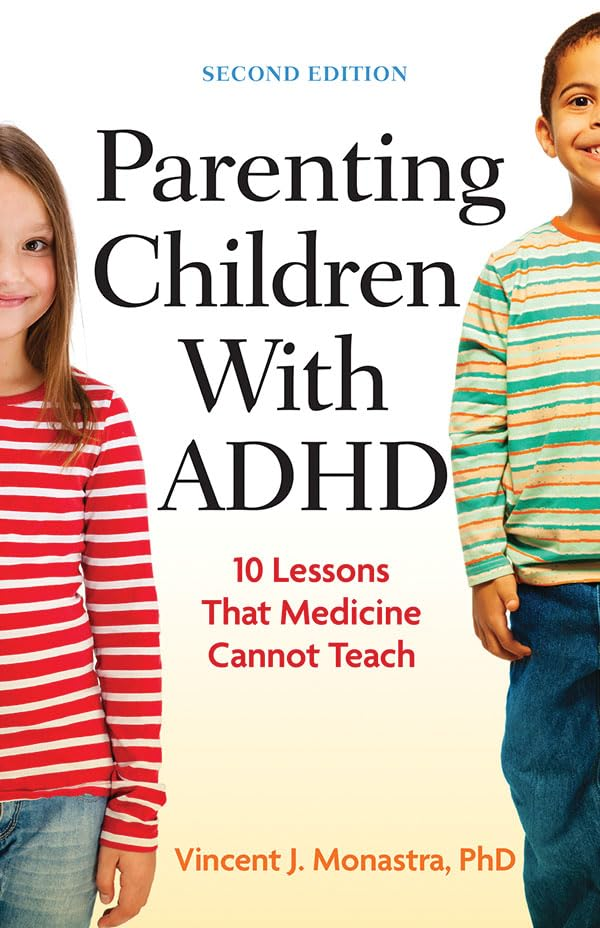
Parenting Children with ADHD: 10 Lessons That Medicine Cannot Teach
Parenting Children with ADHD by Dr. Vincent Monastra is a practical guide for caregivers navigating the challenges of raising a child with ADHD. Covering everything from psychological treatment and diet to educational rights and school advocacy, it equips parents with tools to improve attention, behavior, and social skills. With clear advice on evaluations, working with schools, and managing treatment options—including medication—this book helps parents become strong advocates while supporting their child’s growth and success at home and beyond.
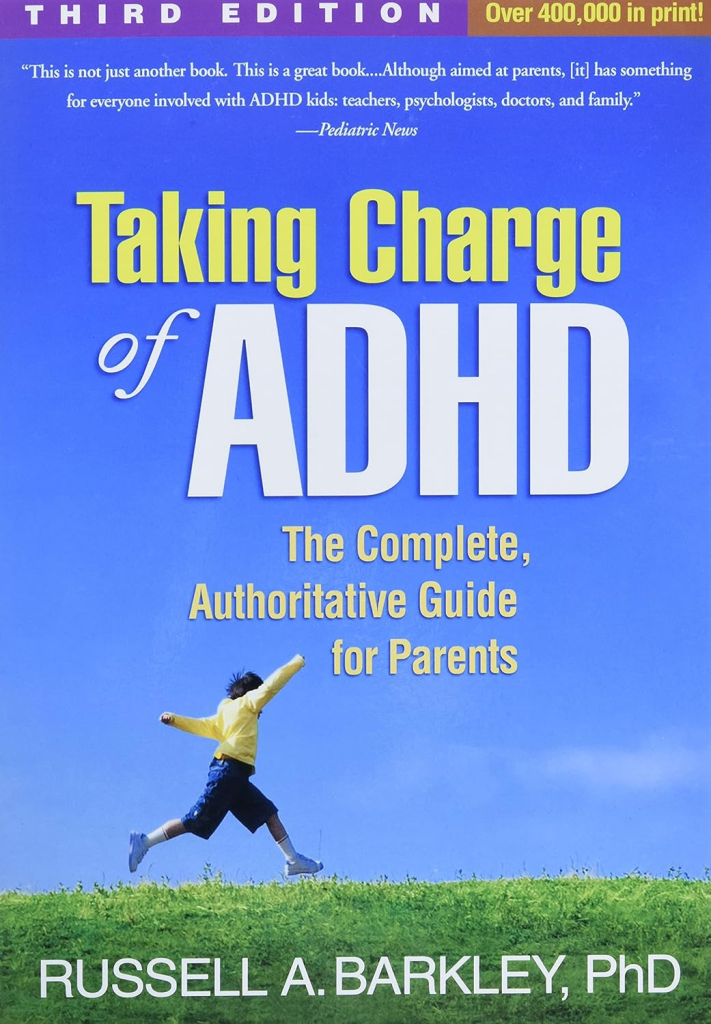
Taking Charge of ADHD: The Complete, Authoritative Guide for Parents
Now in its fourth edition, Taking Charge of ADHD is a trusted guide for parents raising children ages 6–18 with ADHD. Dr. Russell Barkley explains the latest science about ADHD and treatment options, while also offering a step-by-step, eight-part behavior management plan that families can put into practice right away. Packed with practical tips, encouragement, and clear guidance, this book helps parents better understand ADHD and confidently support their child’s growth, learning, and success at home and school.
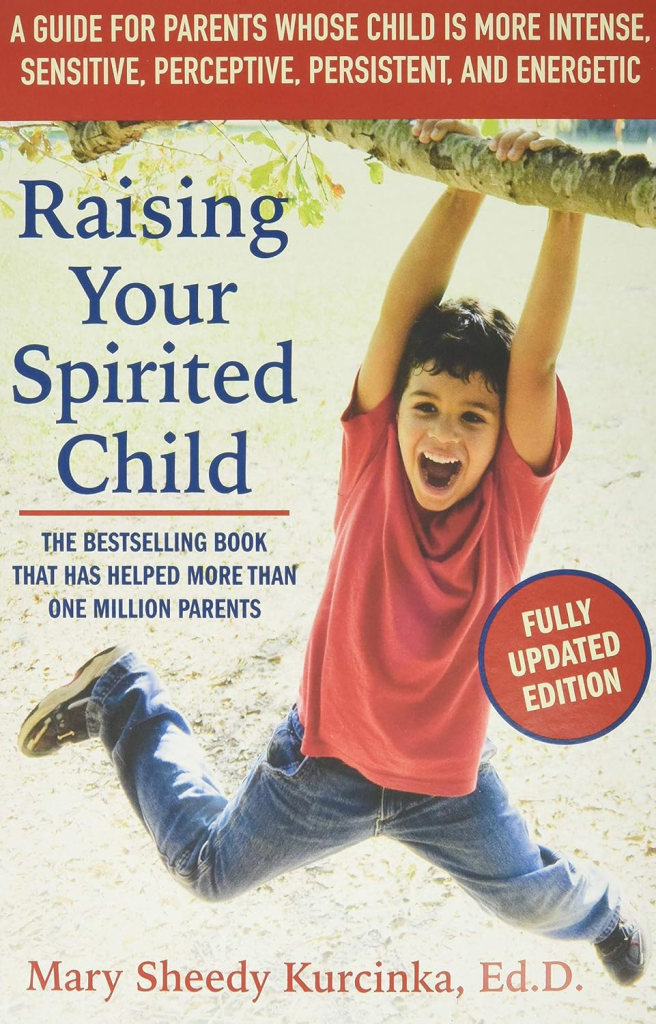
Raising Your Spirited Child: A Guide for Parents Whose Child is More Intense, Sensitive, Persistent, and Energetic
Raising Your Spirited Child by Mary Sheedy Kurcinka is a compassionate, practical guide for parents of strong-willed children—including those with ADHD-like traits. With real-life examples and a positive approach, it helps parents reframe “difficult” behaviors as spirited traits, while offering a simple four-step plan to handle daily challenges. From tantrums and blowups to mealtimes, bedtimes, holidays, and school struggles, this book equips parents with strategies to better understand their child—and themselves—while fostering calmer, more connected family life.
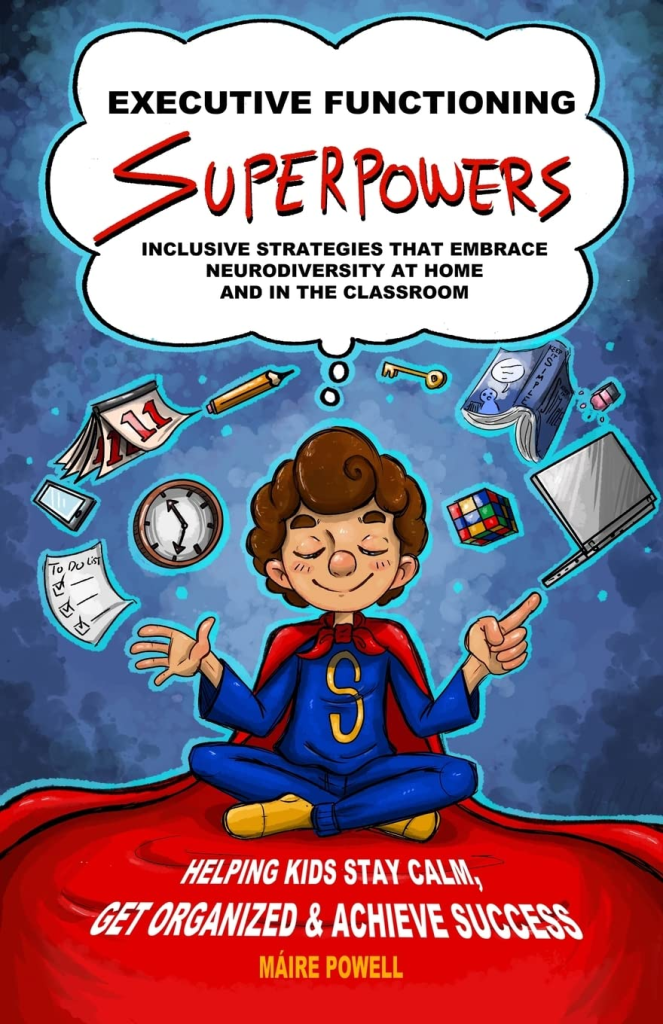
Executive Functioning Superpowers: Inclusive Strategies That Embrace Neurodiversity at Home and in the Classroom
Executive functioning skills—like organization, focus, and task completion—are essential for learning and daily life, yet many neurodivergent kids struggle with them. This parent- and teacher-friendly guide explains executive dysfunction and offers practical strategies to build independence and reduce stress. Engaging games, activities, apps, and resources help children strengthen these skills in fun and approachable ways. Especially useful for kids with ADHD, autism, or prenatal substance exposure, it’s a supportive tool for families and educators alike.
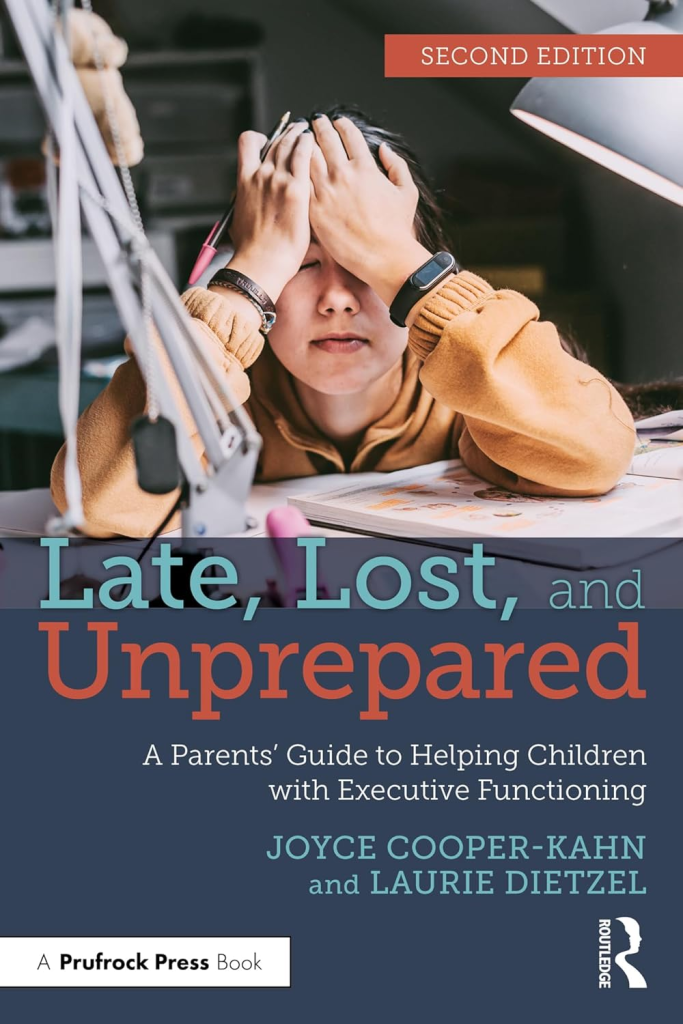
Late, Lost and Unprepared: A Parents’ Guide to Helping Children with Executive Functioning
Written by clinical child psychologist Dr. Joyce Cooper-Kahn, this book addresses ADHD, executive functioning challenges, and learning disabilities in children and teens. It guides parents from the diagnostic process to everyday support, offering practical tools and strategies to help kids strengthen skills like planning, organization, time management, and impulse control—or develop workarounds when those skills don’t come easily. A clear, compassionate resource for families navigating executive functioning struggles.
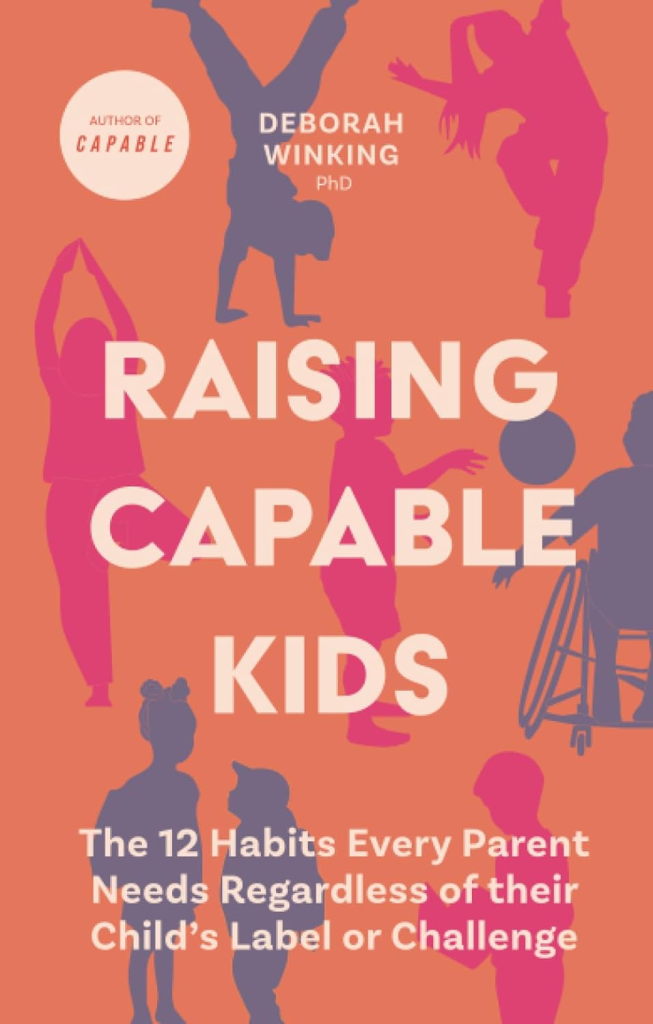
Raising Capable Kids
This empowering book helps parents move beyond labels to raise children as strong, capable, and curious individuals—regardless of diagnosis. Centered on 12 key habits, it covers setting expectations, advocating for fair treatment, creating safe challenges, and helping kids build a narrative of strength. Blending neuroscience, real-life stories, and practical activities, it equips families to support and celebrate their extraordinary children. A game-changing guide for parents seeking to nurture resilience and success in every child.
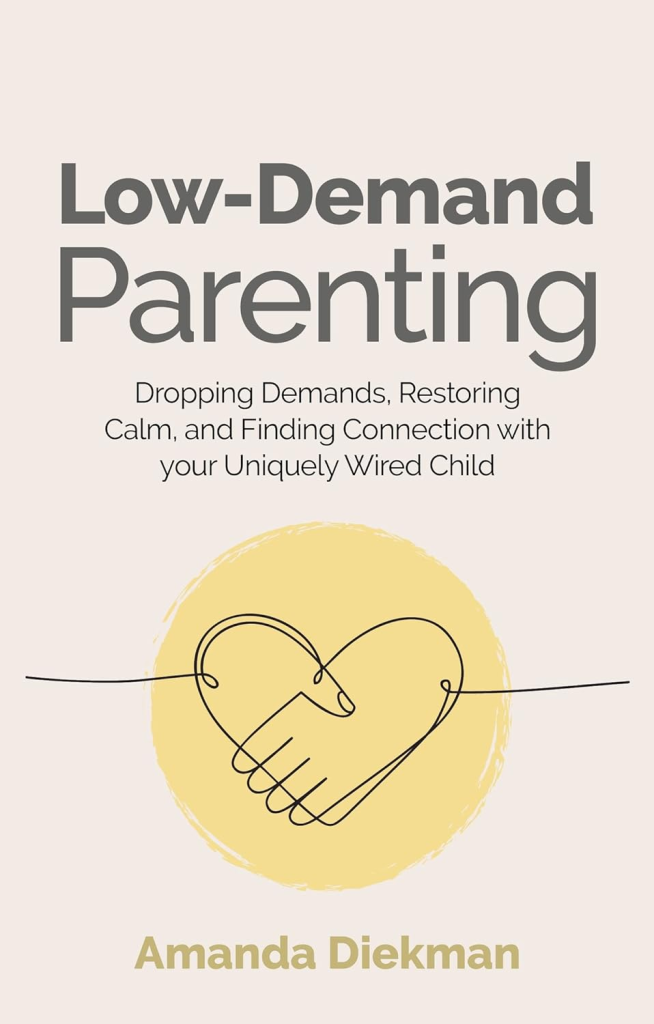
Low-Demand Parenting
Low-Demand Parenting by Amanda Diekman, an autistic adult and parent of neurodivergent children, introduces a radically accepting approach that lowers expectations and restores balance at home. By identifying both obvious and hidden demands, parents can learn to reduce stress, ease anxiety, and create more joyful family life. With step-by-step strategies, scripts, and practical tools, Diekman offers a compassionate guide that helps families thrive by meeting children exactly where they are, rather than pushing them to fit expectations.
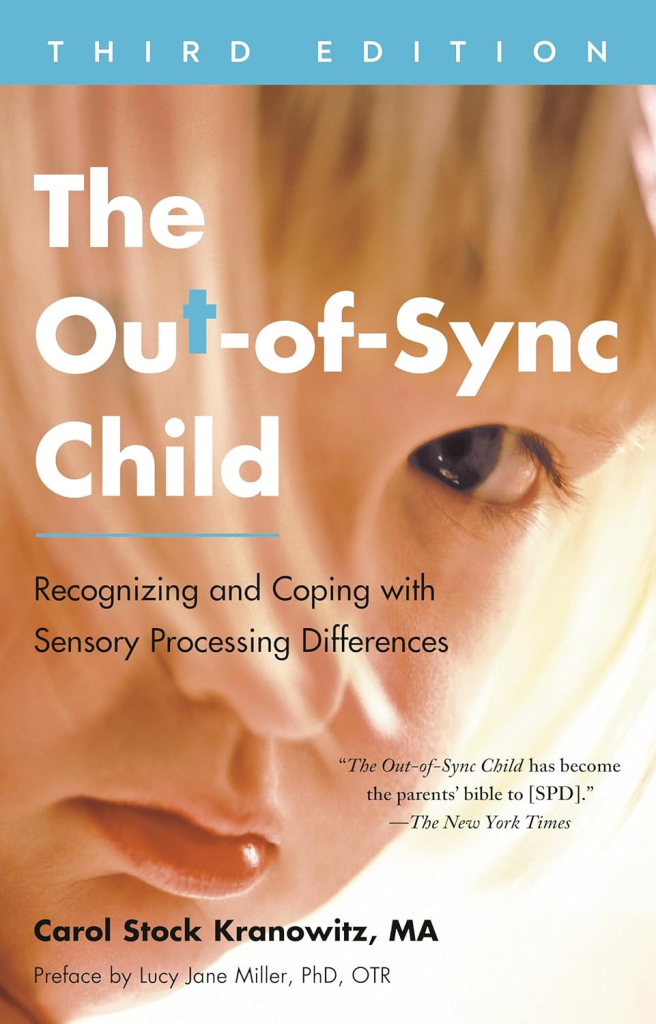
The Out-of-Sync Child: Recognizing and Coping with Sensory Processing Differences
Many children who’ve experienced trauma, including prenatal substance exposure, also struggle with sensory processing differences (SPD), where the nervous system misreads sensory input. This book explains SPD, helps parents distinguish it from look-alike diagnoses, and offers drug-free strategies to support children who may be over- or under-responsive to sights, sounds, touch, and more. A hopeful, practical resource for understanding and helping kids with sensory challenges.
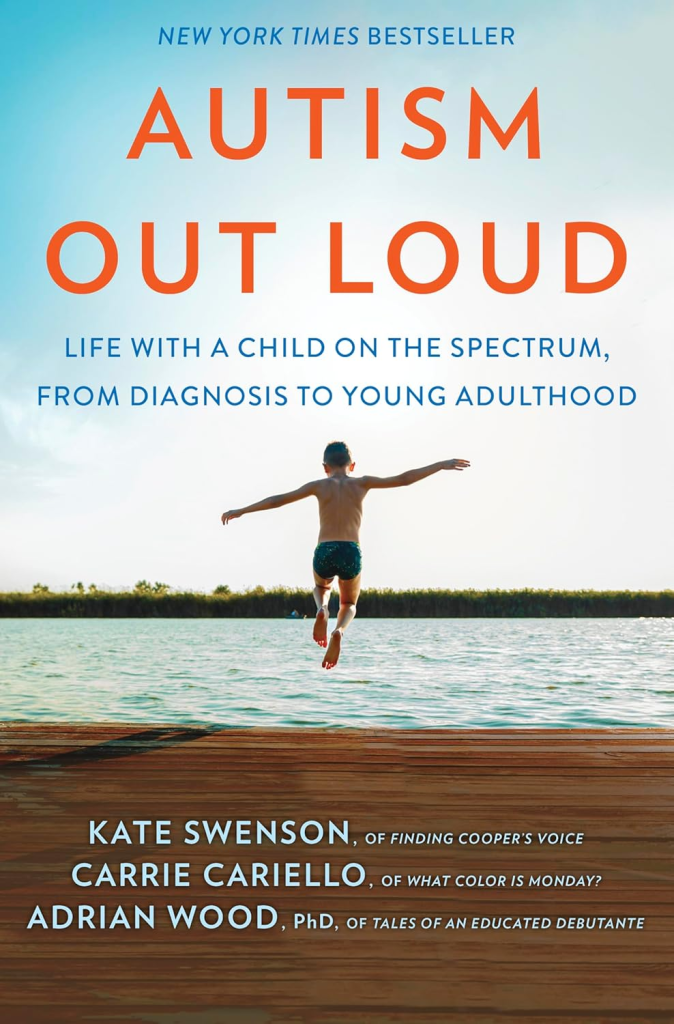
Autism Out Loud: Life with a Child on the Spectrum
This heartfelt and uplifting collection of stories from three mothers raising children with autism touches on the topics of diagnosis, school, siblings, community, and much more. Honest, compassionate, and deeply relatable, the book offers comfort, encouragement, and practical insight for families navigating the autism journey. Through laughter, challenges, and everyday victories, the authors remind readers that they are never alone and that beauty and hope can be found even in difficult moments.
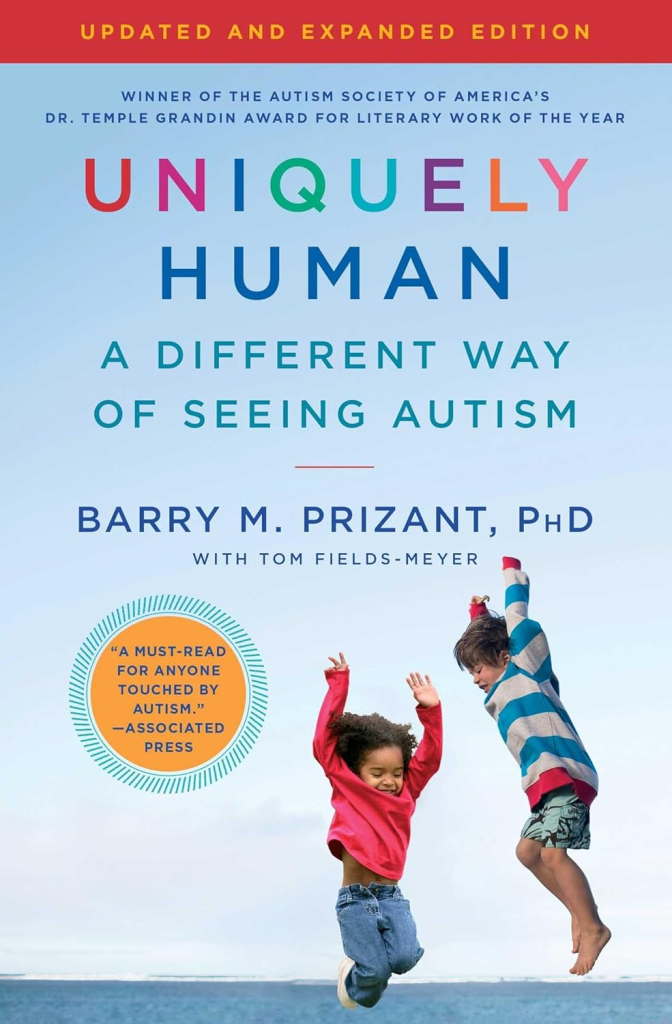
Uniquely Human: A Different Way of Seeing Autism
Uniquely Human offers a compassionate and refreshing perspective on autism, focusing on understanding rather than “fixing” autistic behaviors. Drawing on decades of experience, the authors highlight the strengths, humanity, and individuality of autistic people while providing practical, thoughtful guidance for parents, caregivers, and educators. Insightful and hopeful, this award-winning book encourages a more respectful and supportive approach to neurodiversity.
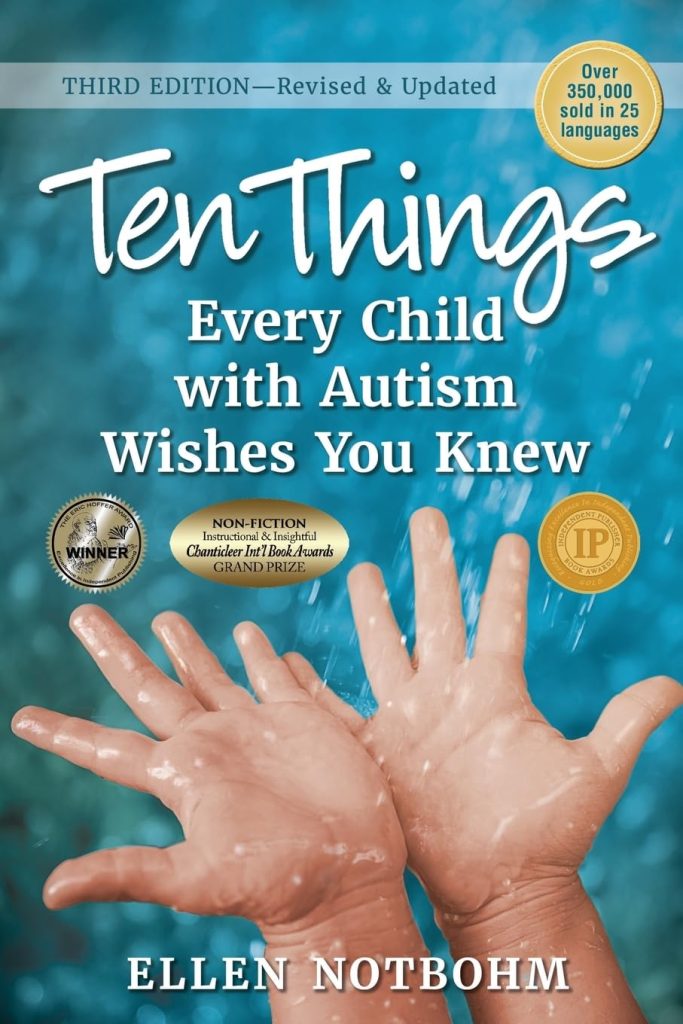
Ten Things Every Child with Autism Wishes You Knew
A child’s voice leads into each chapter in this warm, insightful guide, helping readers better understand the experiences of children on the autism spectrum. Written with compassion, humor, and practical wisdom, the book highlights the importance of empathy, communication, and acceptance, and includes the top ten characteristics that illuminate, not define, children with autism. A valuable resource for parents, educators, and caregivers, it offers encouragement and actionable insights for supporting autistic children with respect and understanding. Also available in Spanish.
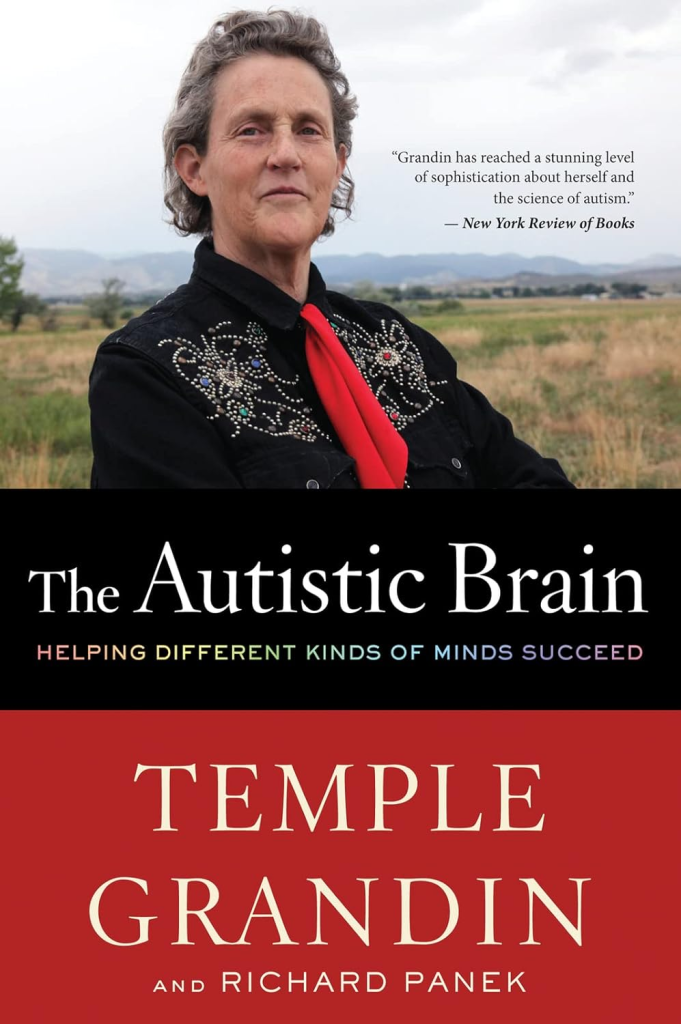
The Autistic Brain
The Autistic Brain by Temple Grandin is an insightful blend of personal memoir and cutting-edge science that reshapes how readers understand autism. Drawing from her own experiences and advances in brain research, Grandin highlights the importance of recognizing autistic strengths and different ways of thinking. Informative, inspiring, and accessible, this book is an excellent resource for parents, educators, and anyone interested in neurodiversity and strengths-based support.
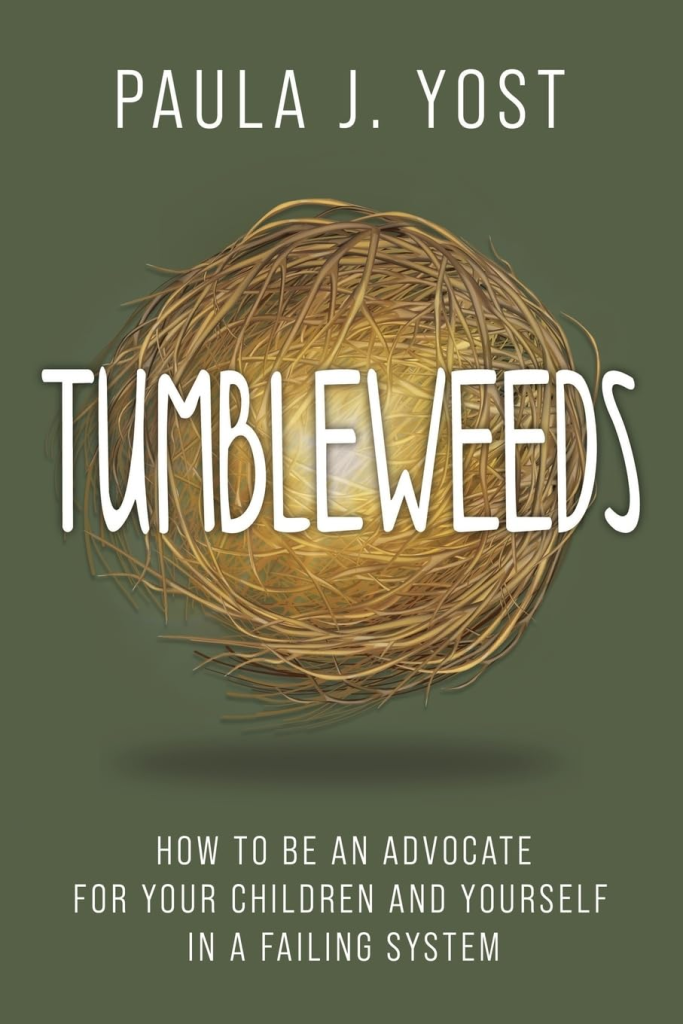
Tumbleweeds: How to Be an Advocate for Your Children and Yourself in a Failing System
Tumbleweeds is a powerful and thought-provoking memoir that explores what happens when families encounter systems that fail to support them. Through her experience as a foster, adoptive, and biological mother, attorney, and mental health professional, Paula Yost examines the challenges of advocacy, accountability, and being heard. Honest, compelling, and deeply relevant, this book offers insight, validation, and hope for anyone navigating complex systems on behalf of their children or themselves.
*As an Amazon Associate we earn from qualifying purchases, but we only recommend books that we value. Thanks for your support!