Key Takeaways:
Why lived experience should be part of your adoption education, how listening to many perspectives can prepare you to parent, and how to stay open to your child’s evolving feelings about identity, family, loss, and belonging.
If you are just beginning to explore adoption, there is a lot to learn, isn’t there? You may be researching types of adoption, comparing agencies, attending information sessions, reading about home studies, or trying to understand what makes a family eligible to adopt. But some of the most important learning you can do at this stage is listening to the voices of lived experience: the people who have already lived adoption, foster care, and kinship care from perspectives you may never personally share.
Why Listen to Lived Experience?
I remember being in those early learning stages myself. And I also remember one of the moments that shifted how I thought about adoption and about my role as an adoptive parent.
An adoptee in our online community reminded me that while my child was a cute, sweet-spirited baby then, she would grow up. She would have questions I could not answer for her. She would have feelings and experiences I could not fully understand from the outside. And, as the only adoptee in our large extended family at the time, and also the only person of color, she needed more than my love. She needed to know that we were safe people with whom she could explore, question, navigate, and experiment with her identity.
That stayed with me.
It is part of what eventually led Creating a Family to create the Adoptee & Foster Alumni Voices resource page, and it still shapes how I think about lived experience.
The longer I have parented, worked in this field, and listened to adoptees, birth parents, foster alumni, former kinship youth, and adoptive, foster, and kinship parents, the more convinced I am that lived experience is not an “extra” part of adoption education. It is one of the most significant tools we have to learn to see beyond our own place in the story.
1. Lived experience shows us what we cannot see from our own seat.
Most prospective adoptive parents enter the process understandably focused on becoming parents. We are thinking about agencies, home studies, finances, wait times, openness, attachment, and what kind of adoption may be right for our family.
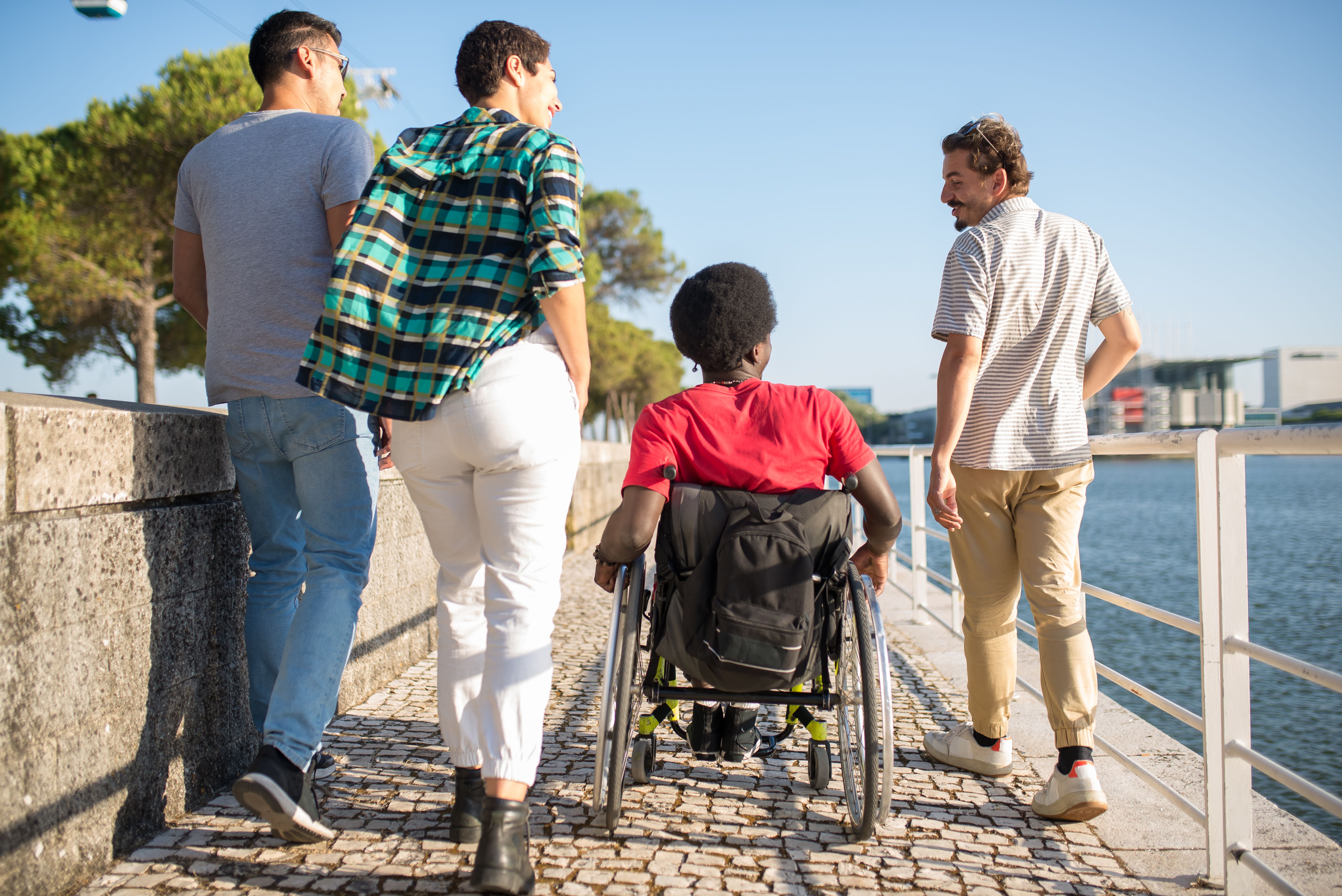
But adoption is experienced from many different seats.
And my view from my seat will never be the same as my children’s from theirs.
That sounds obvious now that I say it here. But I think it takes time and experience to understand just how important that difference is.
Over the years, I have heard adoptees describe loving their parents deeply while also grieving what adoption changed or took away. I have listened to birth parents talk about openness, respect, power, and loss from a perspective adoptive parents cannot fully share. Foster alumni have described what adults did that helped them feel safe, and what well-intentioned adults misunderstood. Kinship families have talked about loyalty, belonging, grief, and complicated family relationships that do not fit neatly into simple categories.
Those voices have stretched my thinking.
They have also reminded me that listening is not about collecting one “correct” story about adoption, foster care, or relative care. There is no single adoptee experience, no single birth-parent experience, and no single way a person who grew up in foster or kinship care will understand their story.
I know that very personally now.
My two adopted daughters are growing through adolescence and into young adulthood with two very different points of view about being adopted, about being young women of color, and about what their adoption stories mean to them. They have different temperaments, different ways of processing, and different ways of looking at the world.
Same family. Same parents. Very different experiences.
That has probably taught me more than anything else about why we need to listen broadly.
2. We learn how to make room for what is uncomfortable.
One thing I have gotten a lot of practice with over the years is balancing my own discomfort with my children’s need for space.
Sometimes that has meant leaning in a little. Sometimes it has meant pulling back a lot. Sometimes it has meant making an observation, offering a resource, or asking a gentle question. And sometimes my job has simply been to listen and remain safe but quiet.
That is way harder than it sounds!
Parents are problem-solvers. We want to reassure, explain, fix, reframe, or make pain smaller. And when the subject is adoption, race, birth family, belonging, or identity, what our children say can touch very tender places in us.
Listening to other people with lived experience has helped me practice tolerating that discomfort.
It has helped me recognize the urge to defend, explain, or say, “But that isn’t what we meant,” and instead ask myself whether there is something here I need to hear.
You do not have to agree with every conclusion someone reaches about adoption to learn from their experience. I certainly have not agreed with every perspective I have heard.
But I have learned that discomfort is not necessarily a sign that I should stop listening. Sometimes it is where the learning begins.
Navigating Challenging Behaviors: Practical Strategies for Families – a free guide!
3. Listening to lived experiences helps us learn to hold more than one truth.
Lived experience has also helped me become more comfortable holding truths that can feel contradictory.
- A child can love their adoptive parents and still grieve their first family.
- An adoptee can feel secure and deeply loved while also questioning where they belong.
- A young person can be curious about biological relatives without rejecting rejection of their adoptive family.
- Someone can be grateful for parts of their life without feeling grateful for the circumstances that made adoption necessary.
- A child can understand their adoption one way at age 8 and quite differently at 18 or 28.
I share these examples from what I have watched unfolding in my own family. There are countless other “contradictory truths” that all members of the adoption constellation hold at once, aren’t there?
And I think this is one of the greatest gifts we can give our children: the freedom to let their understanding change.
Their adoption story belongs to them. We are part of it, certainly. But we do not get to decide what it ultimately means to them.
4. We learn that we do not have to have all the answers.
This is one of the things I wish more prospective parents understood at the beginning.
You do not need to know exactly how your future child will feel about adoption.
You cannot.
You do not need to have every perfect response prepared for questions about birth family, race, identity, loss, or belonging.
You will not.
What you can begin doing now is becoming the kind of person who can stay in the room when those questions come.
- You can listen to people whose experiences differ from yours.
- You can notice what makes you defensive.
- You can learn when to speak and when not to.
- You can become more comfortable saying, “I don’t know, but I want to understand.”
- And you can show your child, over and over again, that their questions will not threaten your relationship.
That may matter more than having the perfect answer.
5. Learn to listen broadly, not just to the voices that reassure you.
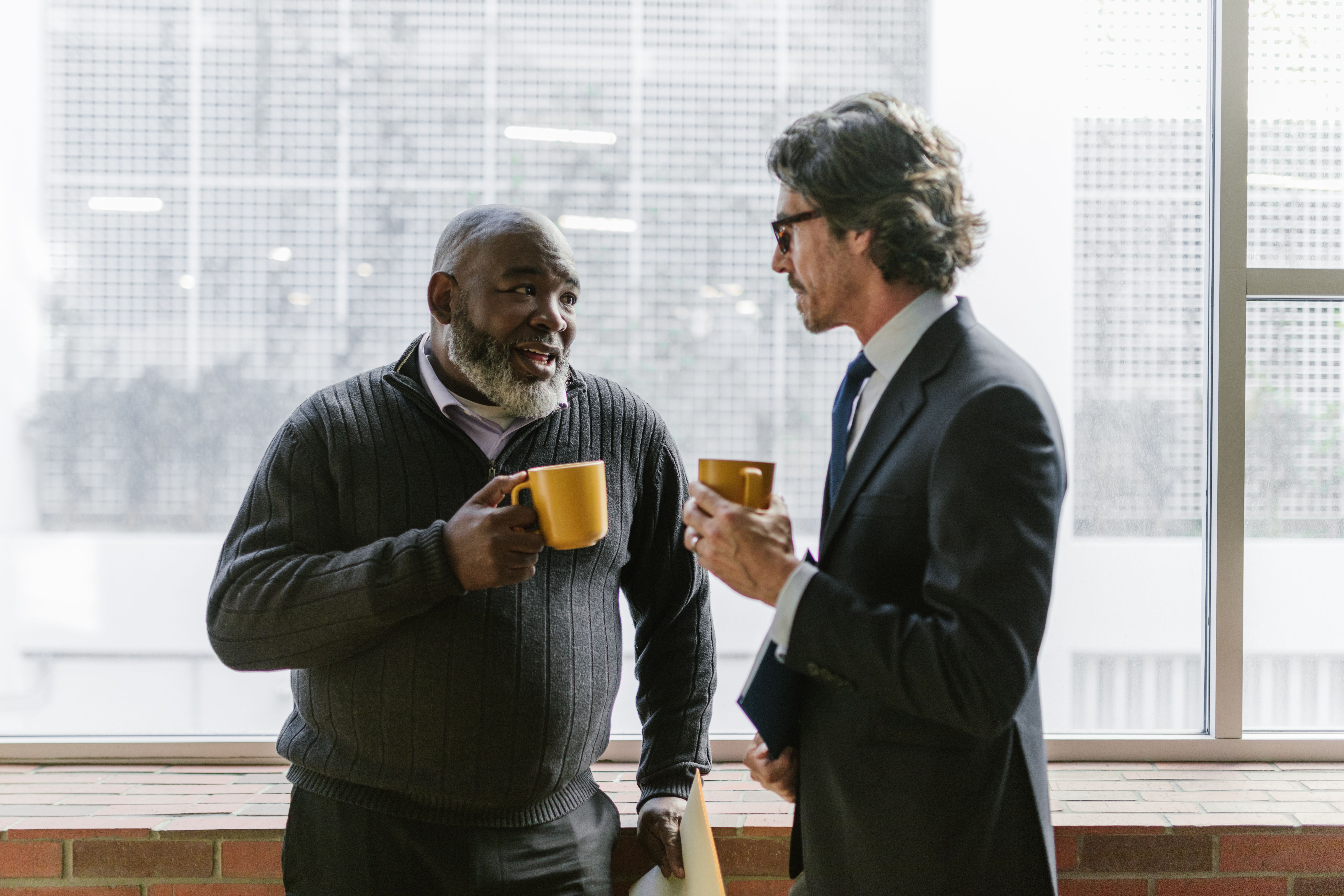
When I first began seeking out adoptee voices, I was not looking for one opinion that would tell me whether adoption was good or bad. I was trying to understand what my children might someday need me to know.
That is still how I think about lived experience.
- Listen to adoptees who feel positively about adoption and those who are critical of it.
- Listen to birth parents.
- Listen to foster alumni and former kinship children.
- Listen to parents who have made mistakes and learned from them.
I actively seek voices from different racial and cultural backgrounds, different generations, and different types of adoption.
Do not ask any one person to represent everyone who shares part of their identity or experience. As our founding Executive Director, Dawn Davenport, used to say, “if you’ve heard one adult adoptee, you’ve heard one adult adoptee.” It’s simple, but it’s wise, isn’t it?
Instead, let each voice add something to your understanding. Over time, you begin to see themes. You also begin to see how much variation there is. Both are important.
6. Let your listening change and equip you.
The point of lived-experience education is not simply to say that you listened.
It is to let what you hear shape how you think, prepare, and parent:
- Maybe it changes the questions you ask an adoption agency.
- Maybe it makes you reconsider how much openness you are comfortable with.
- Maybe it leads you to examine your community and whether your child will see people who share their race, culture, or lived experience.
- Maybe it changes the language you use.
- Maybe it helps you understand that permanence and belonging are not always the same thing.
- Or maybe it simply teaches you to slow down and not assume you know what someone else’s experience means.
These are a few of the impacts learning has had in my journey. And I am still learning!
I am still learning when to ask a question and when to leave space. When to offer something and when not to. When my children want input and when they just want me nearby.
Start Listening Before You Need the Lesson
If you are just entering the adoption process, you have an opportunity I hope you will take seriously: start listening now.
Please don’t wait until your child is 12 and asking questions you weren’t prepared for. Do not wait until race or birth family or identity suddenly feels urgent. Listen before you need the lesson.
Let the lived experiences of adoptees, birth parents, foster alumni, former kinship children, and experienced parents widen the picture for you.
Some stories will encourage you. Some will challenge you. Some may make you uncomfortable.
Stay with them, though: you are not listening to predict your future child’s experience. You are listening so that, whatever their experience becomes, they will know you are safe enough to hear it.
****************************************************
November is National Adoption Month. Please consider sharing with your community what you are learning by listening to voices with lived experience. Check out our social media accounts to help raise awareness of the need for safe landing places for the many kids waiting in the foster system for a loving home. Our handle is @creatingafamily, and we are on most of the major platforms.
****************************************************
Image Credits: fauxels: https://www.pexels.com/photo/photo-of-people-doing-handshakes-3184416/; Kampus Production-https://www.pexels.com/photo/men-strolling-on-the-riverside-8777808/; RDNE Stock project: https://www.pexels.com/photo/businessmen-holding-coffee-while-having-conversation-8124226/
Add Your Comment