If You Only Have a Minute:
Back-to-school transitions can be stressful for children impacted by trauma. Simple strategies, such as predictable routines, school visits, visual schedules, and supportive relationships, can help adopted, foster, and kinship kids feel safer, calmer, and better prepared to learn.
The start of a new school year brings excitement, new opportunities, and fresh routines. But for many children impacted by trauma, including those who are adopted, in foster care, or being raised by family members, the transition back to school can bring anxiety or fear.
Even when a child returns to the same school, a new school year still brings many changes: new teachers, different classmates, new expectations, and unfamiliar routines. For our kids with trauma histories, neurodevelopmental differences, learning challenges, or prenatal substance exposure, these changes can trigger anxiety and stress.

12 Simple Ways to Ease the Back-to-School Transition
Whether you are an adoptive parent, resource parent, or kinship caregiver, there are small, practical steps that can help your kids feel safer, more confident, and more prepared for the year ahead.
1. Remember that it still feels new.
Even if your child has attended the same school for years, this school year is different. There are new classrooms, new teachers, and new routines.
Make space for your child to talk about their worries and expectations. Sometimes simply saying, “A lot of things are changing, and that can feel hard,” helps children and teens alike to feel understood.
Understanding Prenatal Exposure to Alcohol and Drugs
2. Expect some anxiety.
Children impacted by trauma often view new situations as uncertain or unsafe until they have evidence that they can trust them.
If your child or youth seems irritable, clingy, withdrawn, or argumentative, they may actually be feeling anxious. Try to respond with curiosity instead of correction.
3. Start adjusting sleep schedules early.
A sudden shift from summer hours to school hours can be tough on any child (and their adults!).
Move bedtime and wake-up time earlier by 10–15 minutes each time over the next few weeks. A gradual transition is usually easier than trying to change everything the night before school starts.
4. Practice the route to school.
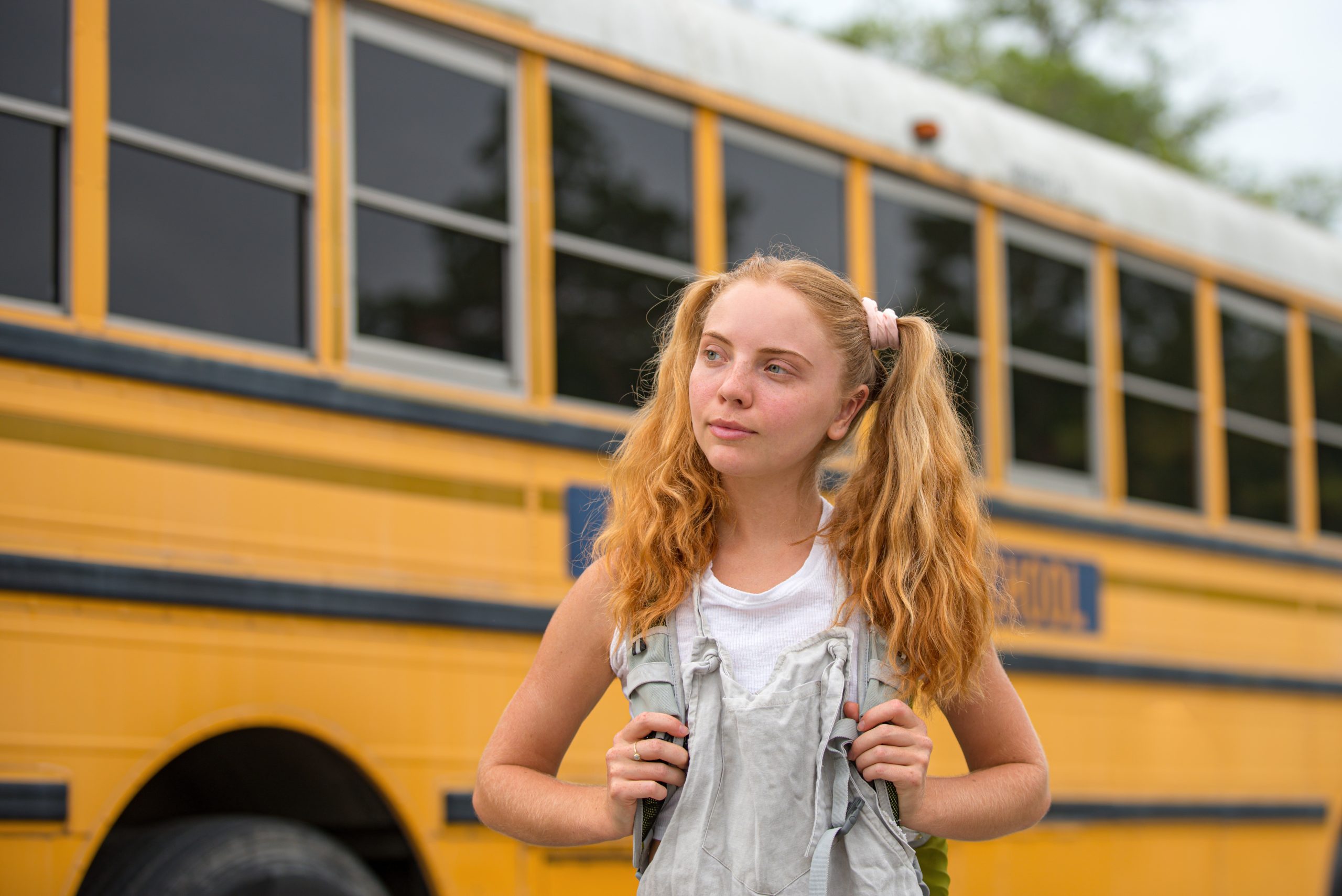
If possible, and if it may soothe your child’s anxiety, drive, walk, or ride the bus along the route before the first day. This tip is especially pertinent if your child is new to the school or bus travel.
Knowing where they are going and how they will get there can reduce uncertainty. During the drive, ask open-ended questions such as:
- “What are you most excited about?”
- “What are you wondering about?”
- “What feels a little scary?”
5. Visit the school ahead of time.
Many schools will allow new families to walk through the building before school starts. Seeing the cafeteria, classroom, bathrooms, and playground with your child can make the first day feel much more familiar, especially for children who struggle with anxiety or transitions.
6. Introduce your child to key adults.
If possible, connect with the teacher, counselor, or other support staff before school begins. A quick introduction can help your child or teen feel that they already know at least one safe adult in the building.
One foster parent shared that simply meeting the school counselor before the first day turned a week of worry into relief for her son.
7. Map out the day
Older students often worry about getting lost or being late, especially in new or large buildings. Try to review class schedules together.
If the school provides a map, help your child identify where each class is located and how they will move between them. We created tiny versions of the map that fit in our teens’ pockets. When phones are allowed, a picture of their route between rooms can be calming.
8. Give your child a voice in how to plan the transitions.
Hold a family meeting before school starts and ask questions like:
- “What helped mornings go smoothly last year?”
- “What made things stressful?”
- “What ideas do you have for this year?”
They are more likely to cooperate with routines when they help create them.

9. Create predictable routines.
Predictability helps our kids feel safe. Your morning, after-school, homework, and bedtime routines should be as consistent as possible. The goal isn’t perfection. It’s creating a rhythm your child can count on.
10. Use visual supports.
Many children benefit from seeing routines rather than just hearing them.
Using visual schedules, checklists, calendars, and reminder charts can be especially helpful for children with executive functioning challenges, ADHD, autism, learning differences, or prenatal substance exposure. For younger children, photos paired with the words for each step of the routines can be very effective.
11. Keep other things consistent, too.
The beginning of the school year is not the best time to make lots of other changes in your household. Maintain familiar family traditions, favorite meals, game nights, or weekend routines well into the new school year. These predictable experiences can help children stay regulated during the transition.
12. Share helpful information with the school.
You don’t need to share every detail of your child’s history! But it can be helpful to tell teachers about specific needs or triggers, such as:
- Family tree or genetics assignments
- Baby photo projects or “All About Me” activities
- Attention or executive functioning challenges
- Learning differences related to prenatal substance exposure or neurodivergence
- Sensory needs or accommodations
A proactive conversation can prevent unnecessary anxiety and help educators better support your child.
Progress Matters More Than Perfection
The back-to-school season can be stressful for the whole family. If your child or teen struggles with transitions, remember that challenging behavior is often a sign of stress, not defiance. Focus on connection, predictability, and preparation. Small steps taken consistently can make a big difference. Most importantly, remind your child and yourself that it’s okay if the transition takes time. Safety, trust, and confidence are built one day at a time.
Image Credits: LightFieldStudios - https://app.envato.com/photos/d738327f-b2fb-4137-81c7-d0505d2db1bc; Light-and-Vision - https://app.envato.com/photos/9020ae21-5306-402e-bbe9-1fe0c7ade5a0; jeannierv - https://app.envato.com/photos/3d93c7db-faa5-4cf7-93bf-35a236faaff5
Add Your Comment