
Parenting is never one-size-fits-all. We each bring our own histories, beliefs, and even blind spots to the way we raise children. For many hopeful adoptive parents or foster parents, the option to adopt is already layered with questions about readiness, capacity, and love. When you are considering transracial adoption (often now called transcultural adoption), those questions take on new and critical dimensions.
Accept that Transracial Adoption is Complex
Transracial (or transcultural) adoption can be beautiful. It can also be complex in ways that parents may not anticipate at the beginning of their journey. None of these complexities means you shouldn’t pursue adoption. They do, however, suggest that you’ll need to be intentional, reflective, and committed to lifelong learning.
The goal is not to be perfect, but to be open to your child, to new experiences, and to growth as a family.
Below are some key areas to reflect on as you consider adopting a child of another race or ethnicity. Think of them less as a checklist and more as an invitation to deepen your perspective and prepare for the road ahead.

Look Honestly at Your Beliefs About Race and Culture
The first step in preparing to parent across racial or cultural lines is self-examination. Why do you want to adopt, and why are you considering adopting a child of another race or ethnicity? There is no “right” or “wrong” answer, but it’s essential to be honest with yourself and your partner.
If you are white and live in a primarily white-majority community, you may have little firsthand experience with racism. It’s easy to assume that love alone will protect your child. Love matters immensely, but it cannot shield a child from racial bias, stereotypes, or discrimination. The idea of being “color-blind” may sound appealing, but in practice, it denies a fundamental part of who your child is. Race is not something to be blind to or erased. It’s part of your child’s identity and should be honored, celebrated, and nurtured.
Culture, too, is not just an accessory. It’s the tapestry of traditions, foods, languages, religions, and values that shape who we are. Embracing your child’s culture of origin is more than just hanging a piece of artwork or occasionally cooking a favorite dish. It means creating a home where your child sees their identity reflected and respected in everyday life.
Questions to reflect on:
- Am I willing to keep learning about racism and privilege, even when it’s uncomfortable?
- Do I understand that my child’s experiences in the world may be very different from my own?
- Am I ready to honor and nurture their racial and cultural identity, not just tolerate it?
These questions may stretch you, but leaning into them now will help you parent with awareness and humility.
Panel of Young Adult Transracial Adoptees
Consider How to Adapt Your Parenting
Beyond belief and intention, your daily actions as a parent shape how your child feels about themselves and the world. For a transracial adoptee, role models are not optional — they are essential. Children need to see adults who look like them and share aspects of their culture.
Your Community
Think about where you live. Is your community diverse? Will your child be one of only a handful of kids of color at their school, church, or sports team? If so, you may need to rethink your surroundings. Moving might feel extreme, but for some families, it can be the difference between isolation and a sense of belonging for their child.
Your Interpersonal Relationships
Also consider your networks and friendships. Do you have people of color in your circle, not just acquaintances but true friends? Kids notice whether you walk the talk. If they see you building relationships with people who share their racial or cultural background, they will feel less alone and more grounded in their identity.
Your Family’s Rhythms
Culture cannot be reduced to an annual festival or a week-long camp. It needs to be part of your family’s rhythms — through food, holidays, art, music, and the stories you tell. For example, filling your family library with books, music, and media featuring characters of color creates a rhythm in your home. It sends powerful messages about who belongs and who matters.
Practical care also matters.
If your child’s skin or hair requires care that is new to you, commit to learning. Seek out tutorials, ask friends for guidance, or join online groups where parents share tips. Take them to professionals who reflect your child’s race or culture, and invest in the recommended products and accessories. Your child deserves to know you value their appearance as it is, not as you might wish it to be.
Questions to reflect on:
- Am I willing to expand my community so my child sees themselves reflected?
- How will I bring my child’s culture into our everyday life?
- Do I need to learn new skills, such as hair care, to help my child thrive?
Prepare to Confront the Actions of Others
Even if you are prepared and your home is a haven, the outside world will not always be kind. Sadly, racism often comes from the places we least expect it — maybe even from within your circles of friends or extended family.
As a parent, your role is to protect your child, not only physically but emotionally. That means setting firm boundaries with relatives, friends, or community members who express racist views. This can be uncomfortable, but your silence sends a message to your child that their dignity is negotiable.
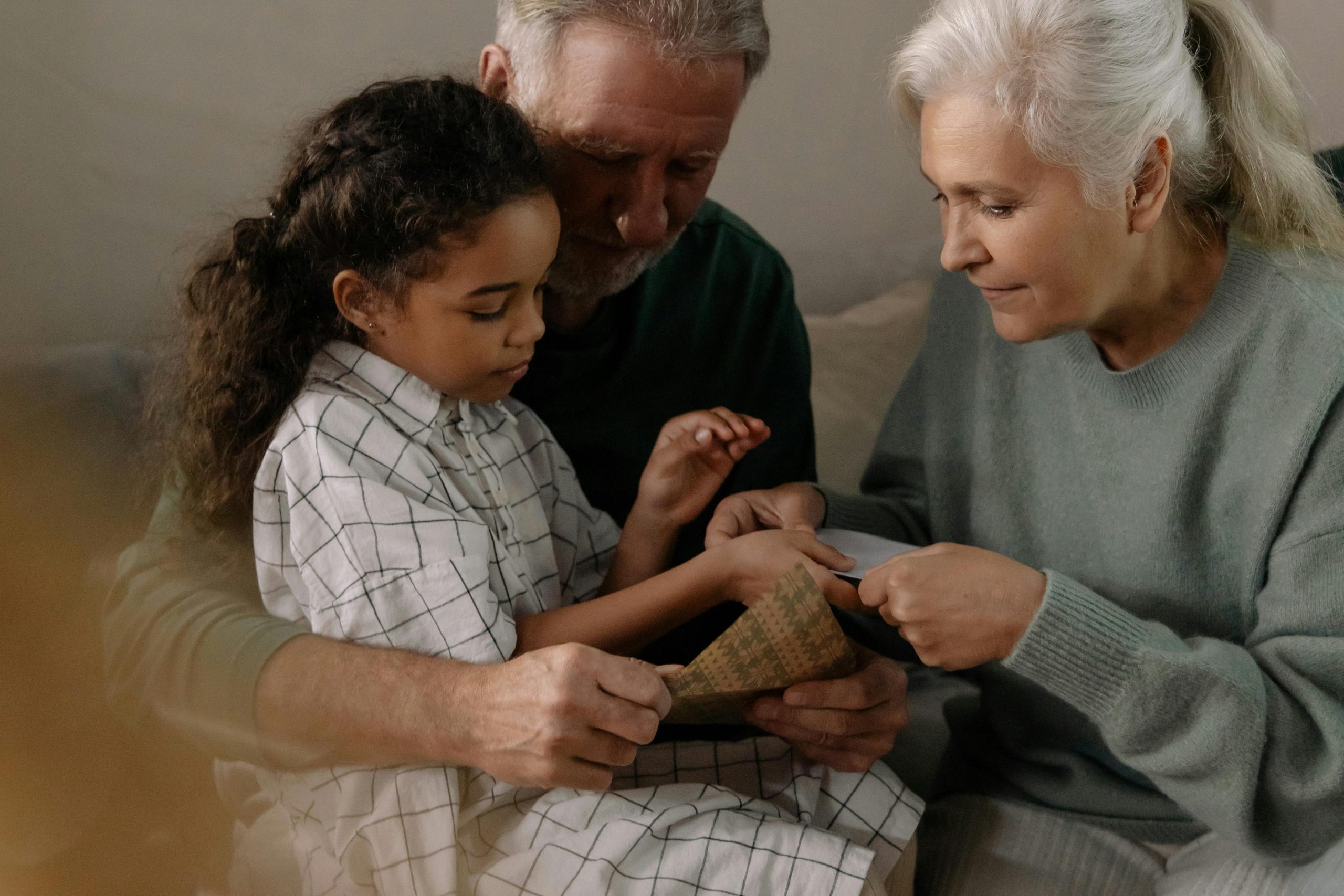
Sometimes the boundary will be as clear as saying, “That comment is unacceptable in our family. If it continues, we won’t be spending time together.” At other times, it may involve working with an adoption-competent therapist to navigate complex family dynamics.
What’s most important is that your child sees you standing up for them. They should never feel it is their responsibility to educate or correct adults about racism.
Research shows that adoptees—whether adopted transracially or within their own race—face higher risks of depression, anxiety, and even suicidal thoughts. These struggles often stem from feeling different or silenced. By confronting racism openly and consistently, you help your child know they are not alone and that their experiences are authentic and valid.
Questions to reflect on:
- Am I willing to risk conflict to protect my child from harmful attitudes?
- Do I have the courage to stand up for my child, even against people I love?
- Am I ready to seek outside support when family dynamics get complicated?
Strengthening & Supporting Your Transracial Adoptee
Transracial Parenting Means Lifelong Learning
Transracial and transcultural adoption is not a one-time decision—it’s a lifelong commitment to growth. You will make mistakes. You may sometimes feel unprepared or overwhelmed. That’s okay. What matters is that you remain teachable and willing to adapt.
Parenting across racial and cultural boundaries means embracing curiosity. Read books by adoptees and parents who have walked this road before you. Expose yourself to voices of color, especially within your child’s cultural community. Seek out professional guidance when needed. And perhaps most importantly, listen to your child. Their perspective will evolve as they grow, and your openness to hearing them will shape your relationship.
This journey can be challenging, but it is also gratifying. Transracial adoption offers you the chance not only to give a child love and stability, but also to expand your own worldview and deepen your humanity. The work you do to prepare yourself, to build inclusive communities, and to protect your child from harm is an act of love that will echo for a lifetime.
Grow into Flourishing Together
If you are considering adopting a child of another race or ethnicity, take heart. You don’t have to have all the answers right now. What matters is your willingness to keep asking questions, continue learning, and grow alongside your child.
Your love, paired with humility, openness, and action, can help your child develop a strong, healthy sense of identity and belonging. Transracial adoption is not about erasing differences but about honoring them and creating a family culture where every layer of who your child is can flourish.
November is National Adoption Month. A significant need within the adoption and foster community is safe, nurturing permanency for older children. If you want to learn more about National Adoption Month and older child adoption, check out AdoptUSKids and follow the hashtags #NationalAdoptionMonth and #NationalAdoptionMonth2025 on social media.
Image Credits: Kampus Production: https://www.pexels.com/photo/happy-children-sitting-close-next-to-each-other-6481591/; Dziana Hasanbekava: https://www.pexels.com/photo/a-family-sitting-on-the-couch-8213230/; cottonbro studio: https://www.pexels.com/photo/grandparents-making-craft-decoration-with-granddaughter-6158679/
Add Your Comment