
If You Only Have a Minute
It’s common to worry, “What if my adopted child doesn’t love me?” Many kids who have experienced loss show love in ways that are easy to miss. Your job isn’t to compete for, or try to earn, their love. It’s to stay steady, present, and open. Love grows over time through a relationship.
There is a quiet fear many adoptive parents carry but rarely say out loud: What if my child doesn’t love me?
Maybe it shows up after your child pulls away from a hug. Maybe it comes when they talk about their birth family with longing. Or maybe it’s just a lingering question in the background of your parenting.
If you’ve wondered this, you are not alone. And more importantly, you are not doing anything wrong by asking it.
Where This Fear Comes From
Adoption begins with loss. Even when they land in the most positive situations, your child experienced loss and separation before joining your family. That truth can bring up complicated feelings. You might find yourself wondering:
- “Will I feel like their ‘real’ parent?”
- “Will they wish things had been different?”
- “Will I always feel like I’m on the outside of something I can’t change?”
These questions often come from a place of deep love. You want a connection. You want to matter to your child. You want to feel chosen back.
But love in adoption doesn’t work like a comparison chart. It’s not measured against what might have been. It’s built over time, through predictable, consistent connection.
When Kids Push Love Away
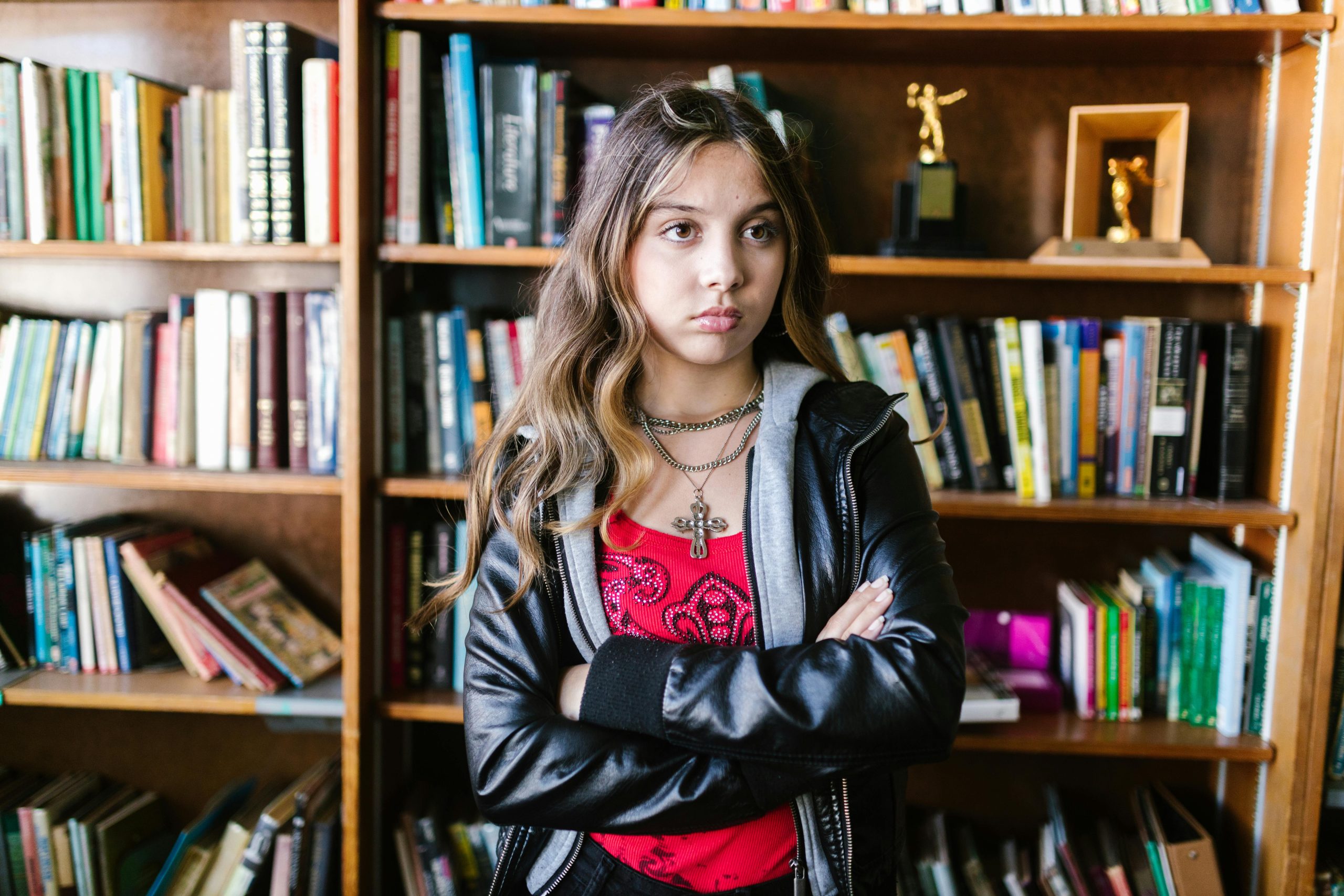
One of the hardest parts of this journey is that some children don’t show love in ways we expect. They may resist affection. They may seem distant or shut down. They may even say hurtful things or act like they don’t need you.
It’s easy to take that personally. But for many of our kids who have experienced early loss, neglect, or inconsistent care, any relational and physical closeness can feel risky. Trust doesn’t come easily. Their brain has learned to protect first.
Sometimes pushing you away is their way of asking: “Are you still here if I make this hard?”
Children may also carry grief they don’t yet fully understand. As they grow and begin to make sense of their story, those feelings can surface as anger, withdrawal, or rejection — especially toward the person in their life who is the safest.
That doesn’t mean they don’t love you. It means love feels complicated to them right now.
Free Guide to Parenting a Child Exposed to Trauma
Love Doesn’t Always Look Like We Expect
Many parents imagine that their love for their adopted child will be mutual and obvious, with hugs, “I love yous,” and a sense of closeness.
And sometimes it does.
But sometimes love looks like your child coming to you when they’re hurt, even if they don’t want comfort once they get there. It may look like testing you again and again to see if you’ll stay. Sometimes it looks like letting you handle the hard moments, even if they can’t say thank you.
Children who have experienced trauma and loss often need to experience love consistently before they can express it. And that takes time.
You’re Not Competing for Your Child’s Love
It’s natural to feel unsure when your child talks about their birth family or shows curiosity about where they came from.
But here’s something many adoptees express clearly: loving one family doesn’t cancel out love for another. Your child’s connection to their birth family is part of their story. It doesn’t take away from the relationship you are building.
You are not being measured against someone else, and comparing yourself will almost always leave you feeling the lack – that’s the insidiousness of comparison, right?
Instead, remind yourself that your goal is to keep showing up in the day-to-day moments that shape your child’s sense of safety, belonging, and trust. That’s where love can take root and grow.
What Helps When You Feel Unloved
To be sure, there will be seasons when this fear feels especially close to the surface. When that happens, it can help to shift your focus gently.
1. Stay steady in your presence, even if your child seems distant.
Children who struggle with trust need our consistency and predictability more than they do our intensity or grand gestures.
2. Lower the pressure for affection.
Many of our kids need to feel safe long before they feel comfortable being close – emotionally and physically. Lowering expectations can free both of you to focus on establishing and nurturing that sense of safety.
3. Make space for their whole story.

When your child knows they can talk about their past without hurting you, it strengthens your relationship—not weakens it. Keep the conversational door open, and assure them that nothing is off-limits about their whole story, past, present, or future.
4. Pay attention to how your child does connect, even if it’s subtle.
A quick check-in. Plopping down on the couch near you. Letting you help them with a task. Wandering in to work alongside you in the kitchen. All these small moments can be signs that they are reaching for connection. Welcoming them, however they reach, matters!
5. Take care of yourself, too.
Parenting through feelings of rejection or distance is draining. You deserve support, understanding, and relationships where your own emotional needs are met. You deserve to nourish and refuel yourself in ways that give you the capacity to keep showing up.
There is a Truth That May Take Time to See
Here’s what many adoptive parents come to understand, albeit maybe slowly:
- Your child may not show love the way you expected.
- Your child may need time to trust what love means.
- Your child may carry feelings that make closeness hard.
And your child can still love you deeply.
Love between parent and child in adoption is not always immediate or easy to recognize. But it can be built, moment by moment, through your steady care.
To be clear, you are not just waiting around, hoping your child will love you. Rather, you are intentionally crafting the space and culture where that love can grow. And over time, that intentionality and growth, even when it’s quiet, steady, or hard-earned, can become something strong and real.
Image Credits: Gustavo Fring - https://www.pexels.com/photo/photo-of-a-child-covering-her-ears-while-sitting-with-her-parents-7447265/; RDNE Stock Project - https://www.pexels.com/photo/teenage-girl-in-leather-jacket-8419176/; Yan Krukau - https://www.pexels.com/photo/group-of-women-doing-yoga-exercise-8436719/
Add Your Comment