Key Takeaway:
Your attachment style influences how you respond to stress and conflict, as well as how you connect with your child.
The good news? Attachment patterns can change, and becoming aware of your own story can help you build stronger, more secure relationships with your child.
Your attachment style and parenting experiences are closely connected. The way you were cared for as a child can influence your reactions today, affect parent-child attachment, and shape how you build secure attachment in children. Understanding how attachment style affects parenting can help you become more intentional, especially when raising children who have experienced trauma, loss, foster care, or adoption.
What Is Attachment?
Many parents and caregivers are surprised to learn that their own childhood experiences continue to influence their parenting long after they become adults. Yet understanding your own attachment history isn’t about blaming your parents or dwelling on the past. It’s about gaining insight into yourself so you can respond to your child with greater awareness, compassion, and connection.
Attachment is the emotional bond that develops between a child and their primary caregivers. When caregivers consistently meet a child’s needs with safety, comfort, and responsiveness, children learn that adults can be trusted and that they are worthy of love and care. These patterns of expressed needs being met by a caregiver form the basis of a child’s attachment to that caregiver.
What are Attachment Styles?
These early experiences create an internal “relationship map” or attachment style that influences how we see ourselves, others, and relationships throughout life.
Most adults fall somewhere along a spectrum of attachment styles. While these styles aren’t fixed categories, understanding them can help explain some of your parenting strengths and struggles.
1. Secure Attachment: “I Can Handle This”
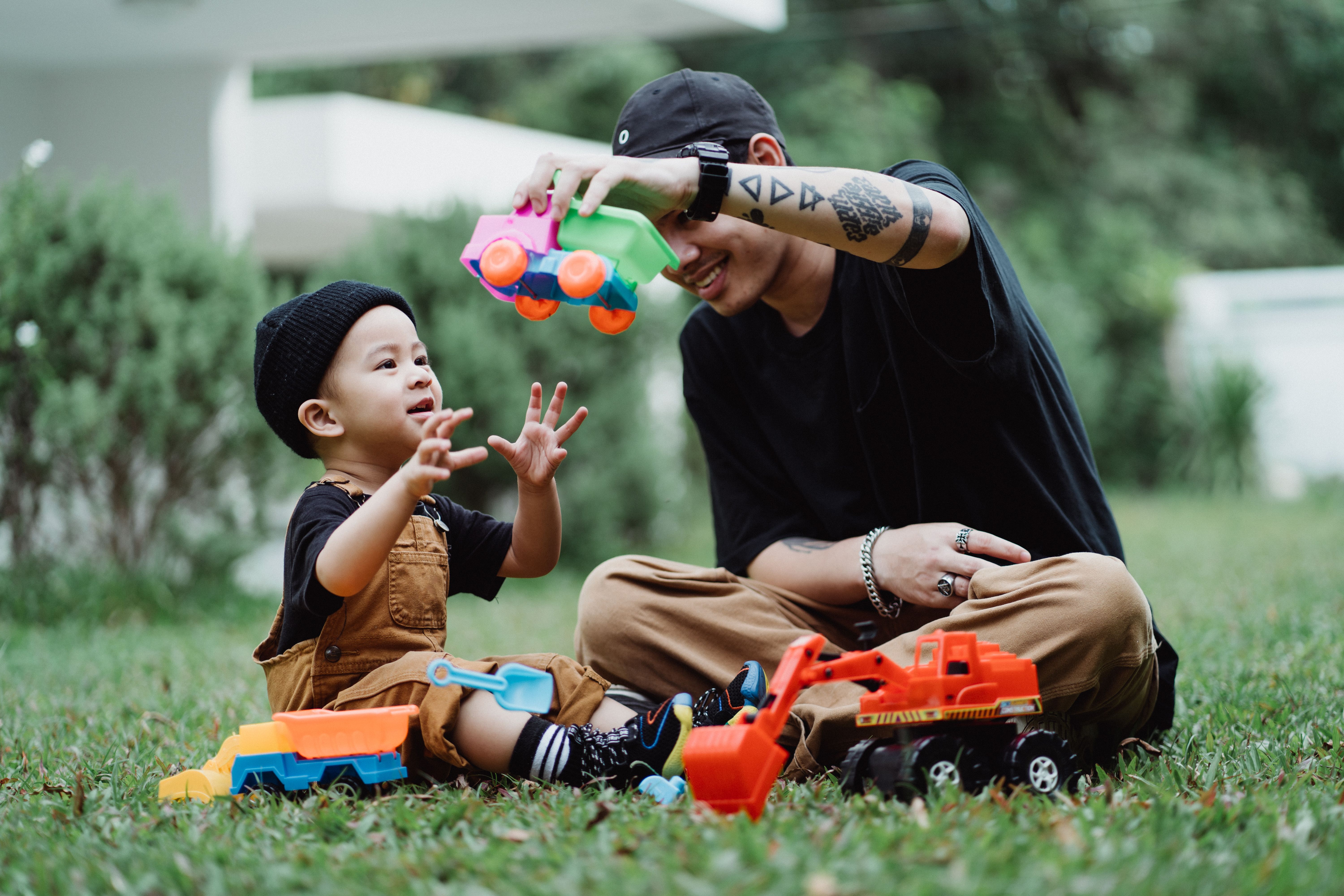
Adults with a secure attachment style generally believe that relationships are safe and dependable. They are usually comfortable giving and receiving support, handling conflict, and repairing relationships after disagreements.
Securely attached parents are not perfect parents. They still lose patience, make mistakes, and have difficult days. The difference is that they tend to recognize when they’ve made a mistake and work to reconnect.
Here’s a common parenting moment to consider:
Your child melts down in the grocery store because you said no to candy. A securely attached parent may feel embarrassed or frustrated, but they can also stay calm, set a limit, and help their child regulate rather than escalating the conflict.
Our kids don’t need perfection. Research consistently shows that they benefit most from caregivers who are “good enough,” that is, adults who are emotionally available and willing to repair relationship ruptures.
3 Types of Insecure Attachment Styles and Parenting
Many loving parents did not grow up with consistently responsive caregivers. That doesn’t mean they can’t build strong attachments with their children. It simply means they may need to parent more intentionally.
Download YOUR Free Guide to Parenting a Child Exposed to Trauma
2. Anxious Attachment: “Do They Still Need Me?”
Adults with an anxious attachment style often grew up with inconsistent caregiving. As parents, they may worry about whether their child loves them, needs them, or is pulling away.
You might recognize anxious attachment in yourself if you:
- Take your child’s rejection very personally.
- Feel devastated when your child prefers another caregiver.
- Become anxious when your child seems distant.
- Struggle to set limits because you fear damaging the relationship.
This can be especially challenging when parenting children impacted by trauma, adoption, or foster care. Many children who have experienced loss push caregivers away when they are overwhelmed or scared. A parent with an anxious attachment style may interpret that behavior as personal rejection.
For example, your child might yell, “You’re not my real mom!” during an argument. While painful, this statement is often an expression of fear, grief, or dysregulation and not a true reflection of the relationship.
3. Avoidant Attachment: “I Need to Stay in Control”
Adults with avoidant attachment often learned early that they needed to be self-sufficient because their emotional needs were not consistently met.
As parents, they may:
- Feel uncomfortable with strong emotions.
- Pull away when children are upset.
- Focus heavily on behavior and independence.
- Have difficulty asking for help or accepting support.
A child who cries frequently, needs lots of reassurance, or struggles with separation may unintentionally trigger discomfort in others.
For example, if your child repeatedly seeks comfort at bedtime, you may find yourself thinking, “You should be able to do this on your own by now.” Yet many of our children who have experienced trauma or loss need extra connection before they can become independent.
4. Disorganized Attachment: “I Want Connection, But It Feels Unsafe”
Some of us have experienced frightening, chaotic, abusive, or traumatic childhoods. We may deeply desire close relationships while also feeling overwhelmed or unsafe within them.
Parenting can activate old wounds, especially when our kids display challenging behaviors or have strong trauma-based responses to daily situations.
You may notice that you:
- Feel flooded by your child’s emotions.
- Swing between being very involved and emotionally withdrawing.
- React more strongly than you would like.
- Struggle to remain calm during conflict.
If this sounds familiar, please know that you are not alone. Many adoptive, foster, and kinship caregivers discover that parenting brings unresolved experiences to the surface.
Why Attachment Styles Matter When Raising Children Impacted by Trauma
Children who have experienced abuse, neglect, prenatal substance exposure, foster care, multiple moves, or other significant losses often have attachment-related challenges of their own. And their behaviors can stir up powerful feelings in us:
- A child who rejects affection may trigger a parent’s fears of rejection.
- Kids who constantly need reassurance may overwhelm a caregiver who values independence.
- A grandchild who lies, hoards food, or becomes aggressive may activate your own trauma history.
When we understand our own attachment patterns, we are better able to pause and ask, “What is happening inside me right now?”
That moment of curiosity can change everything for you and your relationship with this child.

Building More Secure Attachment For And Between Both of You
The encouraging news is that attachment patterns can change throughout life. You can intentionally strengthen your relationship with your child by:
- Becoming curious about your own childhood experiences and how they affect your parenting.
- Noticing situations that consistently trigger strong reactions.
- Pausing before responding when emotions run high.
- Repairing after mistakes by reconnecting and talking with your child.
- Seeking support from a therapist, support group, or trusted professional when needed.
Parenting Can Heal Attachment Wounds, Too!
Parenting often has a way of shining a light on parts of ourselves we didn’t even know were there. You may find yourself reacting more strongly than you expected, feeling hurt by your child’s rejection, or wondering, “Why is this particular behavior so hard for me?” That’s normal. Raising children—especially children who have experienced trauma, loss, foster care, or adoption—can stir up our own histories in surprising ways.
When those moments happen, try to respond with curiosity rather than criticism – for yourself or for your child. Ask yourself, “What is my child communicating right now? What is this bringing up for me?”
You don’t have to get it right every time. None of us does. What matters most is that you keep showing up, keep repairing when things go sideways, and keep choosing connection, even in small everyday ways. Those ordinary moments of listening, apologizing, laughing together, and sitting beside your child when they’re struggling will be the moments that build trust and healing, so both you and your child can grow.
Image Credits: Title Image 1 - paulaphoto - https://app.envato.com/photos/559476e1-c0c5-4d3c-99c4-d7fadf1fad4f; Title Image 2 - Image Source - https://app.envato.com/photos/da569b8c-39ec-4fe5-8450-ba6fffdfc167; Ketut Subiyanto - https://www.pexels.com/photo/young-father-and-son-playing-with-toy-cars-outside-4934421/; Mikhail Nilov - https://www.pexels.com/photo/an-elderly-woman-in-purple-long-sleeves-talking-to-her-grandchild-wearing-apron-and-brown-cap-8317867/
Add Your Comment