Key Takeaways in this Article:
Bullying can deeply affect a child’s emotional safety, self-worth, and mental health, especially for children with trauma histories. Parents and caregivers make a powerful difference by staying present and connected, responding calmly, advocating for support, and helping their children rebuild confidence and resilience.
There are few things more painful as a parent than realizing your child is being bullied by other kids. Sometimes we see it right away. Other times, we notice little changes first: stomachaches before school, tears at bedtime, anger that seems to come out of nowhere, or a child who suddenly doesn’t want to log onto their phone anymore. Many kids never come right out and say, “I’m being bullied.” They may feel embarrassed, afraid things will get worse, or worried adults won’t understand.

Your Presence Makes a Difference When a Child Is Bullied
For kids who have experienced trauma, foster care, adoption-related loss, family instability, or prenatal substance exposure, bullying can cut especially deep. It can reinforce the painful feelings they may already carry about being different, unwanted, unsafe, or “less than.”
The good news is that our support and steady presence matter more than we sometimes realize. Our children do not need parents or caregivers who can fix everything perfectly. They need safe, nurturing adults who stay calm, listen well, protect them, and remind them they are not facing this alone.
Bullying Isn’t Just “Kids Being Kids”
Conflict between kids is normal. Disagreements happen. Kids get frustrated with each other. But bullying is different.
Bullying is repeated behavior meant to hurt, embarrass, scare, isolate, or control another child. Sometimes it’s loud and obvious. Other times, it’s subtle and easy for adults to miss:
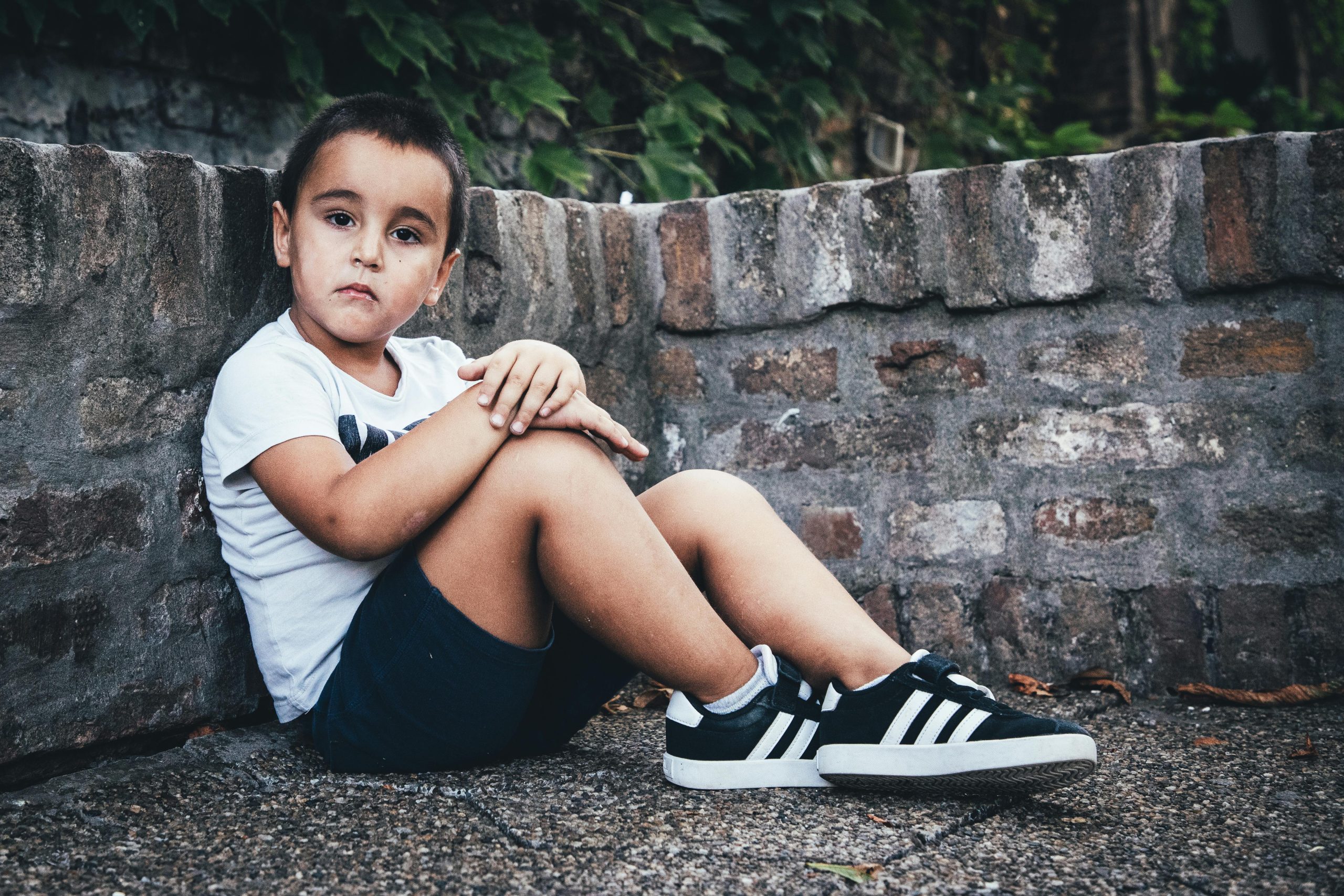
- A younger child may be repeatedly left out of games or picked on during recess.
- An elementary-aged child may be teased relentlessly about their appearance, learning struggles, race, family, or behavior.
- Tweens and teens often experience more social or emotional bullying: rumors, exclusion, humiliation, manipulation within friendships, or public embarrassment online.
- Children connected to foster care or adoption may also face painful comments or invasive questions about their families, their history, or why they don’t “look like” their parents or siblings.
And sometimes the hardest part is that bullying doesn’t always stop when the school day ends.
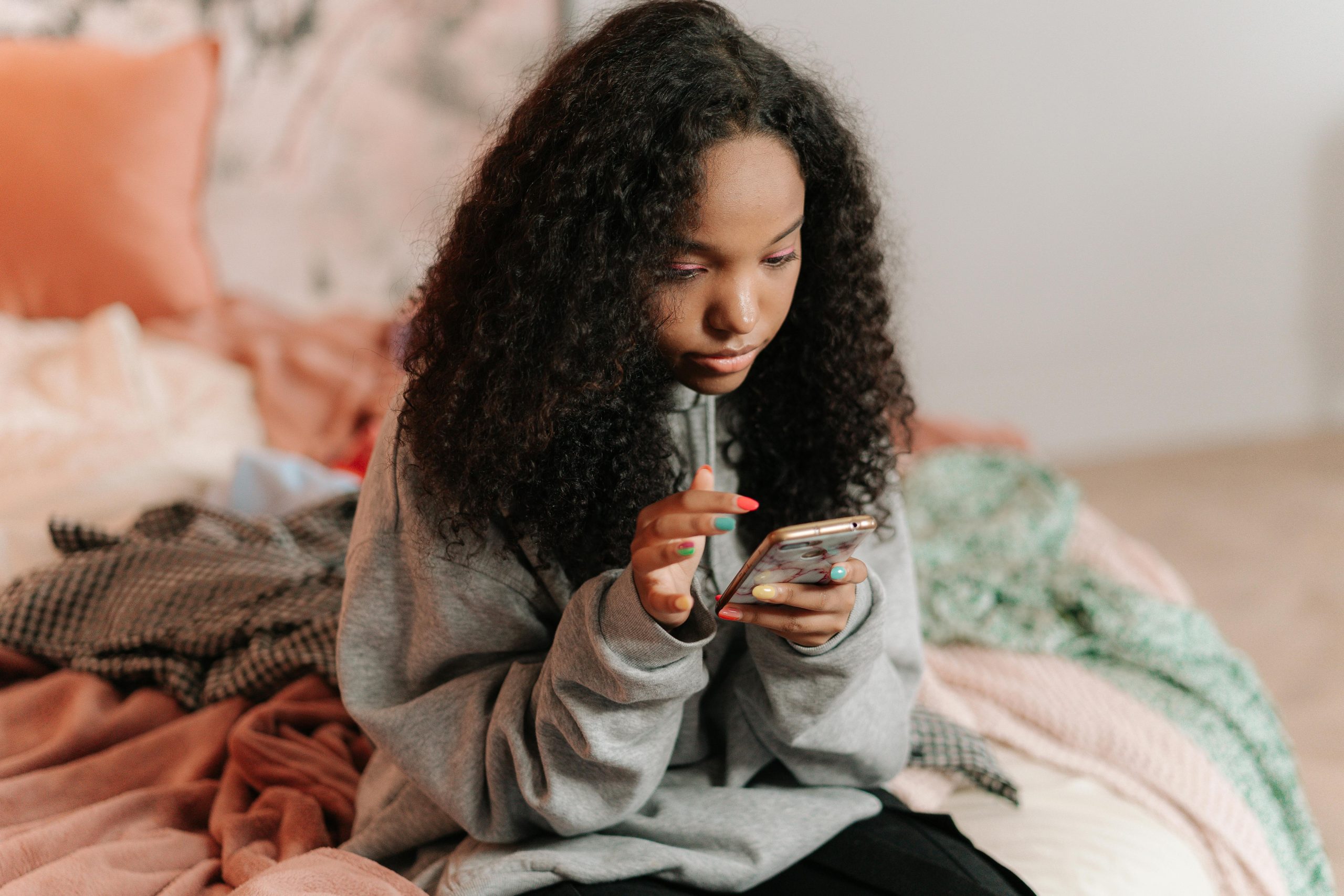
Cyberbullying follows kids home.
For today’s kids, their online life is their real life.
Cyberbullying happens through texting, gaming systems, social media, group chats, apps, or other online platforms. It may include cruel messages, fake accounts, public humiliation, sharing embarrassing photos, threats, or intentionally excluding kids from online groups.
Many of us grew up knowing we could escape bullying once we got home. Kids today often can’t. Because the messages keep coming. The group chat keeps moving. The humiliation can feel public, permanent, and impossible to escape.
That’s why cyberbullying deserves the same level of attention and intervention as physical or face-to-face bullying.
If your child seems suddenly anxious about their phone, withdrawn after being online, obsessed with checking messages, or emotionally dysregulated after gaming or social media, it’s worth gently digging deeper.
Sometimes bullying happens at home, too.
We all know that some sibling conflict is typical. Living closely together is messy, especially in families where children are carrying trauma, grief, fear, or emotional overwhelm.
But there’s a difference between siblings arguing and one child consistently hurting, intimidating, humiliating, or scaring another child.
In foster, adoptive, and kinship families, especially, children may bring survival behaviors into the home. Some kids try to gain control through aggression, manipulation, threats, or emotional cruelty because their nervous systems are stuck in protection mode.
That doesn’t make the behavior okay.
If one child in the home seems fearful of another, is constantly being targeted, or is regularly being humiliated or physically hurt, adults need to step in calmly and consistently. Children deserve to feel emotionally and physically safe in their own homes.
Free Guide to Navigating Challenging Behaviors: Practical Strategies for Families
The Signs Of Bullying Can Be Easy to Miss
Not all children respond to bullying the same way.
Some kids cry openly. Others become angry. Some shut down completely. Trauma-impacted kids may suddenly become more reactive, more withdrawn, or more emotionally dysregulated.
- Headaches or stomachaches
- Trouble sleeping
- School refusal
- Changes in eating habits
- Declining grades
- More emotional outbursts
- Increased anxiety or sadness
- Lost or damaged belongings
- Pulling away from friends or family
- Avoiding phones or social media—or becoming consumed by them
- Negative self-talk or low self-esteem
Sometimes kids who are being bullied begin bullying others themselves because hurt kids often operate from survival mode.
Pay attention to changes in behavior, not just words.
What helps the most when your child opens up?
When children finally tell us they’re being bullied, our first instinct is often to jump into protection mode. We want to fix it immediately. We want names, details, consequences, and solutions. However, there are some foundational connections to reinforce first.
Before problem-solving comes connection.
Take a breath. Listen carefully. Let your child feel believed. You might say:
- “I’m really glad you told me.”
- “That sounds incredibly hard.”
- “You do not deserve to be treated that way.”
- “We’re going to figure this out together.”
Even if the situation seems small to us, it may feel enormous to a child. Avoid minimizing the situation with phrases like:
- “Just ignore them.”
- “Toughen up.”
- “Kids are mean sometimes.”
Working With Schools and Other Adults
Most bullying situations need adult involvement. When you contact the school, coach, youth leader, or other adults, try to approach the conversation as calmly and collaboratively as possible. It’s okay to be emotional privately, but staying steady often helps move things forward more effectively.
Children connected to adoption or foster care may also need adults to address classroom activities, comments, or assignments that unintentionally expose or shame them.
Focus on safety, support, and accountability.
Ask questions like:
- Where does this usually happen?
- What supervision changes can help?
- How will staff respond if it happens again?
- How can we help my child feel safe and supported?
Helping Kids Feel Safe Again
Bullying affects more than confidence. It impacts a child’s nervous system. Some children stay on constant alert, waiting for the next text, comment, or confrontation. Others start believing the hurtful messages about themselves.
This is where home can become a healing place. Our consistent, predictable routines help. So does laughter, movement, connection, and opportunities for success. Therapy can also be incredibly helpful, especially for children with trauma histories.
Most importantly, children need repeated reminders that someone sees them clearly and loves them deeply.
When Bullying Impacts Mental Health
Bullying can increase the risk of anxiety, depression, self-harm, and suicidal thoughts. Children may begin to feel hopeless or trapped. So, take a young person’s statements about wanting to disappear, hurt themselves, or not wanting to live seriously.
Creating a Family’s Suicide Awareness and Prevention online course offers additional guidance for recognizing warning signs and supporting children who may be struggling emotionally.
We Can’t Prevent Every Hurt—But We Can Build Resilience
There’s no perfect way to “bully-proof” a child. Even confident, connected kids can become targets.
But some things help:
- Children who feel securely connected at home are more likely to ask for help.
- Children who have opportunities to build healthy friendships often recover more quickly from peer rejection.
- Children who know their worth are better able to recognize when others are treating them badly.
- And children who know adults will step in and protect them, carry less shame and fear.
Sometimes the most powerful thing we can offer is not a perfect solution, but steady messages of value, connection, and presence:
- “You are not alone.”
- “This is not your fault.”
- “I will keep showing up for you.”
Image Credits: pixelshot - on Canva; Boris Hamer - https://www.pexels.com/photo/a-young-boy-sitting-on-the-ground-in-front-of-a-brick-wall-28283096/; cottonbro studio - https://www.pexels.com/photo/girl-sitting-on-bed-using-cellphone-6593913/
Add Your Comment