
Do you ever catch yourself humming a song while making dinner, only to look over and see your tween or teen giving you that “I can’t believe you’re doing that” smirk? Maybe they start lip-syncing dramatically or copying your dance moves with exaggerated flair. And even though they pretend they’re so over it, you catch the corners of their mouth tug upward. That tiny smile is a message we may overlook: “We belong together—even when things are complicated.”
Why Shared Fun Builds Security
While raising our adopted, foster, or relative kids, we usually figure out through trial and error that the light, spontaneous moments often carry more weight than any planned heart-to-heart. Fun becomes a bridge. It softens tension, signals safety, and helps kids who have lived through hard things discover that connection can feel good, safe, and predictable.

Tweens and teens who’ve experienced separation, trauma, or prenatal substance exposure often carry quiet questions: “Am I safe? Do I matter here?” Daily routines help, but shared laughter and delight reach the places structure alone can’t. They communicate:
“You’re worth my time.”
“I enjoy you, not just care for you.”
“We’re more than the challenges we’ve faced.”
Parenting a Child Exposed to Trauma
The Secret Sauce to Authentic Connection
Most families discover this over time: building secure connections is less about doing something impressive and more about simply showing up—consistently, predictably, warmly.
The Wins Look Different
Imagine spending the afternoon baking with your 13-year-old nephew. But the from-scratch brownies are so bad that even the dog refuses them. You both dissolve into laughter at the dog’s offended look, wipe chocolate off the counter (and maybe the ceiling), and settle on scrambled eggs for dessert. Later that night, your usually reserved nephew leans a little closer during a movie.
That wasn’t a baking disaster. It was an attachment win.
12 Easy, Everyday Ways to Build Connection
These ideas are not tasks to accomplish. They’re vehicles for trust and belonging. Adapt them to your abilities, culture, your youth’s interests, and your family rhythms.
1. Build Together
Create something together: a blanket fort, a gaming corner, a DIY movie nook with pillows and string lights. Let your teen choose the movie or show. What matters is the shared creation.
Sometimes, kids who’ve been withdrawn begin to open up as they build this “nest.” By the end, you may hear more about their world than you have in weeks.
2. Try Kitchen Karaoke or Dance Breaks
No reason needed. Hit play and let them pick the playlist. Movement lowers stress and builds connection, and the silliness sends a message: “Joy lives here, too.”
3. Cook Something Simple (and Expect Imperfection)
Choose a recipe—tacos, fry bread, pancakes, something cultural or comforting. Give them meaningful roles: stirring, seasoning, DJ-ing. The food isn’t the point; the smells, conversations, and shared messes are what stick. Whether the meal is a hit or a flop, the memory becomes part of your story together.
4. Games + Snacks + Stories = Connection
Let your teen choose the game (cards, a video game you’re terrible at, something nostalgic). Add snacks for a winning equation, and let them take the lead. The competition isn’t the point; inside jokes and moments where walls soften are.
5. Photo or Memory Projects
Invite your teen to help put together a scrapbook, slideshow, or collage of meaningful people or moments. For youth navigating identity and belonging, seeing themselves in a connected story—past, present, and future—can be grounding.
Let them decide what feels okay to include, especially if there are gaps or painful chapters. And if they’re good at capturing photos or videos, hype that skill and invite them to document family moments moving forward.
6. Walk-and-Talk Challenges
Stepping outside, no matter the weather, creates breathing room for easier conversations. Add playful challenges:
- Find the funniest-shaped tree.
- Spot something the color of your mood today.
- If I were a wild animal here, I’d be a…
These light prompts lower pressure and often open the door to deeper talks later.
7. Backyard Adventures
When teens see you willing to play, it breaks the belief that adults are only around for rules and seriousness. It communicates, “I’m fun to be with, and I like being with you.”
Try things like leaf-pile jumping, glow-stick hide-and-seek, or set up goofy relay races. These moments feed connection, especially for kids healing from trauma.
8. Stargazing and Snack Time
Sit outside at night, share a blanket, look up, and wonder aloud. Ask what they hope for in the next few months, with no pressure, just imagining together.
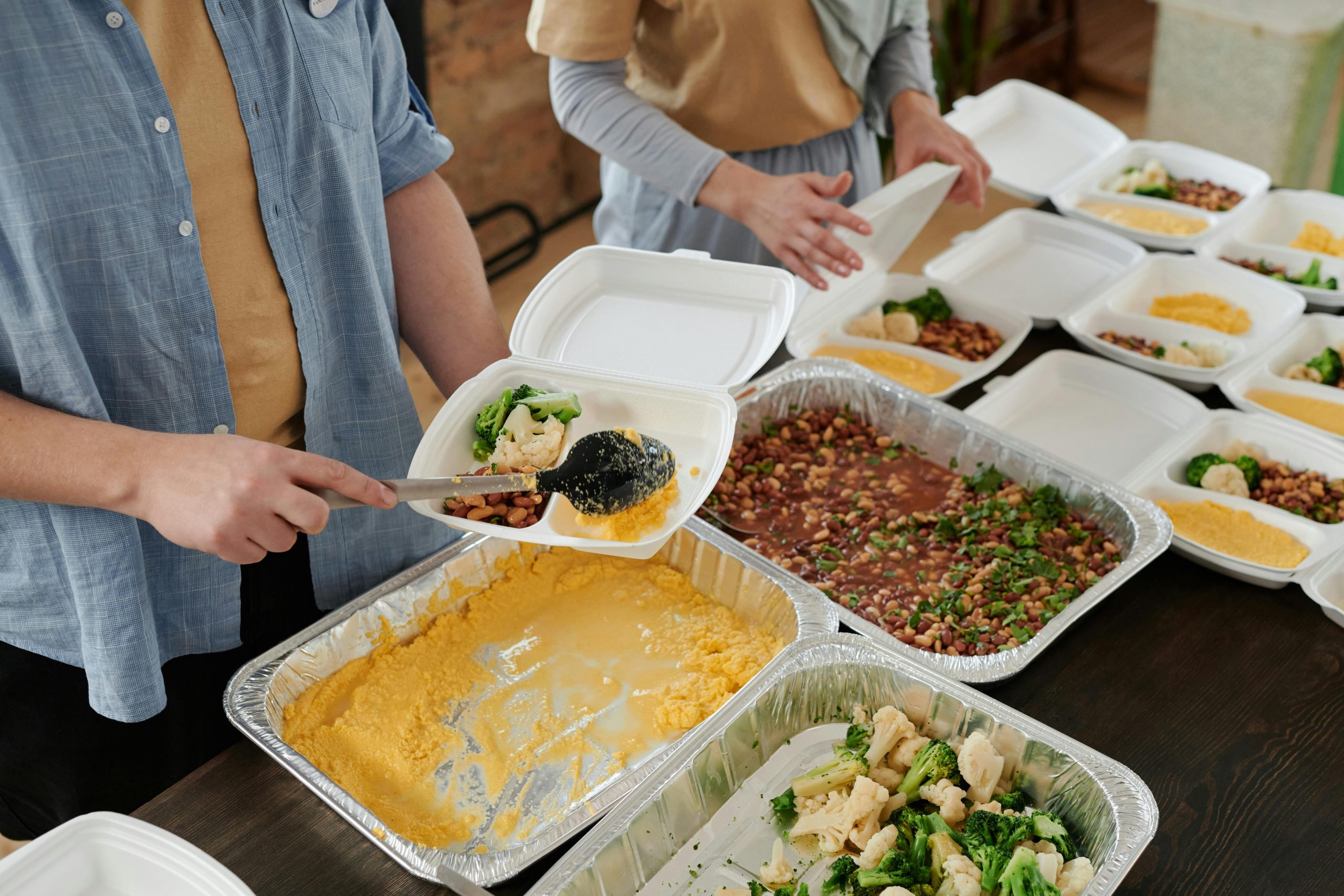
9. Do Something Good Side-by-Side
Service builds confidence and competence while strengthening your bond. Pick up litter on a trail, help a senior neighbor with yardwork, or volunteer together. Side-by-side work often opens space for natural conversation.
10. Weekly “We Cook Together” Night
Rotate who chooses the meal. Give your youth creative control, even if they’re not doing all the cooking. They might design a menu, select a theme, or curate a playlist. Predictable rituals like this become emotional anchors, even in busy seasons. If a meal flops, laugh and reset.
11. Story and Supper Time
At the table, share a funny story from your own teen years or from your family or cultural traditions. Then ask, “What made you laugh this week?” If they shrug, let it be. The point isn’t their answer. Your steady presence is.
12. Bake for Someone Else
Choosing a recipient, baking together, wrapping the treats, and delivering them nurtures empathy and a sense of belonging. And serving others side-by-side makes memories that stick.
Raising Capable Kids (Regardless of Their Label)
Creating Belonging Strengthens Connection
Fun may seem small, but for youth healing from trauma, shifting homes, or managing the effects of prenatal substance exposure, these moments matter deeply. Every shared laugh, every “mess-up-and-try-again,” every silly song says:
“I’m here. You’re mine to care for. We’re a team.”
Connection doesn’t erase their history, but it adds new memory lines—of safety, warmth, and hope—that anchor them in your family and in their own growing sense of identity.
So go ahead—invite your tween or teen into something fun, even if they roll their eyes first. They might pretend they’re too cool, but their heart hears the message loud and clear:
“We belong together.”
Image Credits: Title Image 1 – jordisphoto: https://elements.envato.com/generated-image-RG2R9N5; Title Image 2 – wosunan: https://elements.envato.com/happy-grandparents-playing-video-games-with-grandc-34KYW8G; Any Lane: https://www.pexels.com/photo/smiling-ethnic-mother-with-daughter-decorating-christmas-cake-in-kitchen-5727978/; Julia M Cameron: https://www.pexels.com/photo/people-preparing-food-packs-6995247/
Add Your Comment