
No matter how you created your family, you probably have a regularly overscheduled calendar. Juggling school activities, sports, music lessons, therapy, and work demands are overwhelming. You are not alone! Most families struggle to manage their pace these days. However, when you are raising kids impacted by adoption, foster care, or relative caregiving, you also know that your kids may be grappling with their sense of identity, belonging, and security. Your kids may feel even more overwhelmed and anxious than you think about your family’s pace. How do you handle the pace and help your family form a strong identity that sustains them? Family rituals can be an excellent tool to anchor your kids into your family culture and identity.
Why are Traditions and Rituals So Important?
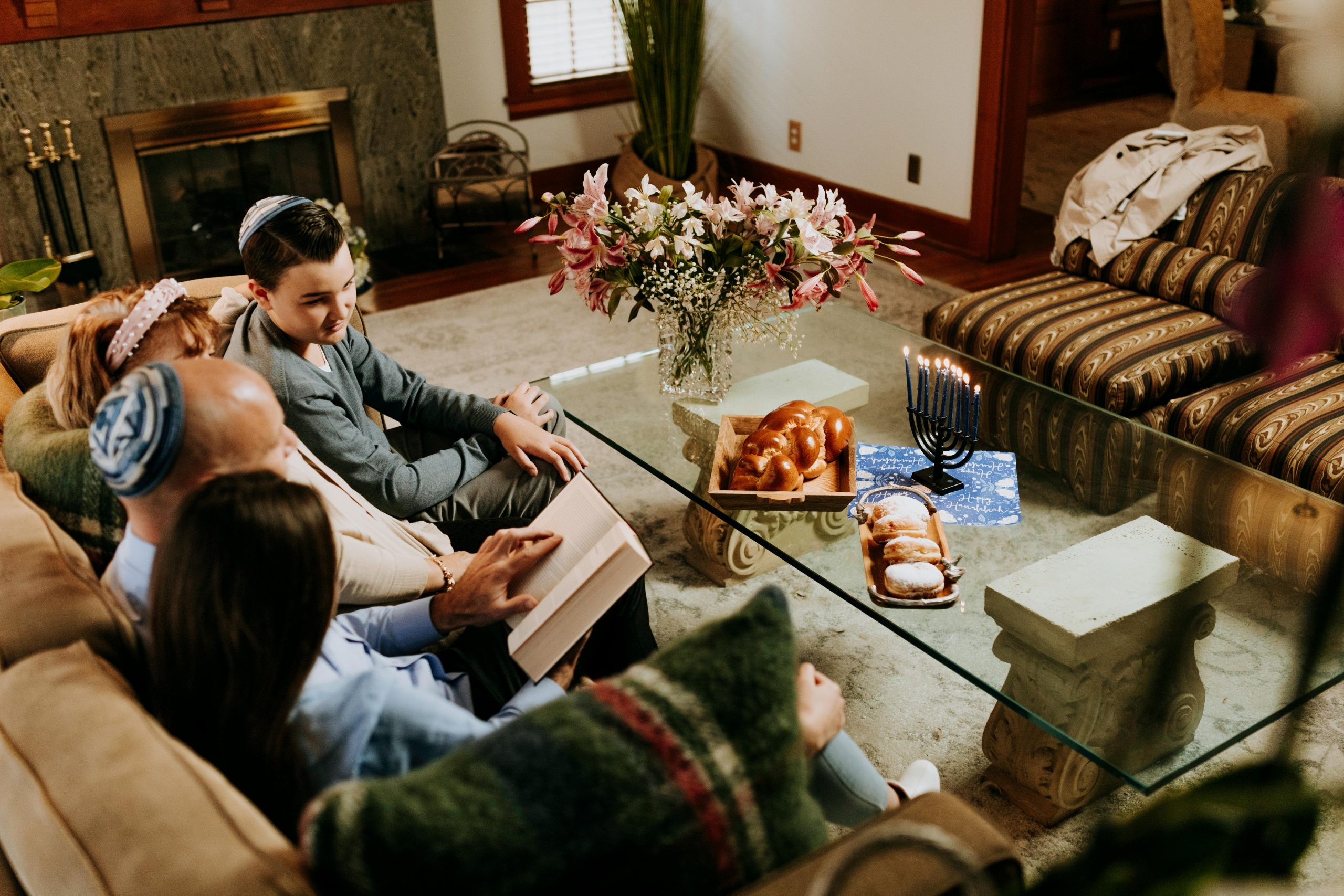
Every child faces the developmental questions of “Who am I?” and “Where do I fit in this world?” However, our kids who have experienced trauma, institutional care, or chaotic experiences before joining our homes have additional layers to these issues. They may have learned self-protection skills that inhibit the ability to trust and settle deeply into the comfort of family. They might have experienced neglect, leading them to depend only on themselves to survive. Some kids have lost significant relationships and don’t know how to grieve those losses and allow space for new connections.
Regardless of what your children have experienced or how they try to answer these big questions, you can use traditions and rituals to anchor them into your family’s culture and identity. Rituals cause us to slow down, pause, and consider. While engaged in a treasured family tradition, we listen to each other and allow ribbons of connection to thread us together. Our kids can settle into the feeling of “I belong here” when we share traditions between us.
Rituals also give our family a sense of “this is who we are” and “this is what we do.” Whether it’s regular volunteering at the local pet shelter or Sunday dinners at Grandma’s, these repeated shared activities allow us to reconnect to the generations of our family and what we value. Additionally, these traditions play a significant part in creating a culture of unity. Our family’s identity gives our kids a foundation to build their own identity along the way.
Parenting Children Who Have Experienced Trauma
How to Create Rituals that Anchor Our Kids
Creating traditions and rituals doesn’t have to be another overwhelming task to add to your To-do list. Rituals are not remarkably different from most families’ daily habits or routines. However, you can elevate those routines by adding a layer of mindfulness or meaning to the activity.
Think about how your family handles birthdays, for example. Every year, your children get to pick their favorite cake and frosting for the birthday celebration. Now, consider how to add layers of mindful attention to this routine. You could make a tradition of baking and frosting the cake with the birthday child. You could go a little crazy and serve cake and ice cream for dinner, letting everyone skip their veggies. Or you may pull out the crazy Dr. Suess-style birthday hat and sing Grandpa’s version of the Happy Birthday Song every time you see the birthday kid.
Starting is often the most challenging step for us, especially when we are overwhelmed and trying to keep up with life. The point is to pick a starting point and add layers of memory-making, meaning, and intention. Look for activities you do every week, month, or year and use that as a building block.
Practical Tips to Help You Create Rituals
Family rituals or traditions should be manageable to keep up with, and you will get more meaningful participation when you consider all the voices in your family. What matters to your kids? What matters to your partner? What do you value when trying to create a family identity? Ask yourself these questions and think about starting with one or two activities you already do but could use some boosting with intentionality or meaning.
Here are a few ideas to help you craft your plan for rituals or traditions that anchor your kids into your desired family identity.
1. Model rituals and traditions for your kids.
Do you and your partner regularly have Date Nights? Do you consistently participate in a faith community? Are you creating space for time alone with each child, doing activities that you enjoy together? When your kids see you doing these same rituals every week, as a couple or in your parenting relationship, it normalizes ritual as an expression of who you are.
When raising adoptive, foster, or relative children, consider how to honor how your family came to be. Are you in contact with your kids’ birth parents? Do you mark Adoption Day in some way? Do you honor their family’s culture or holidays and incorporate them into your own? Are you showing your kids how you value their beginnings, losses, or milestones? Your kids are watching how you manage these relationships – whether in-person or not – and you have opportunities to model your values and intentions for them.
Get a FREE guide to talking about adoption with your kids
2. Start small.
What daily routines are you already practicing? Does your weekly grocery trip allow space for rotating ice cream dates with the kids? Do you always order pizza on Friday? Consider adding a game night or movie night. Suppose your family already does a movie night. Can you elevate it by creating themed snacks or asking everyone to show up in PJs with blankets and pillows?
3. Keep it simple.
Again, family traditions and rituals should focus on building identity and unity. So, think about simple ways to reinforce the message that “this is who we are.” Some families start simply by creating a mission statement together. Others lay a simple foundation of “in this family, we value _____________.” Still, others put activities on the family calendar that express who they are, like volunteering or attending community or cultural events.
Another simple start to craft rituals is to host a weekly family meeting. Choose one topic to focus on and one activity that points you all to that focus. For example, if gratitude is one of your family’s core values, put a jar in the middle of the table. Give each family member an index card to write what they are thankful for. Everyone can put their card in the jar, and you can lead a moment of silence or a prayer of gratitude.
4. Include everyone.
If you get your kids’ input, they will feel connected to your purpose for rituals and traditions. Listening to what they value and allowing space to express their values creatively will help your family build a unified sense of ownership.
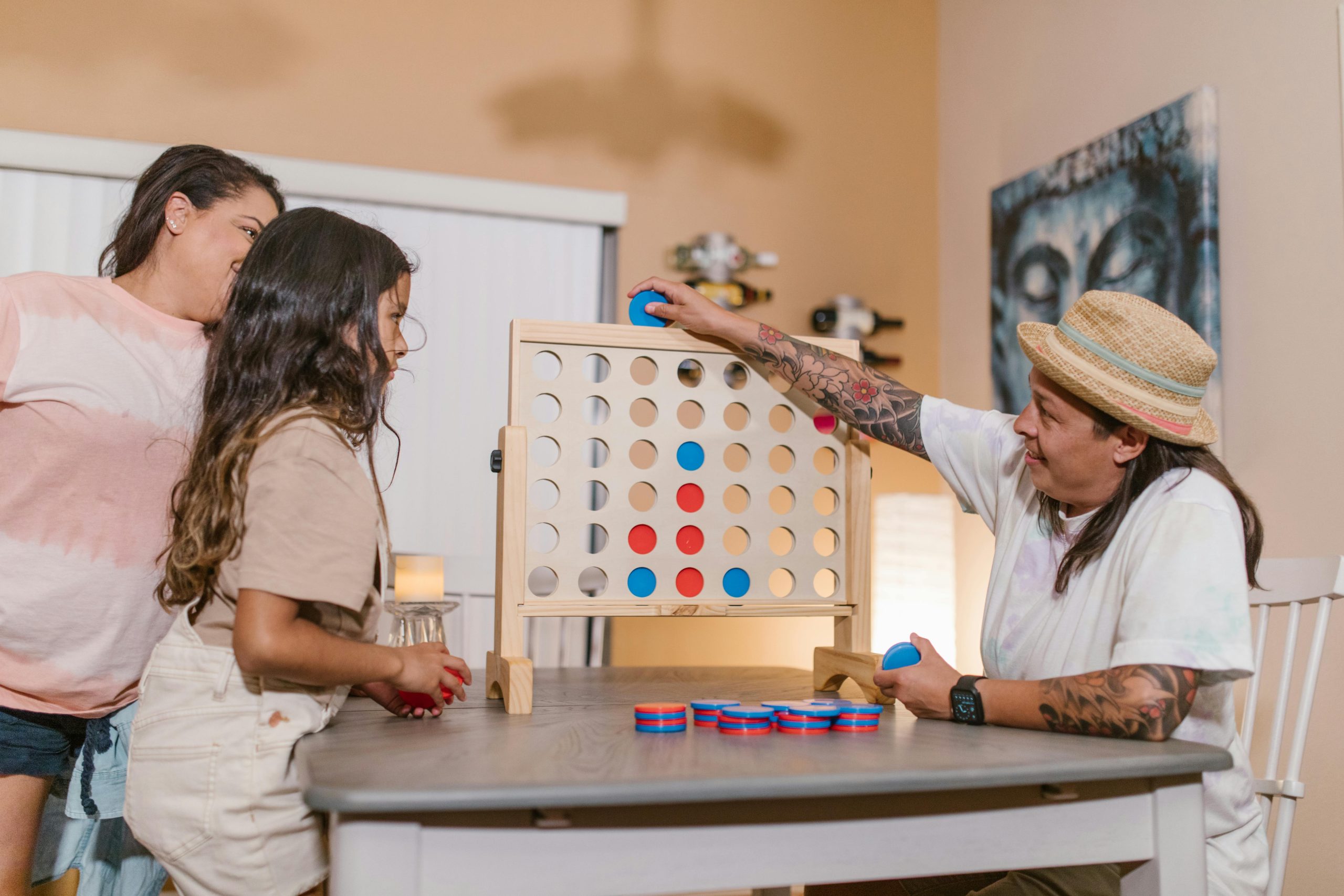
However, gaining their input also adds security, trust, and self-confidence to their process of answering the big life questions they grapple with. When our kids feel a sense of agency over expressing their growing beliefs about self and family, they can experience the freedom to explore and draw from our family culture to inform their identity.
5. Be consistent.
As with many issues we face as parents and caregivers, consistency is vital in creating rituals and traditions that anchor our kids into our family identity. Having events and activities that our kids can look forward to and predict builds their sense of security. They can layer the repeated experiences of shared memories, positive emotions, and trust into their foundation, which equips them to meet their need to belong.
Rituals to Deepen Connection
Our family identity is an evolving, active organism informed by the events we experience and how we manage them. When turmoil arises around us, whether it’s the state of the world or the daily pressures of your fast-paced life, our kids look to us to hold the reins steady. Our intentionality in creating the rituals and traditions that bind us can deepen our connections and equip us to weather the challenges ahead.
Image Credits: Josh Willink (title); RDNE Stock project (2) and (3)
Thank you for the idea. My granddaughter and I always talk about her school day.
I think I will extend that to the whole day. I will have each of us write a little note each evening. We can talk about something we’re grateful for, really enjoyed, or bothered about.
I’m so glad this article resonated with you! Thanks for letting us know.