

Many of our kids who experienced trauma or have a history of prenatal exposure to alcohol and drugs also experience sensory processing challenges. For some kids, this can look like sensory aversions — hating tags on shirts, avoiding certain food textures, or melting down over loud noises. Other kids seek sensory stimulation. They may tap their fingers, bounce a leg, prefer to be plugged in to earbuds all day, or need lots of physical touch to calm down. And some of our kids need or prefer a combination of the two extremes. These sensory processing challenges can impact your child’s quality of life, overwhelm their system, and lead to frequent outbursts or meltdowns.
Why Does Your Child Struggle with Sensory Challenges?
These sensory challenges often stem from how the child’s early experiences shaped their developing brain and nervous system. When a child has been exposed to stress, neglect, trauma, or substances during pregnancy, or they have lived through instability and loss before being adopted or placed in foster or relative care, the parts of the brain that process sensory input can become overly sensitive or under-responsive.
Instead of smoothly sorting and responding to sensations such as sound, light, touch, or movement, the nervous system may remain on “high alert” or struggle to register cues accurately. As a result, ordinary sensations can feel either overwhelming or insufficient to meet the child’s need for comfort or stimulation. These responses make everyday life, learning, and relationships more difficult to navigate.
FREE guide to Understanding Prenatal Exposure to Alcohol and Drugs
5 Tips to Help Your Child Cope with Sensory Processing Challenges
The good news is that you can support your child with practical strategies to cope with these challenges. These tips can help you help them.
1. Adapt your child’s environment to their sensory needs.
Observe and identify your child’s specific sensory issues and consider how to alter their environment where possible. Think about each of their senses.
Sight
What does your common living space feel and look like? Is there too much to look at? Are the colors and décor calming or stimulating? Think about their bedroom – is it meeting their sensory needs?
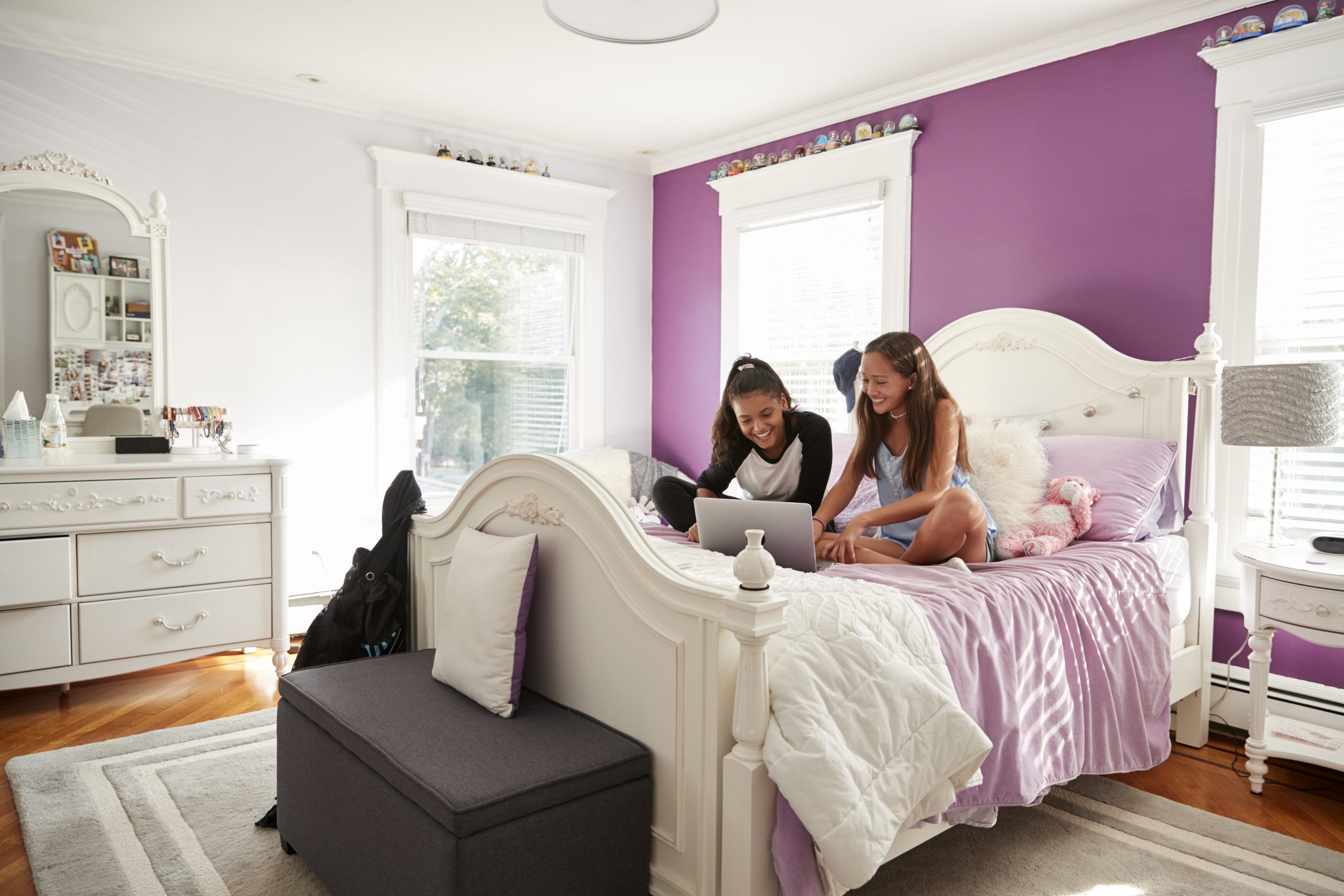
Some families adjust lighting, streamline their décor, and even paint walls to create calmer, soothing spaces where their children don’t have to battle through distractions or visual clutter. While it’s natural to try to make a beautiful, fun, or personalized bedroom, sometimes the décor choices may be overstimulating and stressful for kids with sensory challenges.
Sound
It’s also crucial to consider their hearing. You may need to adjust your home environment to minimize loud noises. And when loud environments can’t be avoided, consider investing in noise-canceling headphones. Of course, prepping your child in advance for events likely to be noisy and overwhelming is a good idea, too.
Taste/Food
Is your child an extremely picky eater? It’s common for kids with other sensory challenges to struggle with food aversions, including the textures, temperatures, smells, tastes, or first (or second) exposures.
Touch/Texture
It’s also common for kids with sensory challenges to be very bothered by textures such as clothing tags, certain fabrics, or room temperature. They may not want to be hugged or touched by others, and they may have an expansive “personal space” preference. However, consider that your child may also have the opposite problem and seek input by moving heavy furniture, touching others, or sitting too close to others.
Learning these and other sensitivities and aversions you observe in your child can equip you to support them appropriately.
2. These challenges apply to infants and toddlers, too!
Even though your baby or toddler cannot yet verbalize their needs and preferences, they may still have sensory challenges. This often makes it difficult to soothe them or get them to fall asleep. Again, consider all of their senses:
- Try massaging your baby in gentle, firm strokes when they are unsettled.
- Consider “kangaroo care,” a method of holding an infant with skin-to-skin contact that’s especially helpful for pre-term babies or prenatally exposed little ones.
- Try using warmed baby wipes when changing diapers.
Encourage self-soothing touch using a soft stuffed animal or blankie when appropriate. - Calm their auditory sense using soft music, nature sounds, white noise, or a fan.
- Calming scents might include a diffuser with lavender or vanilla essential oils (check that these are safe for this child’s use).
- Use an air purifier to eliminate unwanted scents.
Babies and toddlers who experienced prenatal substance exposure often have feeding and eating problems due to their sensory challenges. To change the texture of a bottle nipple, try roughening it with an emery board. Or use a textured spoon for your baby or toddler who is ready to self-feed. Some of these little ones seeking sensory input might benefit from oral therapy tools.
A pediatric occupational therapist can offer additional ideas and treatments to help overcome sensory challenges. Check with your pediatrician for more information and a referral.
3. Overstimulation can often result in dysregulation.
Many of the kids who struggle with sensory challenges also struggle to flow with events and activities outside of your family’s routine. To support yourself and your child, try to plan for changes in routine that you can anticipate – like the holiday choral concert or dinner at Grandma’s with all the cousins. Consider your child’s sensory needs and be proactive in preventing or minimizing the risk of meltdowns.
- Try to keep your child rested and well-hydrated.
- Pack healthy snacks. Foods with protein—like yogurt, cheese, or turkey—or crunchy foods like carrots, crackers, or nuts can help calm or focus the senses.
- Bring crayons and a small coloring book for younger kids.
- For kids who need extra movement or touch, check in often. Offer big hugs, have them push against a wall, carry something heavy, or use a weighted vest or blanket.
- Use screen time wisely to help everyone get through challenging moments.
- Keep an extra comfort item, like their favorite toy, blanket, or T-shirt, just in case.
- For older kids, relax your rules on phones or video games during events that might be stressful or overwhelming.
Sensory toys can be a fun and engaging way to keep your child happy, relaxed, and settled while they learn and are entertained. You can make your own sensory toys with your child or purchase them online. You can also involve your child in prepping a “go bag” of toys and non-perishable snacks for travel or appointments out of the house.
Another suggestion is to practice a few calming techniques (deep breathing, counting, grounding exercises, etc.) at home in moments of peace and regulation. Hence, your child is familiar and prepared to try them when they feel dysregulated.
More resources for Navigating The Holidays
4. Educate yourself and your child to understand and prepare for sensory challenges.
It’s crucial that as your child grows, they learn their story and understand their brain differences. Talk with them in age-appropriate ways about what you observe, how to identify their sensory triggers, aversions, and needs. It is equipping and empowering them to learn about the impacts these issues have on their behavior and relationships.

You can teach them to recognize the signs of rising stress and how to communicate their sensory needs to others. Some kids love the trick of a “secret signal” they can use when they feel like they need a break. And creating a “sensory-rich diet” they can rely on to meet their own needs is beneficial as they gain understanding and reach for independence.
A sensory-rich diet is a plan you create together that includes specific activities to help them regulate and meet their sensory needs. This is another instance in which an occupational therapist is an excellent resource for your family.
5. Communicate with your child’s school.
Just as you should talk with your child about their sensory challenges, consider informing their teachers and other relevant school staff about the issues they are facing. Discuss situations like what will serve your child best when the rest of the class is engaged in an activity that may be overstimulating to their senses? Some schools offer calm-down classrooms or class corners. Others provide alternate activities. And again, the school’s occupational therapist can be an excellent resource for creating strategies and accommodations to help.
It’s Okay to Try and Try Again
Not all kids who’ve experienced trauma, chaos, or had prenatal substance exposure will have these types of sensory challenges. However, for those that do, permit yourself to spend time observing, identifying, and then trying a strategy or two until you find what works for this child at this time. You likely already know that what works right now might not work next month or next year – but that’s okay!
When you’ve invested time in getting to know this child and learning how to meet their needs, you are equipping yourself and this child with the mindset that says, “I’m with you and I’m staying with you until we figure this out.” And that message is more regulating than you can even imagine for a child who feels uncomfortable in their own skin.
Image Credits: joaquincorbalan: https://elements.envato.com/child-trying-to-take-off-his-shirt-and-undress-on--ACY7KVY; monkeybusiness - https://elements.envato.com/two-girlfriends-in-bedroom-sitting-on-bed-using-a--P3VWS57; OaklandImages - https://elements.envato.com/asian-boy-wearing-a-wireless-headphone-and-enjoyin-AKXXXSR
Add Your Comment