
Summer break can be both a blessing and a challenge, especially when you’re a grandparent, aunt, uncle, or another relative raising school-aged children. After months of homework, early mornings, and predictable school routines, kids often look forward to the freedom of summer. But that excitement can wear off quickly. How do you keep grandkids busy during the summer to stave off boredom and the potentially challenging behaviors that come out of boredom?
Practical Tips to Keep Grandkids Busy This Summer
You may hear your granddaughter say, “I’m bored,” one time too many this week. Or you’ve noticed that your nephew is constantly scrolling on his phone, restless and disconnected. Many children who have experienced disruptions, like the loss of a parent or being moved between homes, can struggle with long stretches of unstructured time. But the good news is, with a little planning and intentionality, you can turn summer into a season of growth, connection, and fun.

1. Get Moving
Staying active isn’t just good for the body. It’s also great for mental and emotional health. You don’t need expensive gym memberships or registration at structured day camps. Even 30 minutes of movement a day can lift moods, improve sleep, and help you all feel more connected to each other.
- Take evening walks around the neighborhood. You could keep a few conversation starters in your pocket to get your grandchild to share their day. Some kids will love making up stories as you walk, and “writing” a new chapter on each walk.
- Try a backyard obstacle course using hula hoops, jump ropes, or cones (or whatever’s lying around). If you have tweens or teens in the house, challenge them to make the course for the family to try.
- Teach the kids how to mow the lawn, weed, or water the garden. These chores build strength and teach responsibility. If one of them is particularly interested, give them their own garden plot.
- Bonus Tip: Make it social by inviting cousins or neighbor kids over for a water balloon toss or driveway dance party. Add music, snacks, and laughter and voila! Memories are made, too!
2. Everyone Contributes
Household chores might not be fun or glamorous, but they can be powerful teaching tools. Kids at every age can help around the house and gain a sense of purpose about their place in your family. Learning that everyone contributes is a valuable life lesson for your grandkids’ future. Explain that these tasks are more than chores—they’re acts of love and care that help the whole family thrive.
Even as young as kindergarten, teachers assign classroom jobs because they know it builds responsibility and classroom identity. Maximize their already growing understanding of that by getting them all involved in running your home.
- Have them choose their “specialty.” For example, one child might excel at washing dishes. Another might be a whiz at organizing the pantry. Provide the tools they need to succeed – like stepstools, gloves, or stacking bins for the pantry shelves.
- Cook together. Give the kids a voice in menu planning. This can include finding recipes online or shopping with you. Teaching the kids your family’s specialties might be more memorable than any summer class.
- Include service to others. Organize a “help a neighbor” day week or month. The kids can work together to mow an elderly neighbor’s yard, make a freezer meal for a sick family, or weed the garden for a family that just had a baby.
Teaching your grandkids or nieces and nephews that everyone’s contributions are valuable will build their confidence and competence. This sense of “we’re all in this together” is critical to their growing identity.
3. Connect as a Family
Summer’s slower pace is the perfect time to build relationships. When school’s out, the pressure of early bedtimes and packed schedules eases up, leaving space for simple pleasures. Whether you must still work during the week or are home full-time with these kids, look for ways to build togetherness.
Family dinners:
Sharing meals consistently is an excellent way to reinforce your values and build connectedness. You can put a fun spin on some of the dinners, like Taco Tuesday or Spaghetti Saturday. Make sure you are encouraging a positive tone at the table – with conversation starters like, “Tell me something good” or “My highlight reel today includes…” Consider making a rule of “no screens at supper” to enhance connection.
Movie nights:
Let the kids take turns choosing the film. Make popcorn, pile onto the couch, and just enjoy being together. Younger kids crave the consistency of these types of events.
Creating together:
If your family enjoys creating together, host a “Maker’s Night” where each of you work on a creation like collages, coloring, or writing and illustrating a story. You don’t even need to work on the same project, although it could be fun to take turns trying each other’s skills. These activities help kids feel proud of themselves and connected to each other.
Even the simplest rituals, like Saturday morning pancakes or walking the dog together after dinner, make an impact on these kids’ sense of belonging.
Parenting a Child Exposed to Trauma -a FREE guide
4. Support Emotional & Mental Well-being
Tweens and teens often need more than fun to feel connected and safe. They also need space to process their feelings. Summer is a good time to pay attention to their emotional world, especially if they’ve gone through recent changes like moving into your home, troubled contact with a parent, or significant shifts in their friend groups. You can support their mental and emotional health in a few practical ways.
Check in daily.
Try different times of the day until you figure out which connects best with this young person. Having a “high and low” check-in at bedtime may work, where they tell you the best and most challenging part of their day. Other kids might need morning touchpoints. Still other tweens and teens will appreciate a good back-scratch and open-ended conversation that rambles a bit. It might take trial and error until you and this young person get the right groove.
Create a journal corner.
Provide a notebook, markers, or stickers and let them use it however they like. Drawing, writing, or even doodling helps release emotions across all ages. Model the value by using the corner yourself occasionally.
Try mindfulness.
Invite them to join you for quiet yoga, stretching, breathing exercises, or quiet time with calming music to reduce stress and help them reset. You can also help them set up a space in their room to use whenever they want.
If you see your grandchild struggling more deeply, consider professional help. Many communities offer payments on a sliding scale. You can ask the pediatrician or school district counselors for resources.
5. Explore Your Community
Understanding and forging a connection to your community helps kids understand who they are and where they belong. Start small and local this summer to explore the resources around you. These types of activities expose the kids to the values and diversity in your region. But they also provide additional ways for your grandkids to feel seen and connected.
- Visit local museums, libraries, or cultural centers.
- Attend outdoor concerts, storytelling events, or volunteer opportunities.
- Connect the kids with mentors, such as a neighbor who’s a great cook or a church member who paints.
- Join a local park clean-up, animal shelter fundraiser, or summer music/art/dance/sports camp.
6. Keep Your Grandkids’ Minds Growing
Just because school is out doesn’t mean learning should stop. But it doesn’t have to feel like school. Learning can—and should—be fun.
- Include a weekly trip to the library in your summer routine. Help the kids find what interests them and choose books you can read together, too.
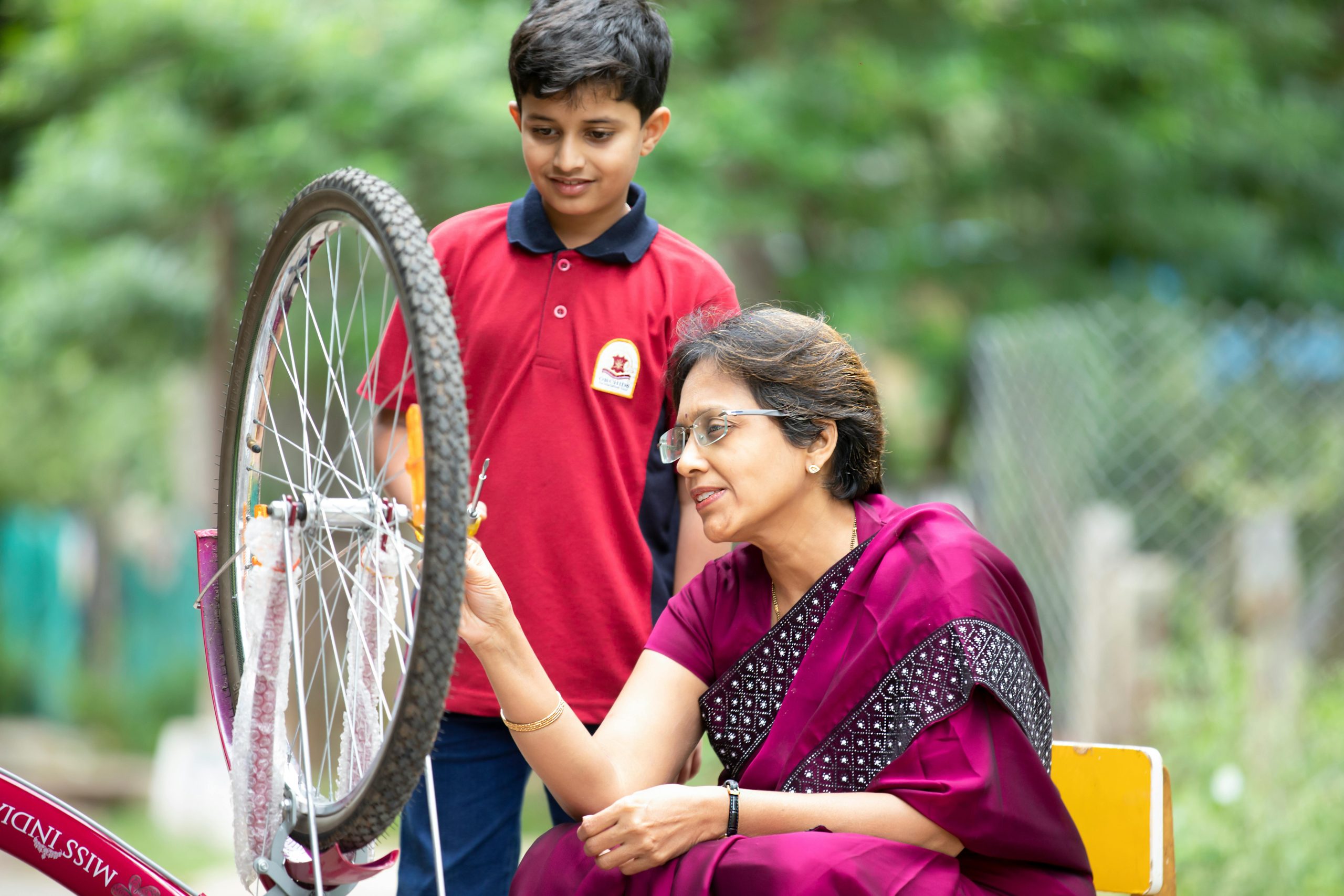
- DIY projects provide significant learning for kids. You can build a birdhouse, try a new recipe, or fix up bikes together. YouTube is a goldmine for how-to videos; you’ll learn together!
- Support the entrepreneurial mind. Help them start a mini business like dog walking or babysitting. It teaches organizational skills, budgeting, and responsibility, and builds confidence.
7. Balance Fun with Rest
Not every moment has to be scheduled. Tweens and teens need downtime to recharge, reflect, and just be. Incorporate fun into a basic routine to encourage balance in your week.
- Let them sleep in occasionally.
- Make space for music, video games, or lounging on the porch.
- Model balance yourself—show them it’s okay to rest and relax.
Invite their input on the weekly schedule. Include blocks of time for chores, fun, learning, and rest. Visual schedules help them understand expectations, predict what comes next, and feel more in control of their days.
Helping Our Kids Regulate Big Emotions – a FREE course
Summer Can Be Meaningful and Memorable
Raising children when you didn’t expect to be doing it at this stage of life is no small task. But summer offers a golden opportunity to deepen your relationship, build their resilience, and plant seeds for their future. You won’t need a big budget or complex plans. Instead, offer your steady presence, intentionality, and a bit of creativity. Your willingness to walk alongside them will make summer meaningful and memorable.
Image Credits:
Title Images - cottonbro studio; RDNE Stock project; Zen Chung
Body of article images - RDNE Stock project; Anil Sharma
Add Your Comment