
Do you ever feel overwhelmed or confused by your adopted, foster, or relative child’s behavior? Do you wonder how to help them stay on task at home and school? It’s common for kids impacted by prenatal substance exposure and trauma to also struggle with challenging behaviors as they are growing up and coming to terms with their identities and history. However, it’s also common for these kids to have brain differences that make it even more challenging to cope with their past and present experiences. One of the more common brain differences adopted, foster, and kinship kids face is attention deficit hyperactivity disorder (ADHD).
What is ADHD?
As commonly discussed as ADHD is in culture these days, it’s surprisingly under- or misunderstood. ADHD is a chronic (meaning ongoing) brain difference that affects an estimated 11% of children aged 5 to 17 years in the US. It’s more common in boys than girls and children of color are more likely to be diagnosed than their white peers.
Understanding the Symptoms of ADHD
There are three main symptoms used to determine an ADHD diagnosis: inattention, hyperactivity, and impulsivity. When you are raising a child diagnosed with ADHD, it’s important to remember that they will not outgrow this brain difference. However, they can grow into a healthy, productive adult with the correct support and tools to help them manage their differences.

Inattention:
- Difficulty paying attention, easily distracted, daydreams
- Appears not to listen
- Quickly goes off task, both for work and play
- Struggles to pay attention to or care about details or mistakes
- Follow-through and completion of tasks are challenging
- Is disorganized (desk, room, workspaces are cluttered)
- Frequently loses important items
- Forgetful or absentminded
- Prefers to avoid ongoing tasks that require sustained effort or attention
Hyperactivity:
- The body and brain seem to run in constant motion
- Difficulty staying seated in class, church, movies, etc.
- Is squirmy, fidgety, or restless
- Talks too much, interrupts, talks over others
- Runs, jumps, and climbs everywhere, even when it’s not appropriate
- Struggles to play quietly – and not even aware of it
Impulsivity:
- Blurts out or speaks without thinking
- Takes off running out into the street or parking lots, mindless of traffic or safety
- Struggles to take turns
- Waiting and understanding the passage of time is challenging
- Calls out answers before the question is complete (in the classroom, for example)
- Interrupts conversations frequently
The doctors and therapists you consult with will use these symptoms and how they combine with your child’s unique experience to diagnose one of three different categories of ADHD. Those three categories are:
- Inattentive only (formerly known as attention-deficit disorder or ADD)
- Hyperactive/impulsive (what most folks historically think of when they think of ADHD)
- Combined inattentive/hyperactive/impulsive
If you are raising a child who exhibits any of the listed symptoms for six months or longer and has not been diagnosed, consider speaking to their pediatrician or school psychiatrist. They can perform diagnostic evaluations to determine a specific diagnosis. Foster parents and kinship caregivers can ask for previous records and the child’s academic history if they suspect the child is undiagnosed or that no efforts to treat the diagnosis have been implemented. Your caseworker can be of help in this scenario.
Understanding Prenatal Exposure to Alcohol and Drugs
Supporting a Child with ADHD at Home
When a child has an ADHD diagnosis, your medical team can advise you about medication, diet changes, and other recommendations they offer patients. It’s a uniquely personal decision to medicate a child with ADHD or not. Educating yourself on the pros and cons of the choice gives you a greater chance for successful management. However, there are practical things you can (and should!) do at home, no matter what the medication decision is.
Set Up a Predictable, Consistent Schedule
Every child in your home will benefit from a routine they can count on. However, a child with ADHD needs this tool to help them stay on track and feel successful. Break up the day into manageable portions and focus on a short list of specific tasks they must accomplish to keep their day on track. For your little ones, use a picture schedule that evolves as they learn how to read. Your older kids might benefit from a checklist or an app on their phone or tablet to help them move through the day.
Start the Day on the Right Foot
For families with school-aged children, the weekday mornings mainly focus on getting everyone up and out the door to work, school, and childcare. You want the mornings to be pleasant, with the kids starting their day with nurture and connection.
To sustain that goal, prepare as much beforehand as possible the night before. You will avoid the panic, rush, and dysregulation of a chaotic morning. Build nighttime planning into your evening routine in some of these ways:
- Pack backpacks and diaper bags after dinner
- Put all the bags, shoes, and coats by the door
- Pack lunches and snacks, and fill water bottles
- Lay out medicines, breakfast bowls, cups, etc.
- Set smart devices or phone alarms to give warnings or time updates
Hold Consistent Time and Space for Homework, Chores, and Bedtime
When setting up your daily routines, include the time and space to accomplish regular daily chores and homework time. It will help to structure homework time in the same space, at the same time, every day. Limit the distractions that would take your child off task and get their buy-in for how their homework space functions.
Choose simple, age-appropriate daily chores that contribute to your home’s general well-being. Being part of the “team” builds connections and helps your child’s brain know where they fit in the scheme of your household. Building that connection also builds trust and safety in your child’s heart.
Try this FREE course on Parenting the Challenging Child!
Prioritize Family Mealtimes
A regular family meal can be a tremendous tool for building connections and strengthening your family as a unit and as individuals. Here are a few basic rules for making your family meals “ADHD-friendly.”
- Turn the television off.
- No phones, iPods, earbuds, tablets, or other devices at the table.
- Come prepared to share.
- No disagreements or problems during the meal.
Try to keep the time around your table pleasant and focused on keeping up with each other’s daily experiences. If your crew is unaccustomed to interacting like this, consider using conversation starters like these. Consider how each family member can contribute to preparations (meal planning, prepping, clean up, etc.) as a tool to maximize the connection and minimize the stress on your shoulders. You will also build a sense of responsibility and family unity when each member contributes.
Family mealtimes can be challenging to coordinate in your family’s busy week, but taking the time together reaps the benefits of consistency, predictability, and connection – not just for your child with ADHD!
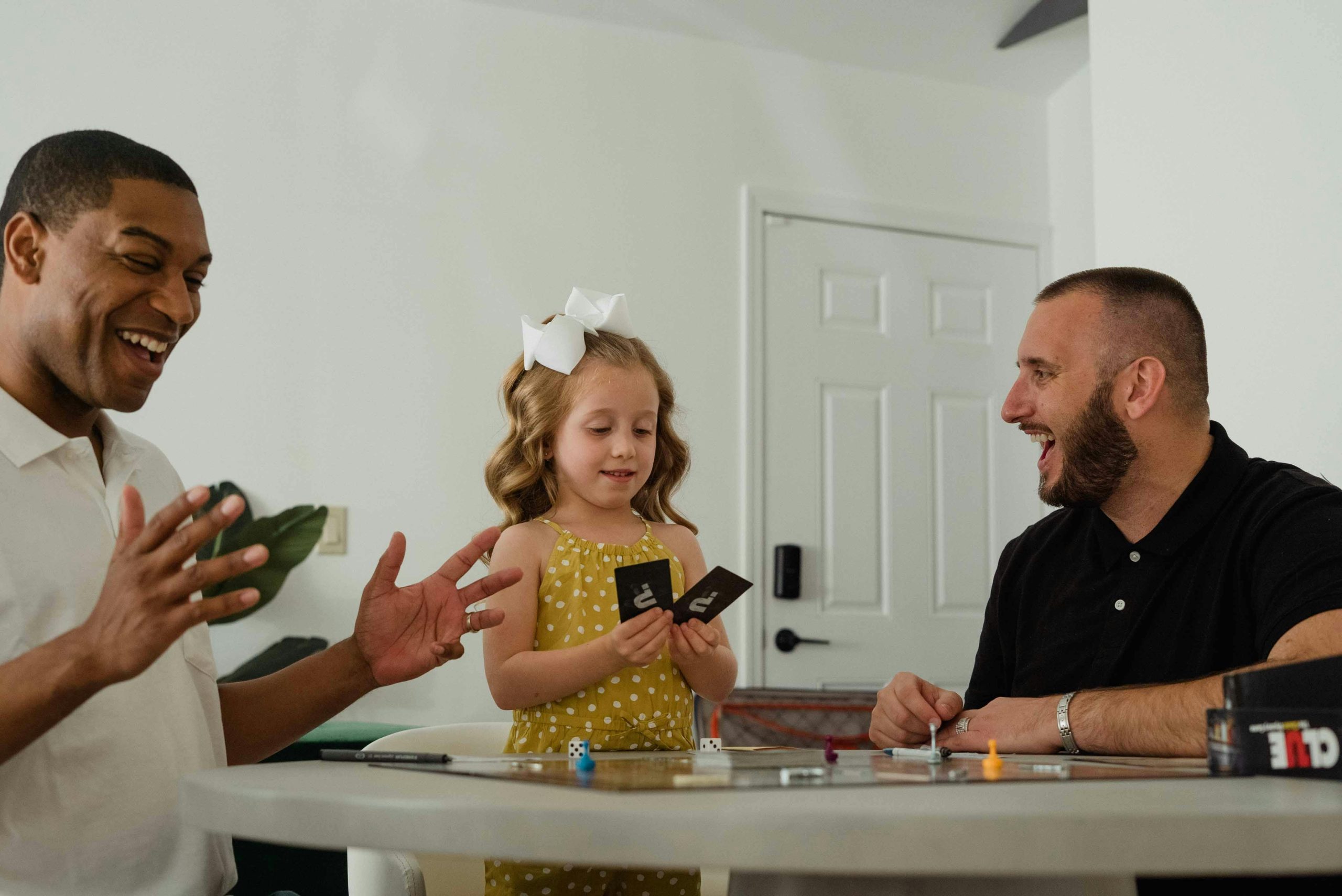
Have Fun Together
Kids with ADHD often feel as if they are “bad” or “difficult” because they struggle with behaviors that may frustrate teachers, parents, and family members. Help your child find their unique strengths and talents – and capitalize on them. Whether joining a community group or cheering on the sidelines of a sports event, they need to know that you enjoy being with them. They will be more open to learning how to self-manage their ADHD challenges when they know you cherish and accept them for who they are.
If you struggle to meet this child where they are, consider what you see them enjoying. How can you join them in that venture? What makes them light up, and when do you see them expressing pure joy? Those are the areas where you can start to connect.
Make Your Home a Safe Space
When you are raising a child with ADHD, it’s easy to feel overwhelmed by their distractibility. It’s a frustrating disorder for parents. However, remember it’s just as frustrating (and maybe even more so?) for your child. They often feel shamed, left out, or chastised for their brain differences and behaviors.
Your goal is to make your home a safe space where they know they can succeed. They deserve to feel proud of themselves and who they are – and you have this precious time with them to do that.
Image Credits: Monstera Production; Karolina Grabowska; Dziana Hasanbekava
Add Your Comment