

Our large community of adoptive and foster parents and relative caregivers includes many wildly wise and experienced folks. Occasionally, we get the privilege of sharing their expertise with you here. Today, we are thrilled to share this guest article by Debbi G.
Debbi brings over 20 years of experience as a special educator, supporting students with a wide range of learning needs. As the parent of a child who experiences school refusal, she offers a unique and compassionate perspective on the emotional and practical challenges families may face. She also provides training for teachers and school staff on inclusion and trauma-informed practices. In addition to her work in education, Debbi facilitates a support group for adoptive and foster parents through CreatingaFamily.org and serves as a volunteer moderator in our online community.
***********************************************************
As an adoptive or foster parent, you will likely face many challenges while supporting your child through life, especially when it comes to school. One issue that can arise, especially for children with complex backgrounds, is school refusal. For adoptive and foster families, this challenge is made more difficult due to past traumas, attachment difficulties, or feelings of insecurity.
What is School Refusal?
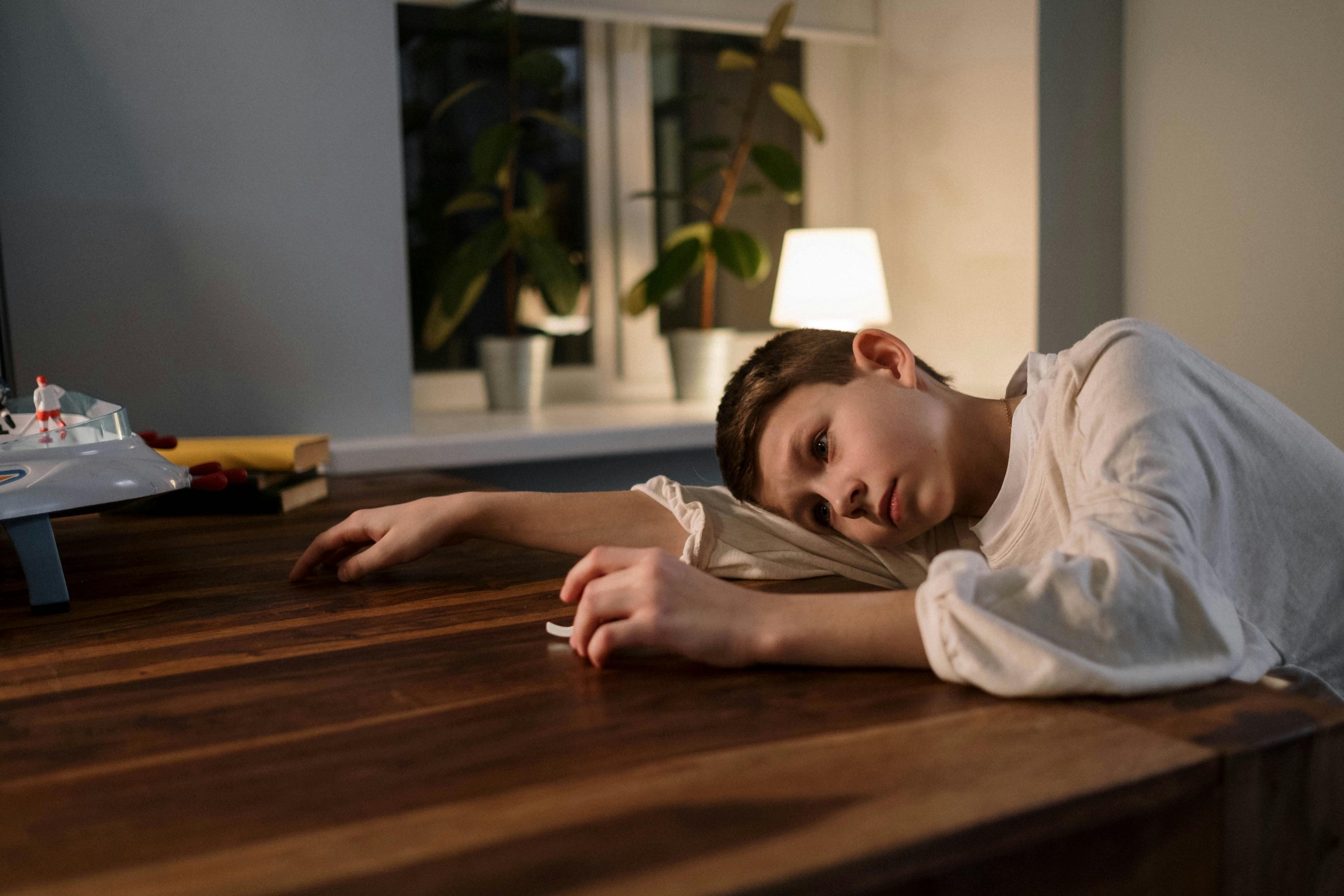
Kids are absent from school for many reasons ranging from sickness to truancy. Most (if not all) of us can remember waking up and not wanting to go to school, maybe even complaining about stomach aches to stay home and watch cartoons. This type of school avoidance is usually short-lived and/or in response to a one-time event, such as a test or fight with a friend.
School refusal, on the other hand, is a behavior pattern where a child experiences very high levels of emotional distress about attending school (Havik & Ingul, 2021). When a child has school refusal, they feel extremely worried about being at school. This isn’t about being rebellious. It’s about feeling really scared or upset (Heynes & Sauter, 2013).
When children exhibit school refusal, they often have long periods of absences that are not hidden from parents (Berg, 2002). The thought of having to attend school results in extreme emotional distress, even when children do not typically have antisocial behaviors. Unlike truancy, which is often a form of rebellion or lack of caring about school, refusal is rooted in emotional struggles and happens despite the efforts of parents to encourage attendance.
Kids who have been adopted or are in foster care might find school extra challenging because of their past experiences. School can feel scary or remind them of times when they didn’t feel safe or when they did not have control over their environment.
Parenting a Child Exposed to Trauma
Signs of School Refusal
While school refusal looks different for every child, there are common signs. Complaints of physical symptoms like headaches or stomach aches before school or refusing to leave home by hiding are two of the most frequently reported. Parents may also observe:
- Crying, tantrums, or withdrawal before school or at bedtime.
- Difficulty falling asleep on school nights, because of anxiety about the next day.
- Refusal to leave home to avoid going to school.
- Clinging to parents at drop-off or refusing to enter the school building.
Parents and relative caregivers may notice that these signs align with attachment struggles or past trauma responses. Addressing the emotional and practical aspects of school refusal is essential.
How to Help Your Child Overcome School Refusal
Supporting your child through school refusal is not about forcing them to go to school. Instead, it means using a gentle approach that helps them work through their fears, while making school attendance part of a normal routine. Here are some strategies that can help:
1. Create a Safe and Supportive Environment
A child refusing school may feel unsafe, anxious, or overwhelmed. Creating an environment where they feel secure and understood can help alleviate some of these fears.
- Validate their emotions: Rather than dismissing their fears, acknowledge them. For example, you can say, “I understand that school feels scary right now. Let’s figure out why together.”
- Be consistent with routines: Predictable morning and bedtime routines offer stability. Knowing what to expect can reduce anxiety.
- Open lines of communication: Ensure your child knows they can come to you with their worries, no matter how small they seem. Foster an atmosphere where sharing feelings is safe and encouraged.
Does Your Child Need Help Re-setting the Alarms in Their Brain?
2. Work with Teachers and School Counselors
Work closely with your child’s teacher or school counselor to create a plan to meet their needs. School staff may provide special accommodations, such as:
- Re-entry plans: If full school days are too overwhelming, you can create a plan where your child attends for shorter periods and gradually builds up to full days.
- Safe spaces at school: Some schools have designated “calm down” rooms or safe spaces where children can go if they feel overwhelmed.
- Buddy systems: Pairing your child with a classmate for support during the school day can help reduce feelings of isolation.
3. Address Underlying Emotional Needs
School refusal behaviors are just the tip of the iceberg. Parents need to understand what is going on beneath the surface. Knowing that school refusal may be tied to deeper emotional struggles, parents should also consider finding a therapist to help address these underlying issues.
4. Reframe School as a Positive Experience
Reframing school as a positive experience can help remove some of the fear and negativity children have about it. You can:
- Talk about the fun aspects of school: Focus on what your child enjoys about school—friends, art class, recess—to remind them that school is not all stress and anxiety.
- Celebrate small wins: If your child attends school for a few hours or makes it to a class they usually avoid, focus on celebrating their success. Positive reinforcement can go a long way in motivating them to keep trying.
Hands-On Activities to Help Your Child
Engaging in hands-on activities can be an excellent way for parents to support their child in overcoming school refusal. These activities can help children build resilience and connection while giving a sense of control over their experiences.
1. Create a Worry Box
A worry box is a simple but powerful tool for helping children work through their anxieties.
- What You Need: A small box, pieces of paper, and markers.
- Activity: Have your child write or draw their worries and place them in the worry box. This helps to “put away” worries instead of carrying them all day.
- Follow-up: You can periodically open the box together to discuss any recurring worries or talk through new strategies to manage them.
2. Emotion Thermometer
An emotion thermometer is a visual tool that helps children identify and express their feelings.
- What You Need: A large piece of paper, markers, and sticky notes.
- Activity: Draw a thermometer with different levels, ranging from calm at the bottom to highly anxious at the top. Ask your child to move a sticky note along the thermometer throughout the day to indicate their emotional state.
- Follow-up: When your child indicates they are feeling anxious (high on the thermometer), discuss ways to bring that feeling down, such as deep breathing, drawing, or talking through their fears.
3. Draw An Anxiety Iceberg

An anxiety iceberg is a way to connect external behaviors with their underlying causes
- What You Need: A large piece of paper and markers.
- Activity: Draw an iceberg-shaped figure on the paper with a water line about a third of the way down from the top. With your child, begin writing or drawing the behaviors you see at the top of the iceberg. Talk about what these behaviors may be hiding and list them under the water line.
- Follow-up: When your child can voice what causes a behavior, discuss positive ways of having their needs met instead, such as finding a trusted adult, taking a time out, or journaling.
4. Role-Playing
Role-playing school scenarios can help children face their fears in a safe and controlled way. This activity is especially helpful for children struggling with specific school-related anxieties (e.g., social anxiety or fear of speaking in class).
- What You Need: A quiet space, some props (optional), and creativity!
- Activity: Take turns acting out different school situations. For example, you can pretend to be a teacher or classmate, and your child can practice how they might respond in situations that make them nervous.
- Follow-up: Encourage your child to share their feelings during the role-play and talk through any difficult moments.
5. Mindfulness and Relaxation Techniques
Mindfulness exercises can teach children to focus on the present moment, which helps reduce anxiety. Try practicing these techniques together:
- Deep Breathing: Teach your child to take slow, deep breaths in through their nose and out through their mouth when they feel anxious.
- Body Scans: Guide your child through a body scan, where they focus on relaxing each part of their body, starting from their toes and moving upward.
- Mindful Observation: Sit outside or by a window and ask your child to observe their surroundings quietly. This helps shift focus away from their anxieties.
Navigating School Refusal with Compassion
Addressing school refusal requires a combination of empathy, structure, and understanding. Adoptees and foster children have unique emotional needs tied to their past, but with patience and consistent support, you can help them build confidence and resilience. Remember, helping your child overcome school refusal takes time and patience. Every small step is a significant victory. You can help your child feel more confident and comfortable at school by showing love, understanding, and support.
References:
- Berg, I. (2002). “School avoidance, school phobia, and truancy,” in Child and adolescent psychiatry: A comprehensive textbook. Editor M. Lewis. 3rd ed. (Philadelphia: Lippincott Williams & Wilkins), 1260–1266
- Havik, T., & Ingul, J. M. (2021). How to understand school refusal. Frontiers in Education, 6. https://doi.org/10.3389/feduc.2021.715177
- Heyne, D., and Sauter, F. (2013). “School refusal,” in The Wiley Blackwell Handbook of the Treatment of Childhood and Adolescent Anxiety. Editors C. Essau, and T. H. Ollendick (New York: John Wiley & Sons), 471–518.
Resources for parents:
Image Credits: RDNE Stock project; cottonbro studio; Vlada Karpovich
These are all fantastic ideas that work to a point. But when from elementary school up bullies win!
We need a system solution to no longer make those who point out the bullies as the weak link that then become the whipping post from all sides! It’s rampant at schools. Kids won’t communicate to their parents, cause they don’t want their parents getting involved and trying to report to staff faculty or even trying to approach the other person‘s parent. That’s being the bully. Because they know that they will be bombarded picked on and tormented for the rest of their school life. However, they’re already being tormented because they go to school every day if you can get them to go to school, knowing that there are a ton of bullies out there that can get away with everything and anything! This is infuriating as a parent and a fellow teacher that subs all over and see it. I really would love support in finding a solution to this craziness, and I’m willing to help teach it at all schools if we find a solution.
Certainly bullying can play a role in a child’s refusal to attend school. And that child deserves to be supported and protected if that is the case.